How to Relieve Sore Legs After Squats
Sore legs after intense squats are common, especially for beginners or after a new workout routine. Proper recovery strategies can reduce delayed onset muscle soreness (DOMS), speed up healing, and improve next‑day performance. This guide outlines practical steps, gear, and routines tailored for American gym-goers seeking effective relief without extended downtime.
Across the routines below, the focus stays on safe movement, targeted massage, and compression as a means to restore muscle function. Readers will find actionable steps that blend basic self-care with affordable tools to support leg recovery.
Quick Answer
How to ease sore legs from squats quickly: gently cycle light activity, apply focused massage, use compression sleeves, and perform a progressive cool‑down stretch routine. Consider a cordless percussion massage gun for leg muscle recovery, a long foam roller for quad and hamstring massage, and compression leg sleeves to support blood flow during and after workouts.
What You’ll Need
- Cordless percussion massage gun for leg muscle recovery
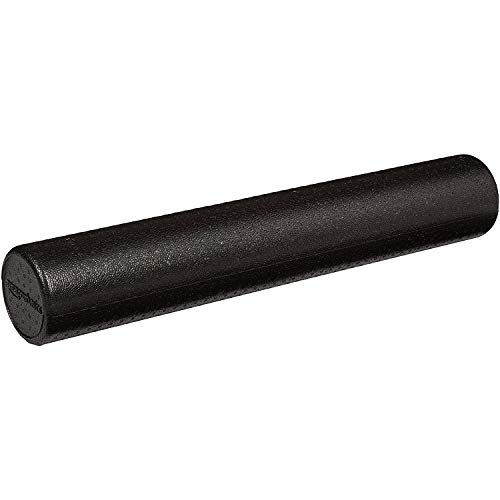
- High-density foam roller long 36 inch for leg quad hamstring massage
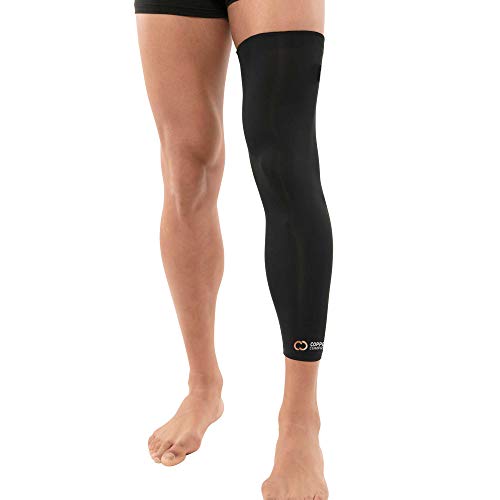
- Compression leg sleeves for recovery after workouts

Before You Start
Before beginning recovery routines, ensure you are hydrated and have eaten a light post‑workout snack. Warm up with a 5–10 minute easy cardio session to maintain blood flow. Safety notes: avoid applying intense pressure on acute injuries, and never use massage devices directly on the spine or joints without guidance. Time estimates: gentle massage 5–10 minutes, rolling 5–15 minutes, and compression wear for the remainder of the day.
Caution: If you experience sharp pain, swelling that worsens, or numbness, stop and consult a medical professional. Persistent soreness after several days may indicate an overtraining issue or improper squat form that should be addressed before continuing.
Step-By-Step: How To Relieve Sore Legs From Squats
- Cool down with light activity for 5–10 minutes to gradually reduce heart rate and encourage blood flow.
- Use a foam roller on quads and hamstrings, rolling slowly for 1–2 minutes per muscle group. Pause on tender spots for 20–30 seconds.
- Apply a cordless percussion massage gun to major leg muscles. Use low to medium intensity and work along the quadriceps, hamstrings, and calves for 1–2 minutes each.
- Re-roll any particularly tight areas after massage to improve tissue elasticity and range of motion.
- Wear compression leg sleeves during light activity through the day to support venous return and reduce swelling.
- Perform gentle assisted stretches: standing quad stretch, hamstring stretch with a slight knee bend, and calves with a wall stretch. Hold each for 20–30 seconds.
- Hydrate adequately and consider a protein-rich snack within an hour of finishing exercise to aid muscle repair.
- Schedule light, non‑impact movements on subsequent days (e.g., walking, cycling) to maintain circulation without overloading recovering muscles.
- Adjust squat volume or technique in the next session if soreness persists beyond 48–72 hours or worsens after workouts.
- Document the sensations and adjust recovery tools or intensity to fit personal tolerance for future workouts.
- Progress gradually by increasing load or depth only after soreness consistently subsides with proper recovery.
- Review squat form with a trainer to minimize strain and improve distribution of effort across leg muscles.
Troubleshooting
| Symptom | Likely Cause | Fix | Prevention |
|---|---|---|---|
| Persistent leg soreness beyond 3 days | Overtraining or poor squat form | Reduce intensity, reassess form, and extend rest | Progress gradually, incorporate deload weeks |
| Bruising or sharp pain with massage | Injury or excessive pressure | Stop massage and seek medical guidance | Use lighter pressure, follow device guidelines |
| Swelling that worsens with compression | Excessive swelling or infection risk | Remove compression and consult a professional | Monitor for changes and maintain hydration |
| Numbness or tingling during rolling | Nerve irritation or pressure points | Reduce intensity and consult clinician if it persists | Limit rolling over nerve paths and adjust technique |
Common Mistakes
- Over‑reliance on massage devices without addressing technique fatigue.
- Rolling over joints or bones instead of muscle tissue.
- Skipping warm‑ups or cool‑downs, which can prolong soreness.
- Aggressive compression or massage that increases pain.
- Pushing through severe soreness, risking injury and longer downtime.
Tips For Best Results
- Schedule recovery sessions within 24 hours after hard squat workouts for best effect.
- Combine rolling with light stretching to improve range of motion and reduce stiffness.
- Keep a consistent routine for the foam roller and massage gun to build tissue tolerance gradually.
- Alternate gear usage: use the foam roller on one day, massage gun on another to prevent overuse.
- Wear compression sleeves during rehab days to support circulation without overheating.
Call A Professional
Seek professional help if soreness does not improve after several days, or if there is swelling, deformity, or severe pain. A physical therapist or sports medicine specialist can assess technique, identify muscle imbalances, and tailor a recovery plan. If you have a preexisting medical condition, consult a clinician before intensive recovery routines or new equipment use.
FAQ
Is soreness after squats normal?
Yes, mild DOMS is common after new or intense squats and typically peaks within 24–72 hours.
Can I use a massage gun every day?
Light daily use is generally safe, but avoid overworking the same muscles and follow device guidelines.
Should I wear compression sleeves during recovery?
Compression can aid circulation and reduce swelling during recovery, especially after intense sessions.
How soon should I stretch after squats?
Gentle stretching after a short cooldown can help maintain flexibility and reduce stiffness.
What if my pain worsens with compression?
Remove compression immediately and consult a professional if symptoms persist.
Is foam rolling safe for beginners?
Yes, start with gentle pressure and short sessions, gradually increasing as tolerance improves.
When should I change squat form to reduce soreness?
If pain indicates improper alignment or range of motion issues, seek coaching and adjust technique promptly.
Buying Guide
Choosing recovery tools for sore legs after squats involves several factors. Consider size, noise level, energy efficiency, and ease of use to fit your routine and space. Evaluate how a cordless percussion massage gun, a 36‑inch foam roller, and compression sleeves complement your workouts and recovery goals. Look for adjustable massage intensity, battery life, and portability for a consistent routine at home or the gym. Placement should be convenient—store tools in a dry, accessible spot near your workout area to encourage daily use. Compatibility with your body type and any medical considerations is also important when selecting gear.
For a balanced approach, many athletes pair a foam roller with a massage gun to target different muscle layers, while compression sleeves can be worn during workouts or recovery periods to support circulation. When comparing options, assess durability, warranty, and customer reviews to ensure long-term reliability. A practical setup includes one durable foam roller, a cordless massage gun with adjustable speed, and a breathable compression sleeve system.
Leave a Reply