How to Clean Aquarium Glass Without Scratching: A Practical Guide
Maintaining a clear, scratch-free view into a home aquarium is essential for both aesthetics and health. With the right tools and technique, you can remove algae and deposits from glass without leaving scratches or streaks. This guide outlines a safe, effective approach tailored for American hobbyists using common cleaning gear.
Quick Answer
Use a two-tool system: a magnetic algae cleaner for glass aquarium for routine cleaning and a plastic blade aquarium glass scraper non-scratch for stubborn spots. Pair these with a soft microfiber cleaning cloth for best results, and work gently with small, overlapping strokes to avoid scratching the surface.
What You’ll Need
- Magnetic algae cleaner for glass aquarium
- Plastic blade aquarium glass scraper non-scratch
- Soft microfiber cleaning cloth for aquarium glass
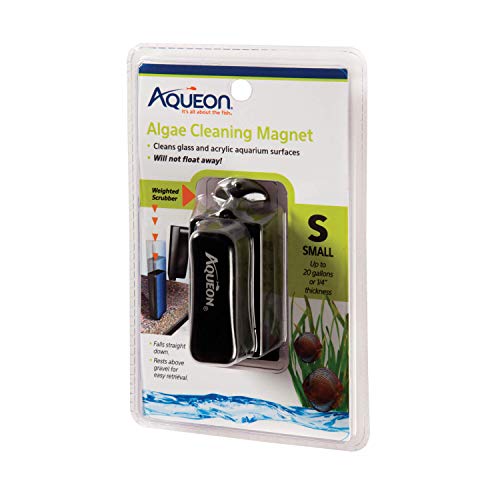

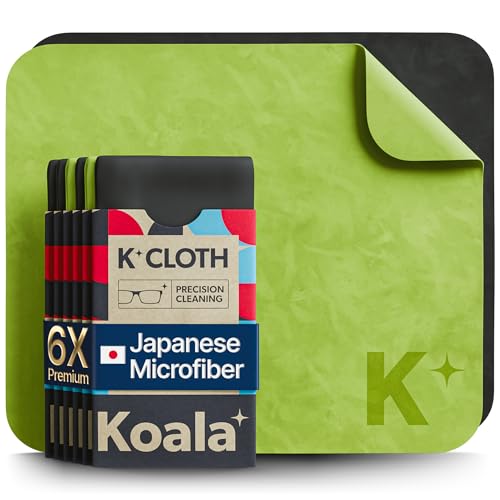
Before You Start
Prepare the tank area and ensure the water is not overly turbid. Protect your hands with gloves if you have sharp edges around the tank. Check that the magnetic cleaner’s inner and outer magnets are clean and aligned, and that the glass is free of deep cracks or chips that could worsen during cleaning. Maintenance should be gentle and gradual to prevent surface damage. Time estimate: 10–20 minutes for routine cleaning; allow additional time for heavy algae buildup.
Step-By-Step: How To Clean Aquarium Glass Without Scratching
- Remove loose debris from the tank rim and glass edges with a soft microfiber cloth to prevent transfer to the main cleaning area.
- Rinse the magnetic cleaner briefly under tap water to remove loose particles that could scratch the glass during operation.
- Separate the outer magnet from the inner magnet and examine both for grit. Clean them if needed, then reassemble.
- Starting at the top inner surface, glide the inner magnet along the glass while the outer magnet follows, ensuring a steady, short-stroke motion.
- With the inner edge near hard-to-reach spots, switch to the plastic blade aquarium glass scraper non-scratch for spots that resist the magnet cleaner. Use light pressure and short pulls.
- Wipe the scraped area with the soft microfiber cloth to remove loosened residue and to prevent streaks.
- Work in small horizontal or vertical sweeps, overlapping each pass to build a uniform clean finish.
- Periodically rinse the microfiber cloth or replace it if it becomes saturated with algae or debris.
- Finish with a final pass of the magnetic cleaner to remove any remaining film and to consolidate a smooth surface.
- Inspect for streaks or leftover algae and repeat the appropriate step only where needed, avoiding excessive scrubbing.
- Clean the tank exterior and the glass edges once more to ensure a crisp, scratch-free result.
Troubleshooting
| Symptom | Likely Cause | Fix | Prevention |
|---|---|---|---|
| Streaks after cleaning | Leftover film or improper cloth drying | Buff with microfiber cloth in a circular motion | Use a fresh microfiber cloth and dry thoroughly |
| Scratches appear | Rubbing with hard grit or dirty scraper | Switch to clean blades and a soft phase; avoid dragging grit | Rinse tools between passes |
| Magnet loses grip or slides oddly | Grease or grit on magnets | Clean magnets and edges before use | Keep magnets dry when not in use |
| Algae returns quickly | High nutrient levels or improper filtration | Address water quality and routine maintenance | Regular water testing and maintenance schedule |
Common Mistakes
- Using metal tools or rough scrapers that scratch glass
- Overloading pressure on the glass during scrapes
- Cleaning dirty tools without rinsing first
- Neglecting to dry the glass after cleaning
Keeping tools clean and using the right technique reduces the risk of scratches and streaks.
Tips For Best Results
- Work when the tank is calm to avoid unsettling the substrate and fish.
- Clean in short, staged sessions to prevent eye fatigue and ensure accuracy.
- Use the magnetic cleaner for routine maintenance and the plastic blade scraper for tough spots only.
- Avoid abrasive cleaners or ammonia-based products on aquarium glass; stick to water and appropriate wipe-downs.
- Regularly replace microfiber cloths to maintain high absorbency and scratch-free cleaning.
Call A Professional
Consider professional help if you notice deep scratches or cracks in the glass, persistent algae that resists standard cleaning, or if the tank requires resealing or substantial maintenance beyond routine cleaning.
FAQ
Can I use household cleaners on aquarium glass?
No. Household cleaners can leave residues that are harmful to fish and corals. Use only water and dedicated glass-cleaning tools or aquarium-safe products.
Will a magnetic cleaner scratch the glass?
When used properly with a clean magnet and glass, the risk is low. Avoid cleaning with grit or dirty blades and use a soft microfiber cloth for finishing touches.
How often should I clean aquarium glass?
Routine cleaning once a week works for most setups, with longer intervals for tanks with low algae growth. Increase frequency if you notice more buildup.
What should I do about stubborn algae spots?
Switch to a plastic blade scraper for those spots and apply lighter pressure, followed by a microfiber wipe for a streak-free finish.
Are there better tools for larger tanks?
Yes. In larger tanks, a high-quality magnetic algae cleaner paired with a long-handled plastic scraper can help reach wider panes with less effort.
Is it safe to clean during feeding times?
Avoid cleaning during feeding to prevent stress to fish and droplets in the water. Clean during calm periods between feedings.
Should I remove fish before cleaning?
Not always required, but if you have a particularly shy or stressed species, consider temporarily relocating sensitive occupants during major cleaning sessions.
Buying Guide
When choosing cleaning tools for aquarium glass, consider size, materials, and compatibility with your tank. A magnetic algae cleaner for glass aquarium offers convenient regular maintenance, while a plastic blade aquarium glass scraper non-scratch handles stubborn spots without risking scratches. A soft microfiber cleaning cloth for aquarium glass provides a gentle touch for the final wipe and to prevent streaks.
Key buying factors include:
- <bSize and reach: Ensure the cleaner fits your tank dimensions, especially for larger or taller tanks.
- <bNozzle and blade design: Plastic blades reduce scratch risk; choose models with removable blades for easy cleaning.
- <bMaterial safety: Use non-abrasive cloths and plastics designed for aquarium use to prevent chemical leaching or rough textures.
- <bEase of use: Lightweight, well-balanced tools reduce fatigue and improve control.
- <bMaintenance and replacement parts: Opt for tools with accessible replacements and simple cleaning routines.
- <bPlacement and ergonomics: Store tools near the tank for quick access and consider magnetic cleaners with smooth magnet action to prevent interior scratches.
For best results, pair the magnetic cleaner with the non-scratch scraper and a dedicated microfiber cloth to cover routine maintenance and spot treatments. If unsure about model compatibility with your tank glass thickness, check the product specifications and user reviews for similar tank setups.
Leave a Reply