How to Clean Inside of Shoes
Keeping the interior of footwear fresh helps prevent odor, extend wear, and maintain foot health. This guide outlines practical steps to clean the inside of sneakers, boots, and casual shoes using common tools and safe practices suitable for American households.
Quick Answer
Quick method: remove insoles, brush any debris, wipe with a mild cleaning solution, dry completely, and deodorize with an activated charcoal insert. Finish with a gentle UV or heat-free dry if available to refresh fabric linings.
What You’ll Need
- Interior shoe cleaning brush set long-handled
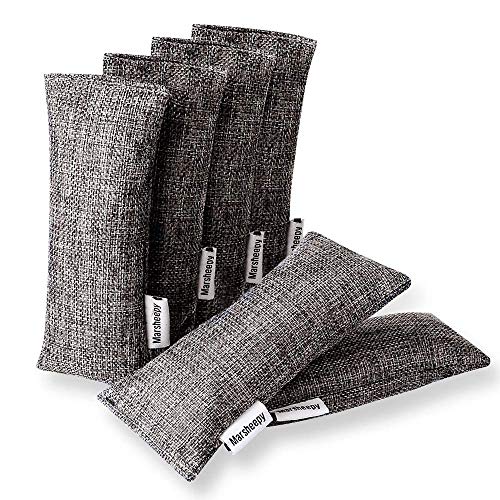
- Shoe deodorizer odor absorber inserts activated charcoal
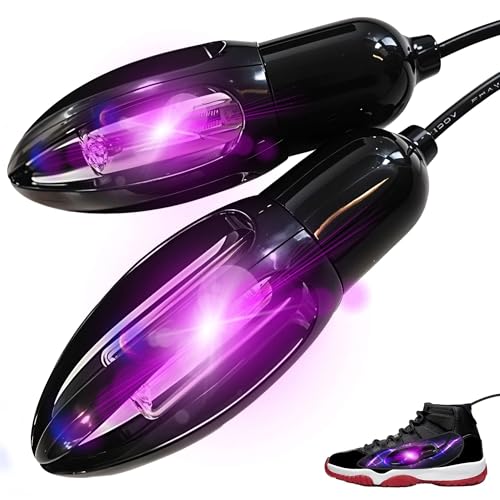
- Electric shoe dryer UV sanitizer for sneakers

Before You Start
Choose a well-ventilated area and remove laces to access the tongue and seams. Check care labels on shoes to avoid damage from water or heat. Avoid soaking leather or suede and test cleaners on a hidden spot first. Allow ample drying time—typically 24 hours for complete moisture evaporation.
Step-By-Step:How To Clean Inside Of Shoes
- Remove all removable parts, like insoles and laces, and set them aside for separate cleaning.
- Lightly brush the interior with the long-handled interior shoe cleaning brush set to loosen dust and dirt from liners and seams.
- Mix a small amount of mild soap with warm water. Dampen a microfiber cloth and wipe the interior, focusing on areas near the forefoot and heel where sweat accumulates.
- Rinse the cloth and wipe again to remove soap residue. For stubborn odors, apply a gentle interior cleaner designed for fabrics.
- Pat interiors dry with a clean towel, then insert an activated charcoal deodorizer insert to neutralize odors.
- Use the electric shoe dryer UV sanitizer for sneakers if provided by the manufacturer, following safety guidelines to avoid overheating or UV exposure to skin.
- Allow shoes to air-dry in a well-ventilated area, away from direct sunlight. If the interior remains damp, place the drying device near the opening to promote airflow.
- Reassemble insoles and laces once completely dry. Regularly replace or refresh deodorizer inserts to maintain freshness.
Troubleshooting
| Symptom | Likely Cause | Fix | Prevention |
|---|---|---|---|
| Persistent odor after cleaning | Insufficient drying or deep fabric odor | Re-clean and extend dry time; use an activated charcoal insert | Regular deodorizing between wears |
| Leather interiors cracking | Excess moisture or harsh cleaners | Limit water exposure; use only leather-safe cleaners | Avoid soaking; use soft cloths for cleaning |
| Residue on fabric | Soap left behind | Wipe with clean water and dry thoroughly | Test cleaner on inconspicuous area first |
| Drying slow | Very thick insoles or poor airflow | Remove insoles; increase air circulation | Place near a fan or use a dedicated dryer |
Common Mistakes
- Over-wetting fabric interiors, which can lead to longer drying times and mold risk.
- Using harsh solvents or high heat that damages materials like leather or suede.
- Forgetting to deodorize after cleaning, allowing odors to linger between wears.
- Cleaning insoles only and neglecting the surrounding liner seams where bacteria hide.
Tips For Best Results
- Clean interiors on a regular schedule, not just when odors become strong.
- Use breathable drying methods; avoid direct sun unless the material tolerates it.
- Pair cleaning with odor-control inserts for continuous freshness.
- Label insoles for easy reassembly and rotation to extend lifespan.
- Store shoes with air circulation to prevent damp conditions that foster bacteria.
Call A Professional
Consider professional help if interiors show persistent staining, mold growth, or material damage like cracking that proper at-home methods cannot restore. Seek a cobbler or shoe care specialist for leather interiors or specialty fabrics.
FAQ
Can I use water-based cleansers on all shoes?
Most fabric interiors tolerate light water-based cleansers, but leather and suede require gentler, brand-specific products.
How often should I deodorize the inside of shoes?
Deodorizing after cleaning and between wears helps maintain freshness and reduces odor buildup.
Is an electric shoe dryer safe for all materials?
Only use the device as directed by the manufacturer; some fabrics may be sensitive to heat or UV exposure.
What if my shoes still smell after washing?
Repeated cleaning and deodorizer inserts usually help; if odor persists, seek professional conditioning or replacement of insoles.
Buying Guide
When choosing gear to keep the inside of shoes clean and fresh, consider several factors:
- Size and compatibility: Ensure tools fit inside different shoe types, from sneakers to boots.
- Noise level and energy use: Consider quiet, energy-efficient options for home use.
- Interior accessibility: Long-handled brushes help reach deep linings without bending or twisting.
- Odor control: Activated charcoal inserts provide ongoing odor management between cleanings.
- Drying and sanitizing: UV or heat-free dryers offer faster interior drying without damaging fabrics.
- Material safety: Choose cleaners and devices compatible with leather, fabric, and synthetics.
- Placement and storage: Keep cleaning tools near entryways or laundry areas for quick access.
Thinking about upgrades or combinations? A practical setup often pairs an interior brush set with odor-absorbing inserts and a compact dryer to maintain interior freshness with minimal effort.
Leave a Reply