How to Get Rid of Snow Efficiently
Snow accumulation can disrupt daily routines, block driveways, and create hazardous surfaces. This guide offers practical, American-friendly methods to remove snow safely and efficiently, using common tools and smart techniques that work on different snow conditions.
The following steps balance speed, safety, and effectiveness, whether you’re dealing with a light dusting or a heavy storm. Readers will learn to assess the situation, choose the right equipment, and apply best practices for clearing snow with minimal effort.
Quick Answer
Best quick methods: For light snow, use a sturdy ergonomic snow shovel steel with aluminum shaft to scoop and throw snow. For deeper or heavier snow, an electric snow blower 18 inch width 120V can clear large areas quickly. For roof or hard-to-reach snow, a telescoping roof snow rake extendable 25 ft helps remove snow safely from gutters and roofs without climbing ladders.
What You’ll Need
- Electric snow blower 18 inch width 120V for mid-sized, dry to damp snow on driveways
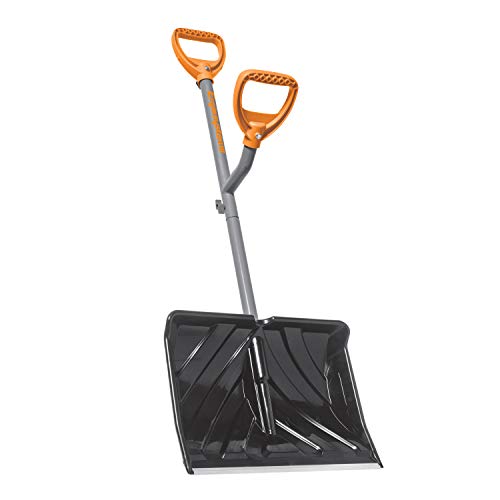
- Ergonomic snow shovel steel with aluminum shaft for quick spot handling and lighter loads
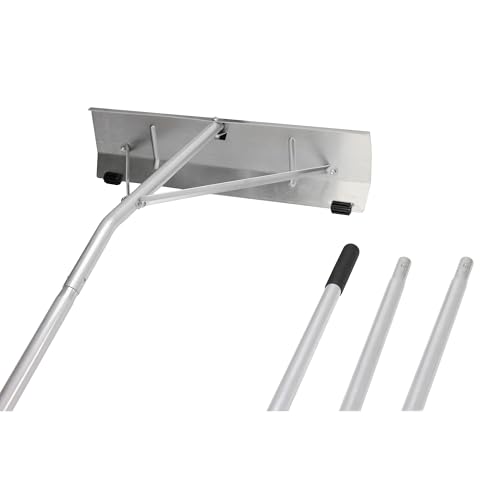
- Telescoping roof snow rake extendable 25 ft to remove accumulation on roofs without climbing
- Safety gear: gloves, boots with good traction, and eye protection

Before You Start
Prepare the area by removing vehicles or furniture from the clearing zone and marking any hidden obstacles. Wear appropriate clothing for warmth and visibility, especially if you’re working near roadways. Estimate the time needed based on storm severity and the total area to clear. Never operate winter tools indoors or on wet, icy pavement. Keep children and pets away from the work zone to avoid injury.
Step-By-Step: How To Get Rid Of Snow
- Assess the snowfall: determine if the snow is light powder or heavy wet; this guides tool choice and technique.
- Clear walkways first: use the ergonomic snow shovel steel with aluminum shaft to create safe paths and then move to driveways or patios.
- Set up the snow blower: if using an electric snow blower 18 inch width 120V, unfold and test the auger and chute before starting on a cleared patch.
- Plan a return route: work in long, straight passes to avoid re-clearing the same snow and minimize fatigue.
- Clearing technique: push with a stable stance, use smooth, overlapping passes, and avoid turning on icy sections to prevent slips.
- Roof snow management: when roof snow accumulates, use the telescoping roof snow rake extendable 25 ft to remove safely from gutters and edges.
- Dealing with ice: if a thin ice layer forms, apply sand or gravel to provide traction after removing the bulk of the snow.
- Edge cleanup: after main clears, go along driveway edges to catch remaining clumps and ensure a neat border.
- Storage: after use, empty the snow blower and wipe down to prevent corrosion; store the shovel and rake in a dry place.
- Accessibility check: verify that all cleared areas are passable for pedestrians and vehicles before resuming normal activities.
- Post-storm inspection: assess for remaining high spots or drifting snow and plan a brief re-clear if necessary.
Troubleshooting
| Symptom | Likely Cause | Fix | Prevention |
|---|---|---|---|
| Snow blower won’t start | Power supply or safety switch issue | Check power cord and reset safety switch; ensure outlet delivers power | Regularly test before storms |
| Blower loses traction or stalls | Overloaded auger or jammed chute | Clear jam, reduce load, and avoid deep, wet snow | Work in sections and clear stubborn pockets gradually |
| Shovel feels heavy | Snow is too wet or compacted | Switch to lighter load with shorter moves; break up clumps | Shovel early during snowfall to prevent hardening |
| Roof rake won’t extend or hold can be dangerous | Locking mechanism or extension wear | Inspect hardware; replace if worn | Use during daylight and in stable weather |
Common Mistakes
- Trying to move heavy, wet snow with a light shovel; switch to ergonomic tools or a blower for easier handling
- Clearing high piles onto already cleared sidewalks; create clear boundaries to avoid tripping hazards
- Starting the blower on a frozen surface; ensure the area is clear of debris and ice
- Overreaching with the roof rake; stay within a comfortable reach and maintain balance
Tips For Best Results
- Shovel intermittently during heavy snowfall to prevent back strain; use proper lifting technique
- Angle the snow to use existing cleared paths, reducing re-clearing time
- Warm up briefly before heavy use and wear footwear with good traction to reduce slips
- Keep a routine maintenance check on the tools, especially the power cord and auger housing
- During storms, prioritize safety over speed; plan work in short sessions if temperatures drop quickly
Call A Professional
Consider contacting a professional if any of the following apply: heavy ice buildup on roofs, inaccessible clearing areas due to structural concerns, or repeated equipment malfunctions despite basic troubleshooting. If you have limited mobility or face ongoing safety hazards when attempting snow removal, professional services may provide safer and faster results.
FAQ
What tools are essential for first-time snow removal?
Begin with a reliable ergonomic snow shovel and a sturdy safety mask; add a roof rake or small blower for larger areas as needed.
How can I remove snow without damaging the roof or gutters?
Use a telescoping roof snow rake extendable 25 ft to reach high areas from the ground and avoid climbing on icy surfaces.
Is an electric snow blower appropriate for all snow types?
Electric blowers work well for dry to moderately wet snow and mid-sized areas; heavy, dense snow may require a larger, gas-powered unit or manual clearing.
What maintenance helps snow tools last longer?
Keep blades sharp, protect moving parts from moisture, and store tools in a dry place after use.
Buying Guide
Choosing the right snow removal setup depends on several factors. Start with the area size and typical snowfall, then consider noise, energy efficiency, and ease of use. The electric snow blower 18 inch width 120V offers quick clearing for driveways without fumes, while the ergonomic snow shovel steel with aluminum shaft remains a reliable backup for quick, small jobs. For roof maintenance, the telescoping roof snow rake extendable 25 ft helps prevent dangerous climbs. Look for adjustable handles, durable materials, and safe storage options. Compare models by width, weight, and maneuverability to match your climate and property layout.
Size matters: select a tool that fits your typical snow depth and the width of your clearing path. Noise levels and energy use are practical considerations for neighborhood use. Controls should be intuitive, with clear start/stop switches and simple chute direction adjustments. Placement matters too: store equipment where it’s dry and accessible, yet out of reach of children. If you live in a multi-story home or where roofs collect heavy snow, invest in a roof rake with extended reach. Finally, assess maintenance needs and warranty coverage to ensure long-term reliability.
Leave a Reply