How to Clean a Garage Floor: A Practical DIY Guide
Garages face heavy use, spills, and tracked-in dirt, making a clean concrete floor essential for safety and aesthetics. This guide walks through simple, effective steps to restore a garage floor using common tools and budget-friendly products. Readers will learn a repeatable routine to remove grime, protect surfaces, and keep the area looking sharp.
By following a structured approach, homeowners can tackle oil and grease stains, dust, and everyday dirt without professional help. The steps prioritize safety, efficiency, and long-term results, balancing quick fixes with durable solutions.
Quick Answer
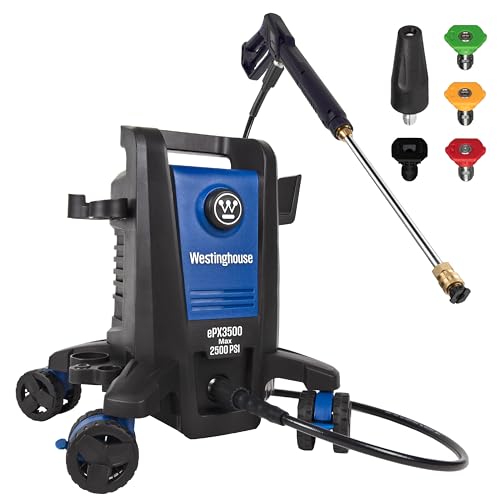
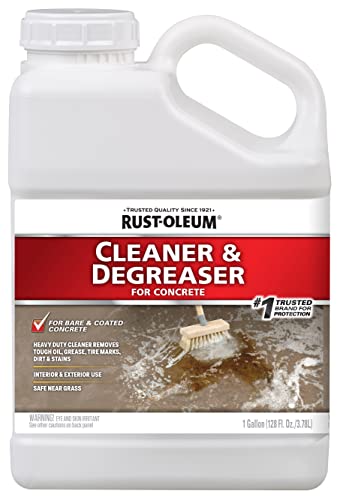
Fast method: Start with a targeted degreaser to break down oils, scrub with a stiff brush, rinse with a hose or pressure washer, and let the floor dry completely. For tougher stains, consider an electric pressure washer for concrete garage floor and an epoxy floor coating kit for garage concrete to seal and protect the surface after cleaning.
What You’ll Need
- Electric pressure washer for concrete garage floor
- Garage floor degreaser concrete cleaner
- Scrub brushes and stiff brooms
- Heavy-duty mop or absorbent pads
- Microfiber towels for moisture control
- Sealant or epoxy floor coating kit for garage concrete (optional for protection)

Before You Start
Prepare the workspace by removing vehicles and items from the garage. Ventilate the area if indoors, and wear protective gloves and eyewear. Test cleaners on a small, inconspicuous area to confirm no staining or discoloration. Time estimates vary: plan 1–3 hours for standard cleaning, longer for large spaces or stubborn stains. Pay attention to drainage and runoff; avoid letting cleaners enter storm drains.
Step-By-Step: How To Clean A Garage Floor
- Clear the floor and sweep away loose dirt, sand, and debris.
- Pre-treat oil or grease spots with degreaser and allow it to dwell per label directions.
- Mix a cleaning solution as directed, or apply the degreaser directly to heavily stained areas.
- Scrub with a stiff brush or deck brush, moving in straight lines to lift grime from the concrete pores.
- Rinse the floor thoroughly using a garden hose or a electric pressure washer for concrete garage floor on a low to medium setting.
- Inspect for remaining stains; repeat degreasing and scrubbing if needed.
- Allow the floor to dry completely, ideally 12–24 hours, before applying any sealant.
- If desired, apply an epoxy floor coating kit for garage concrete following the manufacturer’s instructions for a durable finish.
- Ventilate during drying and avoid heavy traffic until the surface is fully cured if coating was used.
- Perform routine maintenance by sweeping and spot-cleaning stains as they appear to extend the floor’s life.
- Consider periodic reapplication of protective coatings or sealants to maintain sheen and resistance to spills.
- Document any recurring stains to tailor future cleaning or treatment strategies.
Troubleshooting
| Symptom | Likely Cause | Fix | Prevention |
|---|---|---|---|
| Stains persist after cleaning | Deep-set oil or heavy grease | Reapply garage floor degreaser and scrub; repeat rinse | Pre-treat new spills promptly |
| Discoloration after cleaning | Reaction to cleaner or concrete porosity | Rinse thoroughly; test a small area with a milder cleaner | Use pH-balanced products |
| Slippery surface after wash | Residual cleaners or moisture | Rinse with clean water and dry well | Allow full drying time before foot traffic |
| Streaks or dull finish post-clean | Uneven application or dull solvent | Re-wipe with clean pad; ensure even coverage | Consistent technique across sections |
Common Mistakes
- Using hot water on sensitive concrete finishes can damage some coatings.
- Over-wetting the floor can lead to extended drying times and warping of newly applied coatings.
- Skipping a pre-clean step allows grime to smear during scrubbing.
- Neglecting to wear eye protection and gloves increases risk during chemical handling.
Attention to detail minimizes resealing needs and improves results over time. For many homeowners, a combination of degreaser treatment, scrubbing, and thorough rinsing provides a clean baseline before any coating work.
Tips For Best Results
- Work in sections to maintain consistent cleaning quality and drying times.
- For oil-prone garages, repeat degreasing annually or after heavy use seasons.
- Use a garage floor degreaser concrete cleaner designed for concrete to avoid residue buildup.
- If applying an epoxy coating, ensure the floor is completely dry and free of moisture before application.
- Test cleaners on a small patch first to prevent unexpected staining.
Call A Professional
Seek professional help if the floor has severe structural damage, persistent stains after multiple cleaning attempts, or if you plan to apply a complex coating system and want precise surface preparation. Signs that professional help is warranted include efflorescence, deep pitting, or recurring moisture issues beneath the slab. For coating projects, a pro can ensure optimal adhesion and curing conditions.
FAQ
What’s the easiest way to remove oil stains from a concrete garage floor?
Apply a garage floor degreaser concrete cleaner, let it dwell, scrub with a stiff brush, and rinse with a pressure washer or hose.
Can I use a regular household cleaner on a garage floor?
Yes, but choose a cleaner formulated for concrete and follow the label for safe use and rinsing requirements.
Is an epoxy coating worth applying after cleaning?
For high-traffic garages, an epoxy coating can improve durability and cleanliness, but it requires proper surface prep and drying time.
How long does it take for the garage floor to dry after cleaning?
Drying typically takes 12–24 hours, depending on humidity, airflow, and temperature.
Should I seal the floor after cleaning even if I don’t plan to coat it?
Sealing isn’t mandatory, but it can help resist stains and improve cleaning ease over time.
What maintenance routine keeps my garage floor looking clean longer?
Regular sweeping, quick treatment of spills, and periodic reapplication of protective coatings or sealants as needed.
When should I hire a pro for a garage floor project?
If stains persist after multiple cleanings or if you plan a coating project requiring precise prep, a professional option is advisable.
Buying Guide
When choosing products for garage floor cleaning and protection, consider size, noise, energy use, and ease of application. For cleaning power, an electric pressure washer for concrete garage floor offers robust removal of grime, while a garage floor degreaser concrete cleaner targets oil and grease. If you want long-term protection, the epoxy floor coating kit for garage concrete provides a durable, easy-to-clean surface. Look for low-VOC formulas for indoor use and verify compatibility with your concrete porosity. Consider the space size to estimate how much cleaner or coating you’ll need, and check for cure times if you plan to return vehicles soon. Also assess the availability of replacement parts and customer support for coatings and cleaners.
Leave a Reply