How to Keep Birkenstock Footbed Clean
Birkenstock sandals are known for their comfortable fit and long-lasting footbeds. Keeping the cork, suede, and surface materials clean helps extend the life of the footwear and maintain comfort. This guide outlines practical, user-friendly steps to refresh and protect Birkenstock footbeds without damaging materials.
Regular maintenance can prevent buildup of dirt, oils, and sweat. By following a simple routine and using the right tools, you can preserve footbed texture, prevent staining, and keep sandals looking fresh for seasons to come.
Quick Answer
Fast method: Gently brush loose debris, apply a mild cleaner to the footbed surface, scrub with a soft brush, wipe with a microfiber cloth, and air dry away from direct heat. For suede or nubuck areas, use a dedicated suede nubuck cleaning brush to avoid discoloration.
What You’ll Need
- Footbed cleaning brush for sandals
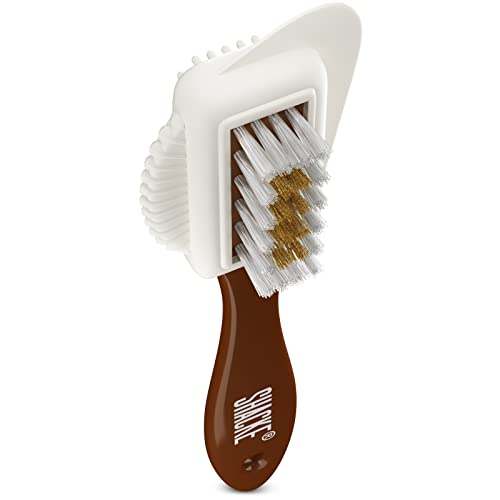
- Suede nubuck cleaning brush for sandals
- Cork sandal cleaning kit with soft brush microfiber cloth


Before You Start
Test any cleaner on a small, inconspicuous area first to ensure no color transfer or damage. For Birkenstock cork footbeds, avoid soaking the footbed and never submerge the sandals in water. Use a light hand with scrubbing and allow ample drying time. Keep out of direct sunlight and away from heat sources while drying.
Time estimate: about 15–30 minutes for cleaning, plus several hours for full drying. If odor or heavy staining persists, plan for a second pass or targeted treatment.
Step-By-Step: How To Clean Birkenstock Footbeds
- Remove loose debris by gently brushing the footbed with a dry footbed cleaning brush for sandals.
- Mix a mild cleaning solution suitable for cork and fabric materials, following product directions.
- Dip a soft brush or microfiber cloth in the solution and gently work across the footbed, focusing on stained areas.
- For suede nubuck areas, switch to a suede nubuck cleaning brush and use light, circular motions to lift dirt without abrading the surface.
- Wipe away suds with a clean, damp microfiber cloth, ensuring all soap residues are removed.
- Pat dry the footbeds with a dry cloth and allow the sandals to air dry away from heat sources.
- Check for remaining stains; repeat the cleaning steps if needed, using less solution on subsequent attempts.
- Apply a light final wipe with a dry cloth and recheck the fit and comfort of the footbeds after drying.
Troubleshooting
| Symptom | Likely Cause | Fix | Prevention |
|---|---|---|---|
| Stains persist after cleaning | Deep-set oils or dye transfer | Spot clean with a slightly stronger concentration on the stain and allow extra drying time | Clean soon after wear and avoid oily residues |
| Discoloration on suede nubuck areas | Rubbing too hard or using incorrect brush | Switch to suede nubuck brush and use gentle motions | Always use the appropriate brush for fabric type |
| Excess moisture left on cork footbed | Over-wetting during cleaning | Wipe thoroughly with a dry cloth and air dry completely | Use minimal liquid and frequent wringing of cloth |
| Footbed cracks after cleaning | Overly dry or harsh cleaners | Cease using harsh cleaners; switch to milder formulas | Test cleaners in inconspicuous areas first |
Common Mistakes
- Using harsh chemical cleaners on cork or suede areas
- Soaking sandals in water or leaving them wet
- Squeezing the footbed dry with excessive force
- Ignoring the different care needs of cork, suede nubuck, and fabric surfaces
Tips For Best Results
- Clean feet and toes before wearing sandals to minimize transfer onto footbeds.
- Establish a regular, light cleaning routine to prevent heavy grime buildup.
- Store sandals in a cool, dry place to maintain footbed integrity between cleanings.
- Use dedicated tools for different materials to avoid cross-contamination and color transfer.
Call A Professional
Consider professional care if footbeds show persistent odor, deep staining, or structural damage to cork or straps. Seek help if there is cracking, heavy deformation, or mold growth, which may require specialized cleaning or restoration services.
FAQ
Can I use soap and water on Birkenstock footbeds?
Yes, but use mild soap and avoid soaking. Rinse lightly and dry promptly to protect cork and suede areas.
How often should I clean Birkenstock footbeds?
Light cleanings after frequent wear or exposure to sweat help maintain footbed quality; deep cleans can be done as needed—typically every few weeks with regular use.
Is it safe to machine wash Birkenstock sandals?
No. Machine washing can damage cork footbeds and suede surfaces; use hand cleaning methods instead.
Which cleaner is best for cork footbeds?
A mild, pH-neutral cleaner designed for cork and fabric surfaces is recommended; avoid solvents that may degrade cork or textile fibers.
Can I restore odor after cleaning?
Yes. After cleaning, allow full drying and consider light deodorizing methods such as air-drying in a ventilated area or using odor-neutral products suitable for footwear.
Buying Guide
Choosing the right cleaning approach for Birkenstock footbeds involves considering size, materials, and care needs. For cork footbeds, selecting a cork-safe cleaning kit with a soft brush and microfiber cloth helps protect the natural material. Suede nubuck areas require a dedicated suede brush to prevent discoloration. When evaluating products, look for non-abrasive brushes and mild cleaners designed for multiple Birkenstock materials. Consider a kit that includes both a soft brush and a microfiber cloth to cover all surfaces.
Size and fit should influence your cleaning workflow: larger pairs may require more space and a longer drying time. Noise level is usually minimal with manual brushes, but choose tools that are comfortable to use. Energy efficiency is not a primary concern for cleaning tasks, but compact, hand-powered tools are convenient for quick cleaning sessions. Placement matters: perform cleaning in a well-ventilated area away from direct heat to avoid damaging cork.
For overall care, have separate brushes for suede nubuck areas and for cork surfaces to prevent cross-contamination. If you frequently wear your Birkenstocks in humid or dusty environments, consider a routine that includes targeted cleaning after exposure, with spot cleaning for quick refreshes between full cleans.
Questions to ask while shopping include: Will the brushes be gentle on suede? Is the kit comprehensive with a microfiber cloth? Do the cleaners specify compatibility with cork and suede materials? A thoughtful purchase supports easier maintenance and longer footbed life.
Leave a Reply