How to Clean a Cast Iron Stove Top
Cleaning a cast iron stove top requires the right approach to preserve its finish and maintain efficient heating. This guide provides step-by-step methods, safe tools, and practical tips tailored for American kitchens and common household cleaning routines.
Quick Answer
Use a soft brush or non-scratch nylon scrub pad to remove loose debris, apply a mild cleaner, then scrub with a gentle motion. For stubborn grime, a stovetop scraper tool can lift burnt-on residues without damaging the surface. Dry thoroughly and re-season if needed to protect against rust.
What You’ll Need
The following tools and materials help you safely clean a cast iron stove top while protecting its finish:
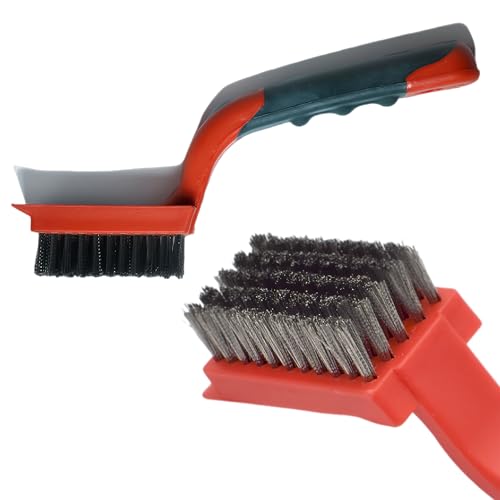
- Cast iron stove top cleaning brush for initial debris removal
- Stovetop scraper tool to lift burnt-on spots
- Non-scratch nylon scrub pad for cast iron stove top for gentle scrubbing
- Mild dish soap or dedicated stove top cleaner
- Warm water and a clean cloth or sponge


Before You Start
Prepare the area by clearing nearby items and ensuring the stove is cool before cleaning. Wear gloves if you have sensitive skin, and test cleaners on a small, inconspicuous area first to avoid discoloration. Time estimate: 10–20 minutes for routine cleaning; 30–45 minutes for heavy grime. Important: avoid abrasive tools that can scratch the enamel or cast iron surface. Always dry the surface completely to prevent rust.
Step-By-Step: How To Clean A Cast Iron Stove Top
- Turn off the stove and let it cool completely before starting.
- Remove loose debris with a cast iron stove top cleaning brush or a soft cloth.
- Gently lift burnt-on residues using the stovetop scraper tool, holding at a shallow angle.
- Apply a small amount of mild cleaner or dish soap with warm water to the surface.
- Scrub in circular motions using a non-scratch nylon scrub pad for cast iron stove top until grime loosens.
- Rinse with clean water and wipe away suds with a damp cloth.
- Dry the surface thoroughly with a clean towel to prevent rust formation.
- If needed, apply a light coating of oil to protect the surface and buff with a soft cloth.
- For stubborn stains, repeat steps 4–7 or switch to a dedicated stove top cleaner designed for enamel surfaces.
- Inspect for any dull spots or rust; address promptly with mild cleaning, then oil if required.
- Reassemble any parts and return cookware to the stove once the surface is fully dry.
Troubleshooting
| Symptom | Likely Cause | Fix | Prevention |
|---|---|---|---|
| Residue remains after cleaning | Heavy burnt-on grime | Use scraper tool more firmly, then scrub with nylon pad | Clean promptly after cooking to avoid buildup |
| Scratches or dull finish | Abrasive tools | Switch to non-scratch pads and avoid metal scrubbers | Use proper tools and gentle motions |
| Rust spots | Water exposure or chipped enamel | Dry thoroughly; apply a thin oil layer; consult a professional if widespread | Dry immediately after cleaning; avoid standing water |
| Discoloration after cleaning | Harsh cleaners | Switch to mild cleaners or enamel-safe formulas | Test cleaners on inconspicuous area first |
Common Mistakes
- Using metal brushes or abrasive pads on enamel surfaces
- Leaving water on the surface for extended periods
- Overly aggressive scrubbing that dulls or scratches finish
- Ignoring cool-down periods before cleaning
Careful technique and the right tools help maintain a clean, even finish without compromising the stove top’s integrity.
Tips For Best Results
- Clean spills as soon as the surface cools to prevent staining and baked-on grime.
- Use a cast iron stove top cleaning brush for quick maintenance around edges and corners.
- For routine upkeep, a quick pass with a non-scratch nylon scrub pad keeps enamel bright without scratches.
- Follow up with a light oil or conditioner to preserve the surface after cleaning.
- Store your stovetop scraper tool in a convenient place for quick cleaning sessions.
Call A Professional
Consider professional help if you notice large rust patches, extensive pitting, or extensive enamel damage that affects performance or safety. If cleaning requires harsh chemicals beyond household cleaners, or if the surface is flaking, stop and seek expert assistance to avoid further damage.
FAQ
Can I use vinegar on a cast iron stove top?
Vinegar can be used in small amounts on some enamel surfaces, but test first and avoid prolonged exposure that can dull or discolor the finish.
Is it safe to use baking soda on cast iron stove tops?
Baking soda is gentle and effective for stubborn spots when mixed with water to form a paste, then rinsed off thoroughly.
How often should I clean my cast iron stove top?
Daily light cleaning after cooking is recommended, with a deeper clean weekly or as needed for buildup.
What should I do after cleaning to protect the surface?
Dry thoroughly and apply a light oil coat to protect against rust and keep the surface looking like new.
Buying Guide
When choosing cleaning tools for a cast iron stove top, consider size, material, and compatibility with enamel finishes. A cast iron stove top cleaning brush should be soft enough to avoid scratches, while a stovetop scraper tool should offer a sharp edge for baked-on grime without damaging the surface. A non-scratch nylon scrub pad for cast iron stove top balances effective cleaning with protection. Look for tools with ergonomic handles for comfortable use and durable construction to withstand regular cleaning cycles.
Other factors to weigh include the stove’s enamel type, whether it’s a flat or coil burner surface, and how easily the area can be reached for scrubbing. For households with frequent spills, invest in a mild cleaner formulated for enamel surfaces to minimize streaking and discoloration. Finally, ensure storage space keeps cleaning tools organized and accessible, so cleanup remains quick and effective.
Leave a Reply