How to Get Rid of Moisture in Your Home
Moisture buildup can lead to mold, musty odors, and warped surfaces. This guide explains practical, American-friendly steps to reduce humidity and keep indoor air comfortable. By combining measurement, passive and active methods, and smart placement of tools, homeowners can curb excess moisture effectively.
Quick Answer
Begin with a reliable dehumidifier, monitor humidity levels with a hygrometer, and deploy desiccants in small spaces. Target damp zones first, run the dehumidifier at high capacity, and maintain relative humidity around 30–50% for comfort and mold prevention.
What You’ll Need
- 50 pint dehumidifier for basement with auto shutoff — strong moisture removal with safety shutoff for unsupervised use
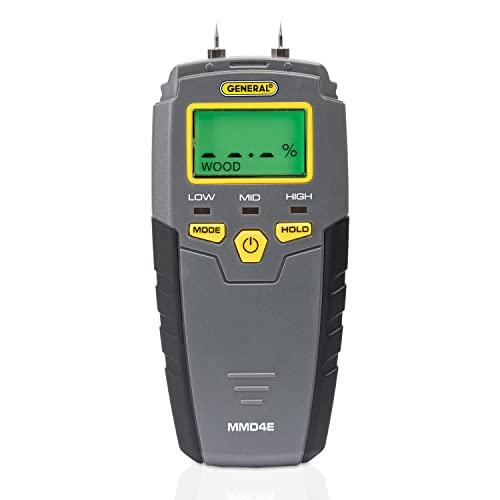
- digital moisture meter for wood and drywall hygrometer — precise readings to identify damp spots
- silica gel desiccant dehumidifier bags closet moisture absorber — quick, portable moisture control in tight spaces

![FURWEY 100g [ 6 Packs] Rechargeable Desiccant Packs for Storage, Color Indicating Silica Gel Desiccant Packets, Moisture absorbers for storage, Dehumidifier bag for Closets](https://m.media-amazon.com/images/I/51+FVaudz3L._SL500_.jpg)
Before You Start
Assess the common damp areas in the home, including basements, laundry rooms, kitchens, and bathrooms. Ensure proper ventilation where possible and seal obvious leaks before starting. Safety first: unplug appliances when not in use during electrical work, and keep dehumidifiers away from water sources. Time estimates vary by space; plan for a few hours of setup and several days of steady operation for best results.
Step-By-Step: How To Get Rid Of Moisture In Your Home
- Place a dehumidifier in the dampest area first, preferably a basement or laundry space, and set it to a target relative humidity of 40–50%.
- Use the digital moisture meter to map moisture intensity on walls and within closets. Note readings to track progress over time.
- Run the dehumidifier continuously for the first 24–48 hours, then monitor readings and adjust as moisture levels drop.
- Move the unit between rooms if multiple spaces are affected, prioritizing areas with visible dampness or musty odors.
- Utilize silica gel desiccant bags in small, enclosed spaces such as closets or cabinets where a full dehumidifier isn’t practical.
- Address hidden moisture by inspecting for leaks in pipes, walls, or roofing. Seal any gaps and fix leaks to prevent ongoing humidity.
- Enhance airflow by using exhaust fans in bathrooms and kitchens, and open interior doors when possible to improve circulation.
- Keep windows slightly ajar or use a vented dehumidifier in poorly ventilated spaces to reduce stagnant air.
- Seasonal maintenance tip: clean and dry the dehumidifier’s reservoir or drain hose, preventing mold growth in the appliance itself.
Troubleshooting
| Symptom | Likely Cause | Fix | Prevention |
|---|---|---|---|
| Humid air persists after running the unit | Insufficient capacity for space | Move to larger area or use a higher-capacity unit | Match dehumidifier size to room square footage |
| Water pooling around the unit | Reservoir full or drainage blocked | Empty reservoir or clear the drain hose | Inspect daily during peak humidity |
| Strong musty odor remains | Hidden mold or moisture behind walls | Investigate with moisture readings and treat affected areas | Improve ventilation and fix leaks |
| Drying timeframe seems long | Lower humidity targets or large space | Increase dehumidification time or add another unit | Use sensors to verify consistent RH |
Common Mistakes
- Setting the humidity target too low can waste energy and lead to dry skin or wood cracks; aim for a comfortable 40–50% RH in living areas.
- Ignoring hidden moisture behind walls or under floors; use moisture meters to locate latent damp zones.
- Relying on single-room dehumidification in a whole-house humidity problem; plan a zoning approach across affected spaces.
- Failing to maintain equipment; regularly clean filters and reservoirs to prevent mold growth in appliances.
Tips For Best Results
- Place the 50 pint dehumidifier for basement with auto shutoff on a level surface, away from walls, to maximize airflow.
- Combine dehumidification with moisture meters to verify progress and adjust settings based on readings.
- Use silica gel desiccant bags in closets and drawers for targeted relief in tight spots.
- Control indoor humidity seasonally by running the dehumidifier during humid months and using exhaust fans after showers.
- Regularly inspect areas prone to moisture, including basements, attics, and crawl spaces, for early signs of dampness.
Call A Professional
Seek professional help if there is persistent dampness despite dehumidification, if you notice structural water intrusion, or if mold growth covers more than a small area (greater than 10 square feet). Signs to contact a pro include musty odors that return quickly after cleaning, wood warping, or visible mold growth on walls or ceilings.
FAQ
What is the ideal humidity level for a home?
Keep relative humidity around 40–50% for comfort and mold prevention in most living spaces.
Can a dehumidifier prevent mold growth?
Yes, by reducing excess moisture it lowers mold growth potential when used correctly with good ventilation.
How often should I drain a dehumidifier?
Check the reservoir daily during high humidity and ensure proper drainage to prevent overflow.
Are silica gel desiccant bags effective for large areas?
They work best in small, enclosed spaces or as supplementary moisture control alongside a dehumidifier.
Buying Guide
Choosing the right moisture control setup depends on space size, noise tolerance, energy use, and placement options. Consider these factors to tailor a solution to a typical American home.
Size and capacity
For basements or large rooms, a high-capacity unit like a 50 pint dehumidifier offers robust moisture removal. For compact closets, silica gel bags provide lightweight support without electricity.
Noise level
Look for models with low decibel ratings if the unit will operate in living areas or bedrooms. Noise can affect comfort and sleep quality.
Energy efficiency
Choose units with energy-star ratings and smart controls to optimize run time and reduce energy consumption.
Controls and display
Digital humidistats and auto shutoff features simplify operation and prevent overflow. A user-friendly interface helps maintain target RH.
Placement considerations
Place dehumidifiers away from walls and ensure adequate airflow. For closets and small spaces, supplement with desiccants rather than relying solely on a machine.
Multi-space strategy
If multiple damp areas exist, create a zoning plan to distribute a dehumidifier’s capacity where it’s most needed and maintain balanced humidity across the home.
Leave a Reply