How to Get Rid of Heat Damaged Hair
Heat damage from styling tools can leave hair dry, brittle, and lacking shine. This guide explains practical steps to repair and protect hair, using common styling tools to support healthier strands while avoiding further damage.
By following a structured routine, individuals can reduce breakage, restore moisture, and regain manageability over time. The focus is on accessible methods that work with typical home routines and everyday products.
Quick Answer
Start with a gentle wash, deep conditioning, and a weekly repair mask. Limit heat exposure, use heat protectants, and choose safer styling tools with temperature control. Gradually reintroduce heat only when hair feels resilient again.
What You’ll Need
- Adjustable temperature ceramic hair dryer
- Professional flat iron with adjustable temperature and ceramic plates
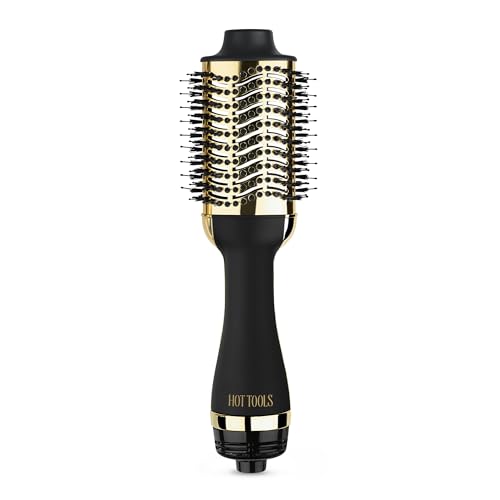
- Hot air brush with temperature control and heat protection


Before You Start
Assess your hair type and current condition. Note that porous or severely damaged hair may require longer recovery time. Always perform a strand test before applying heat or chemical products. Protective measures are essential to prevent further damage.
Surface preparation matters: use a towel to blot excess moisture, detangle gently with a wide-tooth comb, and apply a leave in heat protectant. Time estimates vary by hair length and damage level, typically 20 to 60 minutes for initial repair sessions.
Step-By-Step: How To Rebuild Heat Damaged Hair
- Wash with a sulfate free shampoo to avoid stripping natural oils, then rinse thoroughly.
- Apply a nourishing conditioner focusing on mid lengths to ends, leave for 2–3 minutes, then rinse.
- Use a deep conditioning treatment or mask for 10–20 minutes, once a week to restore moisture and elasticity.
- Apply a heat protection product evenly from roots to tips before any styling.
- When styling, set the adjustable temperature ceramic hair dryer to a low or medium heat, and keep the nozzle moving to avoid concentrated heat.
- For straight styles, use a professional flat iron with adjustable temperature and ceramic plates, starting at a low setting and increasing only if the hair proves resilient.
- When using a hot air brush with temperature control, work in sections and avoid prolonged exposure to a single area.
- Limit daily heat styling and incorporate air drying when possible to minimize damage.
- Finish with a lightweight serum or oil to seal cuticles and add shine without weighing hair down.
- Schedule regular trims to remove split ends and prevent further breakage.
- Review styling habits every few weeks and adjust heat settings based on observed improvements in texture and handleability.
- Monitor scalp health and adjust washing frequency to prevent buildup that can dull hair.
Troubleshooting
| Symptom | Likely Cause | Fix | Prevention |
|---|---|---|---|
| Hair feels dry after styling | Excessive heat or insufficient moisture | Increase conditioning and lower heat | Use regular heat protection and hydrate weekly |
| Frizz and flyaways | Cuticle damage | Apply serum while hair is still warm from styling | Limit heat and use gentle products |
| Loss of shine | Coarse texture or product buildup | Clarify sparingly; refresh with gloss or oil | Balance washing with conditioning |
| Breakage near ends | Over processing or brittle strands | Trim damaged ends and reduce heat usage | Adopt lower heat and deeper conditioning |
Common Mistakes
- Using the hottest setting on tools in one pass
- Skipping heat protection or applying it inconsistently
- Overwashing which strips natural oils
- Ignoring scalp health while focusing on hair ends
Tips For Best Results
- Switch to lower heat whenever possible and increase gradually as hair shows resilience
- Choose tools with ceramic or tourmaline coatings for even heat distribution
- Incorporate weekly masks that focus on repairing cuticle damage
- Rinse with cool water at the end of conditioning to help seal cuticles
- Adjust routine seasonally to account for humidity and dryness
Call A Professional
Seek a stylist if the hair shows extreme breakage, extensive shedding, or persistent scalp irritation. Visit a professional if home care fails to improve texture after several weeks, or if you notice chemical damage alongside heat damage.
FAQ
Can heat damaged hair be repaired at home?
Yes, with consistent moisture restoration, minimal heat exposure, and protective products, hair can regain strength and shine over time.
How often should I deep condition heat damaged hair?
Weekly deep conditioning is a good starting point, or every 7 to 14 days depending on hair’s response.
What heat level is safe for damaged hair?
Low to medium heat is safer; gradually increase only after hair shows resilience.
Do professional tools help in healing heat damage?
Yes, tools with adjustable temperature and ceramic plates allow controlled styling that minimizes further damage.
Is air drying better for heat damaged hair?
Air drying reduces heat exposure and supports moisture retention when possible.
Should I trim damaged ends regularly?
Yes, regular trims help remove breakage and prevent split ends from traveling up the hair shaft.
What should I look for in a heat protecting product?
Choose a product with heat protection markers, moisturizers, and a lightweight feel that won’t weigh hair down.
Buying Guide
When selecting styling tools to support hair recovery, consider size, noise level, energy efficiency, and controls. A compact diffuser or dryer with adjustable heat helps minimize peak temperatures. Look for a professional flat iron with precise temperature control and ceramic plates to reduce hot spots. A hot air brush with temperature control and heat protection can streamline heat free styling, especially for longer sessions. Evaluate placement needs if styling in small spaces or bathrooms with limited outlets. Compare tools based on how evenly they distribute heat, how long they maintain a steady temperature, and how easy they are to maneuver in your typical styling routine. For best results, match tools to your hair type and the current stage of recovery, using low heat as the default and adding protection features to prevent future damage.
Leave a Reply