How to Get Rid of Dandruff in Black Hair
Dandruff can affect anyone, including those with black hair. The key is choosing gentle, effective scalp care that preserves moisture and reduces flakiness without stripping natural oils. This guide provides practical steps, safe tools, and product options tailored for textured and braided hairstyles.
Quick Answer
For fast relief: use a gentle scalp brush to exfoliate and stimulate circulation, pair with a targeted dandruff treatment, and follow a consistent washing routine with a moisturizing conditioner. Avoid harsh detergents and hot water that can irritate the scalp.
What You’ll Need
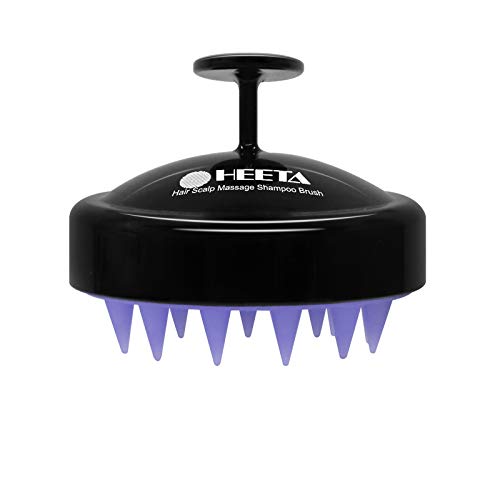
- Scalp massager brush for dry scalp black hair
- Scalp exfoliating brush for textured hair
- Dandruff treatment scalp brush for natural braided hair
- Moisturizing shampoo formulated for dry scalp
- Gentle conditioner or leave-in moisturizer
- Warm-water rinse and a clean towel


Before You Start
Prepare a dedicated washing area and have a timer handy for scalp treatments. Test new products on a small area first to ensure no irritation, especially on textured or braided hair. Work in sections to reach the scalp thoroughly, not just the hair. Expect a routine of 2–3 times per week for the first month to monitor progress.
Step-By-Step: How To Get Rid Of Dandruff In Black Hair
- Wet hair with lukewarm water to avoid scalp irritation and prepare the scalp for cleansing.
- Apply a small amount of moisturizing shampoo and massage it into the scalp using a scalp massager brush for dry scalp black hair for 1–2 minutes.
- Rinse thoroughly, then apply a conditioner focusing on the mid-lengths and ends. Leave for 2–3 minutes.
- Rinse again and gently towel-dry. If hair is braided, avoid tugging at the braids while drying to prevent scalp stress.
- Use a scalp exfoliating brush for textured hair on the scalp in small, circular motions for 1–2 minutes to slough away flaky skin. Do not over-exfoliate.
- Rinse well and apply a dandruff treatment scalp brush for natural braided hair–compatible product or medicated scalp treatment as directed by the label.
- Allow product to sit per instructions, then rinse or leave-in as recommended. Apply a light, non-greasy moisturizer to seal in hydration.
- Protect the scalp at night with a satin or silk cap to minimize moisture loss and friction.
- Repeat the routine 2–3 times weekly, adjusting frequency based on scalp response and hair type.
- Monitor flakes, itching, and residue. If symptoms decrease, transition to a maintenance routine with balanced cleansing and hydration.
- For braided hair, cleanse the scalp gently between styles using a diluted wash or scalp spray to avoid buildup on braids.
- Consider adjusting products if irritation occurs, and consult a professional if flaky skin worsens or persists beyond several weeks.
Troubleshooting
| Symptom | Likely Cause | Fix | Prevention |
|---|---|---|---|
| Persistent flaking after washing | Product buildup or insufficient rinsing | Rinse thoroughly; alternate shampoos | Rinse with cooler water; ensure thorough removal |
| Itchy scalp | Over-washing or harsh ingredients | Switch to a gentle formula; reduce wash frequency | Use fragrance-free products; avoid irritants |
| Dryness around braids | Deep dehydration | Introduce a lightweight leave-in moisturizer | Moisturize regularly; avoid heavy oils on braids |
| Hair feeling stripped after exfoliation | Over-exfoliation | Limit exfoliation to 1–2 times per week | Patch test; follow with conditioner |
| Recurrent itching after months | Underlying scalp condition | Consult a dermatologist or trichologist | Follow medical guidance; avoid DIY remedies that cause irritation |
Common Mistakes
- Over-washing or over-exfoliating, which dries the scalp and worsens flakes
- Using heavy oils or waxes that cause buildup on braids
- Neglecting to rinse products fully, leaving residue on the scalp
- Avoiding protective headwear, leading to friction and itching at night
Tips For Best Results
- Choose a gentle, pH-balanced shampoo compatible with black hair textures.
- Incorporate scalp massages into routine to boost blood flow and product distribution.
- Maintain proper hydration by drinking water and using a light, non-greasy leave-in conditioner.
- Keep braided styles clean by rinsing the scalp between wash days and avoiding heavy products on the braids themselves.
- Rotate products to prevent buildup and monitor how the scalp responds to each formula.
Call A Professional
Seek professional help if signs persist beyond a few weeks, if scalp redness or sores appear, or if flakes are accompanied by hair loss. A dermatologist or licensed trichologist can diagnose dandruff vs. other conditions like seborrheic dermatitis or psoriasis and prescribe targeted treatments.
FAQ
Can I use a scalp brush every day?
Daily brushing can irritate some scalps; start with 2–3 times per week and adjust based on comfort and results.
Will dandruff treatments harm textured or braided hair?
Most are formulated to be safe when used as directed; follow labels and rinse thoroughly to avoid buildup.
Should I shampoo more often if I have braids?
Frequency depends on scalp condition and braid type; dilute washes can help reduce buildup while keeping the scalp clean.
What ingredients help with dandruff on black hair?
Look for salicylic acid, zinc pyrithione, coal tar, or ketoconazole in medicated products, paired with moisturizers to prevent dryness.
Is heat styling affecting dandruff?
Excessive heat can irritate the scalp; use moderate heat and heat protectants to minimize damage.
Buying Guide
Choosing the right tools and products matters for dandruff management on black hair. Consider the following factors to tailor a kit that fits texture, lifestyle, and sensitivity.
Size and Design
Look for compact, ergonomic scalp brushes that reach the crown and hairline without tugging. A comfortable grip reduces fatigue during longer routines.
Noise Level
Some scalp brushes include motorized components. If noise is a concern, opt for manual brushes with soft bristles that still deliver effective exfoliation.
Energy Efficiency
Manual options require no power, while battery-powered brushes should offer low-energy modes and automatic shutoff to conserve batteries.
Controls and Ease Of Use
Simple on/off switches and adjustable brush heads help accommodate different scalp sensitivities and hair textures.
Placement and Storage
Store brushes in a dry, ventilated area to prevent mildew. A hanging loop or compact case helps keep tools organized between uses.
With the right combination of gentle cleansing, targeted scalp care, and protective styling, dandruff management can be effective for black hair. Are you ready to try a routine that respects texture, keeps the scalp balanced, and reduces flakes?
Leave a Reply