How to Clean Stuffed Animals in a Washing Machine
Stuffed animals bring comfort and joy, but keeping them clean can be tricky. A gentle wash can remove dirt, germs, and odors without damaging delicate fabric or stuffing. This practical guide walks American households through a safe, effective machine-washing method that preserves softness and color.
Quick Answer
Use a gentle, cold cycle with a mesh laundry bag, a baby-safe detergent, and a delicate cycle additive if needed. Air dry or tumble on low heat to maintain plush texture and prevent clumping.
A Practical Starter List: What You’ll Need
To clean stuffed animals in a washing machine, assemble these tools and products. This list draws from common consumer gear and safe cleaning agents to minimize risk to fabrics and stuffing.
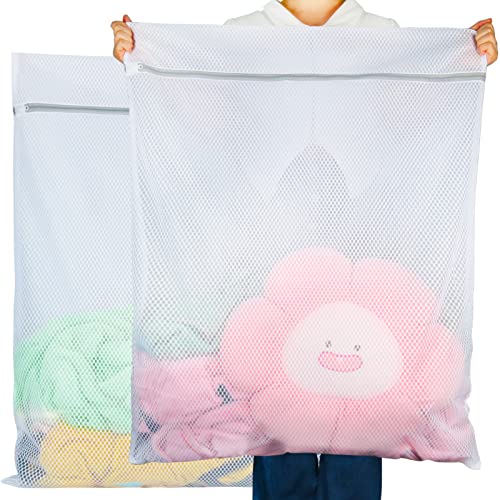
- Mesh laundry bag for stuffed animals plush toys
- Gentle baby-safe detergent for plush toys
- Delicate cycle laundry additive for stuffed animals washing machine
- Old pillowcase or washbag for extra protection
- Soft brush or lint roller for pre-cleaning

Before You Start
Preparation is key to a successful wash. Inspect each stuffed animal for loose stitching, eyes, noses, or embellishments that could loosen in water. Repair or remove fragile parts before washing. Close zippers, Velcro, and detachable accessories to prevent snagging. Use a cold water setting to limit color bleeding, and select a short, gentle spin to minimize stress on the fabric. Always test a hidden seam first to ensure colorfastness.
Time estimates vary by size and soil level, but plan for about 30 to 60 minutes from prep to dry. For heavily soiled plush toys, consider spot pre-treating stains before the machine cycle. Also, ensure the washing machine drum is not overloaded; a crowded load can prevent effective cleaning.
Step-By-Step: How To Clean Stuffed Animals In A Washing Machine
- Sort stuffed animals by color and fabric type to avoid dye transfer. Inspect for damage and repair as needed.
- Place each toy in a mesh laundry bag for controlled agitation and to protect delicate parts.
- Close the bag securely, then add a second bag if washing multiple items to reduce friction.
- Use a gentle, cold water setting and select a short wash cycle. Add a delicate cycle laundry additive for stuffed animals washing machine if your product choice recommends it.
- Pour in gentle baby-safe detergent for plush toys according to the product instructions, avoiding concentrated liquids directly on plush surfaces.
- Run the machine on a gentle cycle and pause mid-cycle if you notice excess agitation; allow a brief soak if needed to loosen dirt.
- After washing, remove toys promptly and reshape noses, ears, and limbs while damp to prevent misshaping during drying.
- Air dry on a flat surface or hang to dry away from direct heat sources. If the label permits, a low-heat tumble dry can be used for a short period, but only with the mesh bag and on the lowest setting.
- Brush the plush surface gently once dry to restore fluff. Use a soft brush or lint roller to remove lint and fibers that clump during drying.
- Check for any remaining odors or stains. Repeat the wash if necessary, using extra care for fragile plush fabrics.
- Inspect stitching and replace any damaged parts. Store clean plush toys in a breathable container to prevent musty smells.
Troubleshooting
| Symptom | Likely Cause | Fix | Prevention |
|---|---|---|---|
| Color bleeding | New dyes released on cold wash | Rewash with color-safe detergent; separate bright colors | Wash new items separately first |
| Thin fabric tears | Overloading or rough agitation | Use smaller loads; switch to gentle cycle | Inspect seams; avoid sharp edges |
| Stiff texture after drying | Overdrying or insufficient softening | Shorten dry time; brush fibers | Air dry whenever possible |
| Misshapen stuffing | Hot air or excessive tumble time | Reshape while damp; use low heat | Avoid high heat and long cycles |
| Residual odor | Insufficient rinsing | Run an extra rinse cycle | Use the recommended detergent amount |
Common Mistakes To Avoid
- Using hot water or high heat on plush fabrics
- Washing heavily soiled items without pre-treating stains
- Overloading the washer or using too much detergent
- Neglecting to secure embellishments or buttons
Following these tips helps maintain the plush’s softness and color while extending its life.
Tips For Best Results
- Choose a dedicated mesh bag for each toy to prevent tangling with other items.
- Pre-treat stubborn stains with a mild stain remover formulated for fabrics safe on plush toys, testing a hidden area first.
- Air drying is generally the safest option; only use a dryer if the care label confirms it’s safe.
- Store cleaned toys in a dry, ventilated space to prevent mildew.
Call A Professional
Consider professional cleaning for items with delicate embellishments, antique or heirloom plush toys, or when the fabric appears delicate, fragile, or labeled “dry clean only.” Seek expert care if stuffing is unevenly distributed, seams are split, or there are persistent odors after multiple washes.
FAQ
Can I wash all stuffed animals in a washing machine?
Most plush toys labeled machine-washable can be cleaned using a gentle cycle with a mesh bag, but always check the care label first.
What detergent should I use for plush toys?
Choose a gentle baby-safe detergent formulated for plush toys to protect fibers and skin, and avoid harsh cleaners.
Is it okay to use a dryer for stuffed animals?
Only if the care label permits it, and usually on a low heat setting inside a mesh bag to prevent damage.
How can I prevent color transfer?
Wash colorful items separately and use cold water. If unsure, test a small hidden area before washing the entire toy.
How long should toys dry after washing?
Drying times vary by size and material, but allow several hours to overnight for air drying to maintain fluff and shape.
Buying Guide
When selecting gear for washing stuffed animals, consider several factors to ensure effective cleaning and preservation of plush toys:
- Size and load capacity: Smaller toys wash well in mesh bags; oversized items may require hand washing or separate care.
- Noise level and energy use: Choose efficient, quiet machines with gentle cycles to minimize disruption.
- Energy efficiency: Look for machines with low energy and water usage; energy-star-rated appliances save resources over time.
- Controls: Simple, clearly labeled settings help avoid mistakes; avoid complex cycles for plush fabrics.
- Placement and storage: Ensure a stable location for washing and drying; keep plush toys away from heat sources during drying to prevent damage.
For the core cleaning workflow, the recommended setup centers on a mesh laundry bag for stuffed animals plush toys, a gentle baby-safe detergent for plush toys, and a delicate cycle laundry additive for stuffed animals washing machine. These components work together to deliver safe, effective cleaning without compromising softness or color. If deciding between models or brands, prioritize clear care guidelines, gentle drum action, and reliable filtration to minimize shedding and lint.
Leave a Reply