How to Clean Stove Fan Filters
The stove fan filters, often part of a range hood, trap grease and dust to keep kitchen air cleaner. Regular cleaning improves ventilation, reduces fire risk, and helps maintain the hood’s appearance. This guide provides a practical, step-by-step approach using common tools to restore filter efficiency without damaging components.
Quick Answer
Detach the grease filters, clean with warm soapy water, scrub with a brush, rinse, dry completely, and reinstall. For stubborn grime, use a dedicated brush kit or sponge designed for range hoods, then recheck airflow after a test run.
What You’ll Need
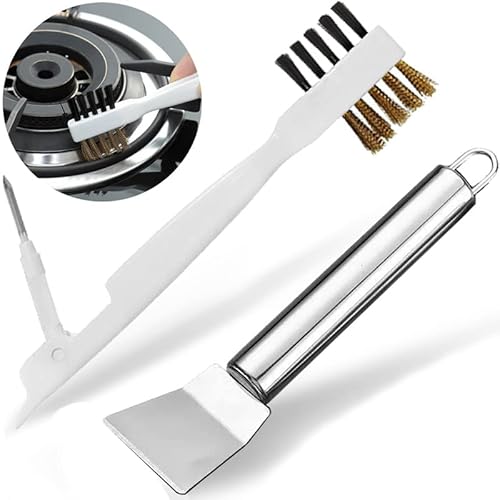
- Range hood filter cleaning brush kit
- Stainless steel range hood vent cleaning brush
- Grease filter scrub sponge for range hood
- Non-abrasive dish soap
- Warm water
- Soft cloths or towels
- Rubber gloves (optional)
- Bucket or basin for soaking


Before You Start
Turn off the hood and ensure the fan is cool before handling filters. Remove filters according to your model’s manual and handle them gently to avoid bending. Soak filters in warm, soapy water to loosen grease; avoid harsh chemicals that can corrode metal. Safety note: wear gloves to protect skin from hot water and grease. Plan a cleaning session when the kitchen isn’t in heavy use, as drying time may take 30–60 minutes depending on filter material.
Step-By-Step: How To Clean Stove Fan Filters
- Turn off the range hood and unplug nearby appliances if possible to avoid any electrical risk.
- Remove the grease filters from the hood, noting how they sit so you can reinstall them correctly.
- Rinse filters under warm running water to remove loose debris.
- Fill a basin with warm water and a few squirts of dish soap; place filters in the soapy solution to soak for 10–15 minutes.
- Use a grease filter scrub sponge for range hood or the range hood filter cleaning brush kit to gently scrub both sides of each filter, paying attention to creases and corners.
- For stubborn grease, re-soak for an additional 5–10 minutes, then scrub again with the brush kit.
- Rinse filters thoroughly under warm water until all soap and grease are removed.
- Shake off excess water and lay filters on a clean towel to air-dry completely, or use a lint-free cloth to speed drying.
- Reinstall filters once fully dry. Wipe the exterior of the hood to remove any splashes from cleaning.
- Run the hood on high for a few minutes to verify airflow is restored and there are no unusual noises.
- Schedule routine cleanings every 1–3 months depending on cooking frequency and grease buildup.
Troubleshooting
| Symptom | Likely Cause | Fix | Prevention |
|---|---|---|---|
| Weak airflow after cleaning | Filters not fully dry or reinstalled incorrectly | Recheck fit, ensure completely dry | Dry filters thoroughly; follow manufacturer guidance for placement |
| Excessive steam or odor lingering | Grease buildup remains on filters | Repeat soak and scrub, use brush kit | Clean on a regular schedule |
| Hood or fan making rattling noises | Filters or internal parts misaligned | Inspect alignment, reseat filters | Handle components gently |
| Filters damaged or warped | Excessive force during cleaning | Replace filters per model; avoid aggressive scrubbing | Use proper tools and soft brushes |
Common Mistakes
- Using hot water that’s too hot as it may warp some metal filters
- Scrubbing with rough pads that scratch finishes
- Forgetting to dry filters completely before reinstalling
- Neglecting to disconnect power or to read the hood’s manual for specific filter care
Tips For Best Results
- Soak greasy filters regularly to prevent stubborn buildup
- Coordinate cleaning with a maintenance schedule to maintain airflow
- Keep a dedicated sponge and brush kit just for hood filters to avoid cross-contamination
- Wipe the interior of the hood once filters are removed to remove splatters
- If filters are very large, consider cleaning in a bathtub or outdoor basin to contain splashes
Call A Professional
Call a professional if the hood is still not venting properly after cleaning, the filters show corrosion or warping, there are persistent unusual noises, or if the electrical components appear damaged. Also, seek help if you notice lingering fumes, smoke, or a strong burning odor during operation, which may indicate broader range hood or duct issues.
FAQ
Can I clean range hood filters in a dishwasher?
Only if the manufacturer explicitly allows it; many metal filters are dishwasher safe, but plastics or coated filters may not be. Always check your manual before placing filters in a dishwasher.
How often should I clean stove fan filters?
Most households benefit from a cleaning every 1–3 months, depending on cooking frequency and grease levels. High-grease cooking may require more frequent cleaning.
What if my filters don’t fit after cleaning?
Ensure filters are completely dry and reinstall in their original orientation. Warping or improper seating can affect fit and airflow.
Are there safer cleaning alternatives for stubborn grease?
Yes, warm soapy water with a soft scrub brush is effective; avoid highly abrasive cleaners unless the manufacturer approves them.
Should I clean the vent or duct parts?
Yes, periodically inspect the vent and ducting for buildup and call a professional if you notice restricted airflow beyond the filters.
Buying Guide
When choosing tools for cleaning stove fan filters, consider size and compatibility with your hood, the material of the filters (metal vs. plastic), and how aggressive the cleaning needs to be. Look for a range hood filter cleaning brush kit with a variety of brush shapes to reach tight corners, and a stainless steel range hood vent cleaning brush designed for durable use. A grease filter scrub sponge for range hood should be non-abrasive and heat-resistant. For frequent cleanup, investing in a complete kit can simplify maintenance and extend hood life.
Other factors include noise level when testing airflow after cleaning, energy efficiency of the hood (though not directly affected by filter cleaning), and placement in the kitchen. Choose tools that feel comfortable in hand and are easy to store near the cleaning area. If you cook heavily or have a small kitchen, consider more robust tools that can handle thicker grease without damaging filters.
Leave a Reply