How to Get Rid of Bloating After Workout: Practical, Reader-Friendly Guide
Muscle group workouts and intense cardio can leave many people feeling bloated and uncomfortable after exercise. This guide provides practical steps to reduce abdominal bloating, improve comfort, and get back to your routine quickly. The advice focuses on simple, actionable strategies that fit a typical American home gym or gym bag setup.
By combining gentle movement, targeted tools, and mindful habits, you can minimize post-workout abdominal puffiness while supporting digestion and core recovery. The aim is to restore a flat, comfortable abdomen without disrupting your training schedule.
Quick Answer
Short version: Hydrate, choose low-sodium meals, and move gently to encourage gas release. Use light abdominal massage or a foam roller for targeted relief, and consider a post workout stomach compression wrap for gentle support. Listen to your body and adjust intensity if discomfort continues.
What You’ll Need
- Abdominal massage tool for bloating after workout
- Post workout stomach compression wrap
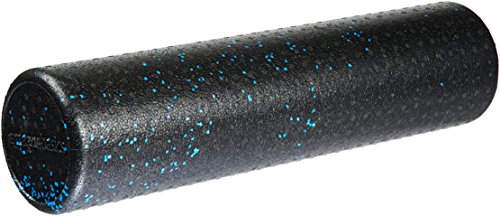
- Foam roller for core and abdominal relief after exercise
- Water bottle or electrolyte drink
- Light, easily digestible snack (if needed)
- Comfortable workout clothes and a mat


Before You Start
Before applying any relief technique, ensure you are in a safe, comfortable space. Warm up gently after exercise rather than using sudden, intense pressure. Start with 5–10 minutes of light activity like walking to encourage natural gas movement and reduce stiffness. Time estimates vary, but you can typically see results within 20–40 minutes of applying gentle methods. If you ever experience severe stomach pain, vomiting, or distress, stop and seek medical advice.
Step-By-Step: How To Get Rid Of Bloating After Workout
- Hydrate with small sips of water or an electrolyte drink to restore fluids and support digestion.
- Engage in light movement: a 5–10 minute walk or gentle dynamic stretching to encourage gas release and reduce stiffness.
- Use the abdominal massage tool for bloating after workout with slow, circular motions along the midline and outward toward the abdomen to stimulate peristalsis.
- Apply the foam roller for core and abdominal relief after exercise along the sides of the torso and across the lower abdomen to ease tension and help with lymphatic flow.
- Try a gentle massage sequence: start below the ribs, move to the navel, and finish at the hips, repeating 5–8 times on each side.
- Experiment with a light post workout stomach compression wrap around the midsection to provide gentle support while you move and digest. Remove or loosen if you feel constricted or uncomfortable.
- Take a short, easy walk after applying these techniques to keep the digestive system active and prevent rebound bloating.
- Choose a low-sodium, easy-to-digest meal or snack when hunger returns, such as a small banana, yogurt, or toast with a light spread, to avoid triggering further bloating.
- If bloating persists beyond a few hours or is accompanied by severe symptoms, reassess your post-workout nutrition and timing, and consider consulting a clinician for individualized guidance.
- Document what works: note which tools, movements, and foods help most so you can refine your routine for future workouts.
- Finish with gentle breathing exercises (diaphragmatic breathing) to relax the abdominal wall and support nausea-free recovery.
Troubleshooting
| Symptom | Likely Cause | Fix | Prevention |
|---|---|---|---|
| Persistent bloating after all steps | Gas buildup or food intolerance | Try smaller, more frequent meals; consider eliminating trigger foods | Plan meals 1–2 hours before workouts |
| Stomach feels tight or sore with compression | Wrap too tight or prolonged wear | Loosen or remove wrap; limit use to 15–30 minutes | Progress to looser, breathable wraps |
| Discomfort with massage tools | Sensitivity or incorrect technique | Use lighter pressure; follow product guidelines | Consult a professional for proper technique |
| Rebound bloating after relief techniques | Hypersensitive gut or timing issues | Adjust timing between meals and workouts; reduce fiber right after exercise | Keep a log of timing and symptoms |
Common Mistakes
- Overusing massage tools or applying excessive pressure, which can irritate the abdomen.
- Relying on one method instead of combining gentle movement, hydration, and nutrition.
- Using a compression wrap for too long or too tightly, which can impair circulation or cause discomfort.
- Ignoring sleep and stress management, both of which influence digestion.
Tips For Best Results
- Pair post-workout recovery with a brief walk to encourage natural digestion.
- Stay consistently hydrated throughout the day, not just around workouts.
- Keep meals balanced with a mix of easily digestible carbohydrates, lean protein, and healthy fats.
- Rotate tools to avoid over-reliance on a single method; listen to your body.
- Track the timing of workouts, meals, and symptoms to identify patterns.
Call A Professional
Consider consulting a healthcare professional if you notice:
- Severe or chronic bloating that lasts several days or interferes with daily activities
- Severe abdominal pain, vomiting, or signs of dehydration
- Unexplained weight loss, blood in stool, or persistent digestive issues
Professional guidance can tailor strategies to your body, ensuring safe and effective relief.
FAQ
Can I use a foam roller immediately after exercise for bloating?
Yes, a foam roller can help relieve abdominal tension and support digestion when used gently and correctly.
Will a compression wrap reduce bloating long-term?
Compression wraps provide temporary support and comfort; they do not eliminate the underlying cause of bloating but can help with immediate relief when used properly.
What foods should I avoid after workouts to prevent bloating?
High-sodium, gas-forming, or very fatty meals may worsen bloating; opt for easy-to-digest options and moderate portions.
Is bloating after a workout normal?
Mlight post-workout bloating can be common due to dehydration, salt intake, and gut movement. If it’s persistent or severe, seek professional advice.
How soon after exercise should I start relief techniques?
Begin with gentle movement and light hydration within 15–30 minutes after finishing exercise for best results.
Are there risks with abdominal massage tools?
When used with light pressure and proper technique, risks are minimal. Avoid tools if you have abdominal injuries or skin conditions in the area.
Can I continue workouts while dealing with bloating?
Light activity is generally fine, but avoid strenuous or high-intensity workouts if bloating is severe or painful.
Buying Guide
Choosing the right tools and setup can make a noticeable difference in post-workout bloating relief. Consider these factors when shopping:
- Size and adjustability: Foam rollers and massage tools come in various densities and lengths. A moderate-density roller with a comfortable grip works well for most users.
- Noise level: Some massage devices or wraps may emit noise or create vibration. Look for quiet options if you train in shared spaces.
- Energy efficiency: Not typically a concern for manual tools; if you opt for electronic massage devices, check battery life and charge time.
- Controls: Simple, intuitive controls help maintain focus on breathing and technique during use.
- Placement: Consider where you’ll use the tools—at home, at the gym, or in a dedicated recovery area. Choose compact options if space is limited.
- Materials and durability: Look for medical-grade silicone or closed-cell foam for hygiene and easy cleaning.
- Compatibility with routines: Ensure the tools fit your existing post-workout routine and don’t require extensive setup.
When comparing options, think about how each tool complements your goals: reducing gas buildup, easing abdominal tension, and supporting recovery without adding complexity to your routine. A cohesive approach often yields the best results: gentle movement, supportive tools, and mindful nutrition.
Leave a Reply