How to Get Rid of Fabric Bugs
Fabric bugs can infest wardrobes, curtains, and upholstery, affecting textiles across the home. This guide provides practical steps, tools, and safety tips to reduce and eliminate fabric pests effectively for American households.
Quick Answer
If you suspect fabric pests, start with a thorough vacuuming using a HEPA handheld vacuum for fabric pests, place targeted traps such as a clothes moth pheromone trap kit and carpet beetle sticky trap in key areas, and wash or dry-clean affected textiles. CombineMonitoring with traps, regular cleaning, and seasonal prevention to minimize re-infestation.
What You’ll Need
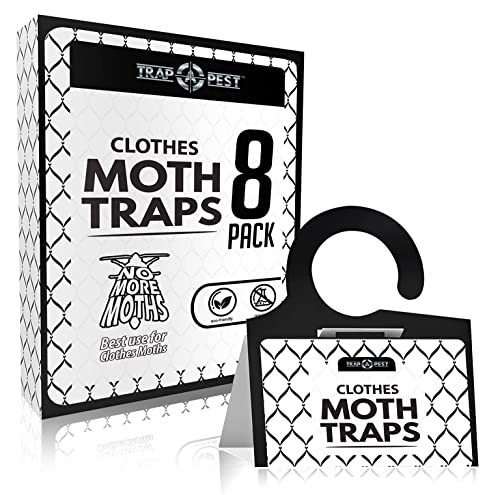
- Clothes moth pheromone trap kit
- Carpet beetle sticky trap
- HEPA handheld vacuum for fabric pests
- Sealable plastic bags or garment bags
- Mild detergent and water for spot cleaning
- Clean, flexible brush or lint roller


Before You Start
Prepare the space by removing clutter and sorting textiles by category (seasonal wear, upholstery, stored fabrics). Test cleaning methods on inconspicuous areas first to avoid damage. Identify high-risk rooms (closets, bedrooms, living rooms with wool or natural fibers) and schedule a cleaning window of several hours. If anyone in the home has allergies or if there are children or pets, plan around their presence and ventilation needs.
Textile storage plays a role in pest control. Store clean items in sealed containers or garment bags and consider rotating items seasonally to disrupt indoor pest cycles.
Step-By-Step: How To Get Rid Of Fabric Bugs
- Inspect textiles carefully, looking for larvae, shed skins, webbing, or adult moths near fabric seams, shelves, and lint traps.
- Vacuum thoroughly with a HEPA handheld vacuum for fabric pests, paying special attention to seams, folds, and under furniture. Empty the canister immediately into a sealed bag.
- Apply clothes moth pheromone trap kit in closets and storage areas to disrupt mating cycles and attract adults away from stored fabrics.
- Place carpet beetle sticky trap in corners, under beds, and along baseboards where beetles tend to travel.
- Wash or spot-clean affected textiles. Use warm water and a suitable detergent; for delicate fabrics, follow care labels or consider dry cleaning.
- Isolate infested items in sealed bags and consider heat treatment or professional cleaning if the infestation is widespread.
- Dry textiles on high heat if fabric care allows; heat can kill larvae and eggs. For items that cannot withstand heat, freeze them for several days in sealed bags.
- Reassess rooms weekly for 4–6 weeks, repeating vacuuming and trap checks, and rotate traps to new locations as needed.
Troubleshooting
| Symptom | Likely Cause | Fix | Prevention |
|---|---|---|---|
| Visible larvae on fabric | Active infestation | Isolate and treat affected items; vacuum thoroughly | Regular cleaning and storage in sealed containers |
| Adults seen near seams | Breeding population nearby | Set pheromone traps and inspect adjacent textiles | Declutter; reduce breeding sites |
| Sticky traps showing beetles | Beetles are active in area | Relocate traps and add more in problem zones | Clean floors and baseboards consistently |
| Reinfestation after cleaning | Hidden eggs or overlooked fabrics | Recheck all stored items and repeat cleaning protocol | Periodic preventive treatments and seasonal checks |
Common Mistakes To Avoid
- Relying on a single method—combine traps, cleaning, and fabric handling.
- Ignoring care labels when cleaning textiles—some fabrics require gentle methods.
- Forgetting to seal and store cleaned items—unsealed items invite re-entry.
- Using overpowering chemicals near textured fabrics—choose safe, fabric-friendly products.
Tips For Best Results
- Place traps where fabric pests congregate: near closets, under beds, and along baseboards.
- Coordinate trap placement with regular vacuuming to keep adults from breeding in populated areas.
- Label and organize textiles by storage method (sealed bins vs. drawers) to simplify ongoing checks.
- Keep humidity levels moderate; excessive moisture can encourage mold and attract pests.
- Rotate traps every few weeks to cover different travel paths pests may use.
Call A Professional
If the infestation covers a large area, involves wool or fur textiles, or persists after repeated at-home measures, contact a pest control professional. Stop signs include rising infestation despite cleaning, presence of larvae, or signs of damage on valuable fabrics. A pro can identify species, apply targeted treatments, and advise on fabric-safe remediation strategies.
FAQ
What attracts fabric bugs to my home?
Fabric bugs are drawn to natural fibers, pet hair, lint, and stored textiles in dark, undisturbed spaces.
Are moths dangerous to humans?
No, fabric bugs do not pose direct health risks to people, but their presence can damage textiles and trigger allergies for some individuals.
How long does it take to see results?
Results vary by infestation size, but consistent cleaning and trap use typically show improvement within several weeks.
Can I use essential oils or homemade sprays?
Homemade sprays are generally less effective and may stain fabrics; use proven products and follow label instructions.
Should I discard infested items?
If items are severely damaged or contaminated with larvae, discarding may be the most practical option. Store usable textiles securely during treatment to prevent spread.
Buying Guide
When choosing tools and products to combat fabric pests, consider size of the space, fabric types, and storage habits. Look for a HEPA handheld vacuum for fabric pests with strong suction, good filtration, and easy-to-clean filters. A clothes moth pheromone trap kit should be designed for closets and storage areas, while a carpet beetle sticky trap is helpful along baseboards and under furniture. Energy efficiency and low odor are pluses for indoor use. Assess noise levels if the device will operate in living areas, and choose products with clear care instructions. Placement matters: position traps away from direct sunlight and heat sources, and in the pathways pests frequent. For larger infestations, a combination approach with professional guidance can deliver the best outcome. Consider your textile inventory, care requirements, and seasonal storage routines to build a practical, ongoing prevention plan.
Leave a Reply