How to Clean Cloth Blinds at Home
Cloth or fabric blinds bring a soft, stylish look to rooms but can accumulate dust, pet hair, and cooking fumes over time. Regular cleaning helps maintain their appearance and prolongs their life. This guide provides practical, step-by-step methods using common tools and safe techniques for American homes.
Whether you own lightweight fabric roller shades, woven wood alternatives, or fabric panel blinds, the methods below adapt to most fabric blinds. The aim is to remove dust and stains without damaging the fabric or leaching dyes. Follow the steps in order for best results.
Quick Answer
Best all-around method: dry dust with an extendable microfiber blind duster to remove surface dust, then vacuum with a upholstery brush attachment for embedded dirt. For stains, spot clean with a fabric-safe cleaner and microfiber cloths. Finish with a light air-dry and re-dust to restore fluff.
A Quick Start: What You’ll Need
The following tools and supplies cover most cleaning scenarios for fabric blinds. Each item targets different levels of dirt, from light dust to deeper grime.
- Extendable microfiber blind duster for fabric window blinds
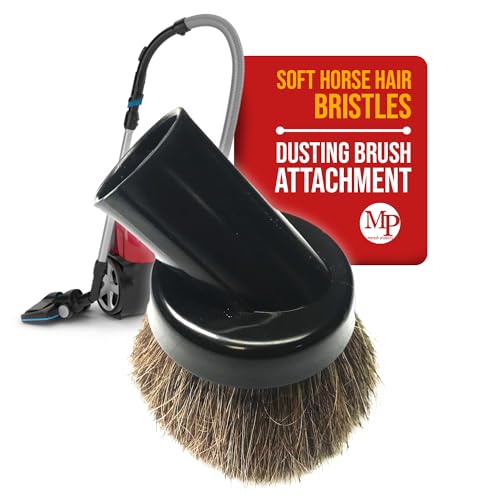
- Vacuum cleaner upholstery brush attachment for window blinds fabric
- Fabric blind cleaning kit microfiber cloths reusable
- Soft brush or lint roller for stubborn hairs
- Non-residue fabric-safe cleaner or mild dish soap


Before You Start
Check label instructions on the blinds for cleaning cautions. Do a quick test on a hidden or inconspicuous area to ensure colors won’t bleed. Remove any window hardware that could snag the fabric. Work with the blinds lowered and fully supported to prevent bending or warping. Safety note: unplug nearby electrical devices and avoid saturating fabric with liquids. Plan for time: light clean 20–30 minutes per window; deep cleans may take longer.
Step-By-Step: How To Clean Cloth Blinds
- Lower the blinds to the top position and secure them so they won’t shift during cleaning.
- Use the extendable microfiber blind duster to gently sweep each slat from top to bottom, capturing loose dust and hair.
- Move the blinds by sections and continue dusting, rotating the slats to reach the unseen edges.
- Attach the upholstery brush to a vacuum and set to a low suction. Vacuum the fabric surfaces, moving slowly to lift embedded dust.
- Spot clean any visible stains with a mild fabric-safe cleaner or a solution of soap and water. Test first on a hidden area.
- For stubborn stains, apply a small amount of cleaner to a microfiber cloth and blot gently—avoid rubbing to prevent fiber damage.
- Rinse the cloth with clean water and blot again to remove any soap residue, then press with a dry towel to absorb moisture.
- Allow blinds to air-dry completely while resting in the lowered position. If weather permits, prop them slightly open to speed drying.
- After drying, re-dust the blinds to restore their appearance and fluff the fabric fibers.
- Repeat on the remaining sections, ensuring even cleaning and consistent fabric appearance across all slats.
- If you notice ongoing dust buildup, consider placing vacuum-cleaned microfiber cloths or a dedicated fabric blind cleaning kit within reach for regular maintenance.
- For repeated cleaning cycles, maintain a routine schedule (e.g., every 4–6 weeks) to prevent heavy buildup.
Troubleshooting
| Symptom | Likely Cause | Fix | Prevention |
|---|---|---|---|
| Dust returns quickly | Infrequent cleaning or static cling | Increase cleaning frequency and use a slightly anti-static cloth | Dust with a microfiber duster weekly |
| Streaks after cleaning | Water or cleaner residue | Rinse and blot with a dry cloth; ensure thorough drying | Use minimal cleaner and avoid saturating fabric |
| Fabric color transfer | Bleeding dyes | Test cleaners first; use color-safe products | Limit moisture near dyes; pre-test |
| Stubborn stains persist | Deep-set stains | Apply cleaner to cloth, blot, repeat; consider professional cleaning for delicate fabrics | Treat stains promptly |
Common Mistakes To Avoid
- Using harsh or abrasive cleaners that can damage the fabric
- Over-wetting blinds, which may cause warping or mold growth
- Rubbing hard, which can fray or distort slats
- Using the wrong brush or attachment that roughs up the surface
Tips For Best Results
- Adopt a regular cleaning schedule to prevent heavy buildup and maintain fabric integrity.
- Keep a dedicated microfiber cloth kit on hand for quick spot cleaning and touch-ups.
- Work systematically, section by section, to ensure even results across all blinds.
- Always air-dry blinds fully before returning them to use to prevent mold and odors.
- Store cleaning tools in a reachable spot near windows for faster maintenance.
When To Call A Professional
Consider professional cleaning if blinds are heavily stained, have mold or mildew, or if fabric is delicate, expensive, or value-dyed. Seek help if you notice color fading after cleaning or warping from moisture. If you experience persistent odors or water leaks behind blinds, stop and consult a pro.
FAQ
Can I clean fabric blinds with water?
Lightly dampening with a minimal amount of water is acceptable for spot cleaning, but avoid soaking the fabric.
Are fabric blinds safe to vacuum?
Yes, using a vacuum with an upholstery brush attachment on a low setting helps remove embedded dust.
What should I use to remove stains from fabric blinds?
Use a mild fabric-safe cleaner or a small amount of dish soap diluted in water, testing first on a hidden area.
How often should fabric blinds be cleaned?
Light dusting every 1–2 weeks and a deeper clean every 4–6 weeks is a practical routine for most homes.
Buying Guide
Choosing the right cleaning approach for fabric blinds depends on several factors. First, consider the size and type of blinds, as larger or thicker fabrics may require more thorough cleaning strategies. Noise level and energy efficiency are not directly tied to cleaning but relate to overall window system performance and operation. For convenience, look for tools that can reach high or wide spans without moving furniture. Controls and placement impact how you access blinds during cleaning—ensure the blinds are easy to lower and raise for thorough cleaning. Compare products that offer extendable duster capabilities, reliable vacuum attachments, and reusable microfiber cloths to minimize waste and simplify ongoing maintenance. Multiple cleaning scenarios may warrant owning a kit that includes a microfiber cloth set and a dedicated fabric-safe cleaner, enabling both dusting and spot cleaning in one session. By balancing accessibility, material compatibility, and cost, homeowners can maintain fabric blinds with minimal disruption to daily living.
Leave a Reply