How to Get Rid of Dirt Gnats
Indoor gnats, often called dirt gnats or fungus gnats, thrive in moist soil and decaying organic matter. They can quickly become a nuisance for houseplants and indoor gardens. This guide provides practical, step-by-step methods to reduce populations, prevent re-infestations, and protect plant health without harsh chemicals.
Quick Answer
Identify the source of moisture around potted plants, reduce overwatering, and deploy targeted traps to capture adults. Combine sticky traps with soil treatments and improved watering habits for best results. Regular monitoring is essential to prevent rebounds.
What You’ll Need
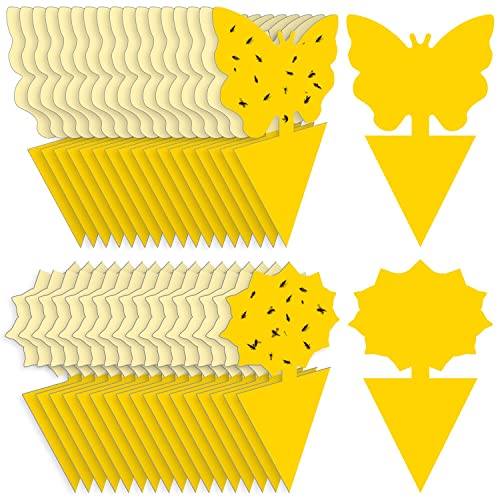
- Yellow sticky traps fungus gnats for houseplants 3-pack
- fungus gnat trap for indoor plants sticky cards 6-pack
- digital soil moisture meter for potted plants


Before You Start
Effective gnat control begins with understanding their life cycle. Female gnats lay eggs in moist soil near organic material, and larvae feed on roots and decaying matter. Keep soil from staying wet for long periods and remove any decaying plant material. Safety note: avoid heavy chemical sprays around edible plants and children. Allocate a dedicated plant care area if multiple pots are affected. Time estimate: 1–3 weeks for initial reduction, with ongoing maintenance.
Step-By-Step: How To Get Rid Of Dirt Gnats
- Assess and reduce overwatering by checking soil moisture with the digital soil moisture meter for potted plants. Set appropriate watering intervals based on plant type and pot size.
- Apply yellow sticky traps to adult gnats. Place traps near the soil surface of affected pots and in low-traffic zones where adults are most active. Replace traps as needed.
- Gently top-dress the soil with a thin layer of dry material (sphagnum moss or dry perlite) to disrupt larval habitat and reduce surface moisture.
- Let the top inch of soil dry out between waterings to create an unfavorable environment for larvae while still meeting plant needs.
- Consider a biological or mineral soil treatment if infestations persist. Options include beneficial nematodes or a(baking soda-based) soil mix that improves drainage and reduces larvae hotspots. Follow product directions carefully.
- Maintain consistent monitoring with the digital soil moisture meter. Record readings and adjust watering schedules to prevent re-wetting soil unnecessarily.
- Move pots with severe infestations to a warmer, drier area temporarily while you implement traps and soil alterations. This disrupts the gnats’ life cycle and slows reproduction.
- Regularly inspect drainage trays and repot plants if soil becomes heavily contaminated. Clean trays and replace soil if needed to remove lingering eggs and larvae.
- Continue using yellow sticky traps for several weeks, especially during warm seasons when gnats breed rapidly. Replace them when they darken or lose stickiness.
- Practice preventive care: use well-draining soil, avoid over-fertilizing, and reduce standing water in plant saucers. A consistent routine is key to long-term control.
- For decorative or high-risk areas, consider isolate new plants for a few weeks before adding them to the collection, reducing the chance of introducing gnats.
- Document progress with photos and moisture readings to see how infestations respond to your adjustments and refine your approach as needed.
Troubleshooting
| Symptom | Likely Cause | Fix | Prevention |
|---|---|---|---|
| Many adults near soil surface | Overly moist soil | Adjust watering, improve drainage | Use moisture meter; allow top inch to dry |
| Sticky traps fail to catch gnats | Low trap placement or insufficient light | Place traps closer to soil; ensure bright indirect light | Place multiple traps around plants |
| Larvae visible in soil | Heavy infestation | Consider soil refresh or targeted soil treatment | Use well-draining soil and avoid overwatering |
| Reinfestation after weeks | Hidden eggs in soil or pots | Replace soil or isolate new plants | Quarantine new plants; clean pots |
Common Mistakes
- Overwatering despite visible insect activity
- Relying solely on sprays without addressing moisture and debris
- Ignoring saucers and drainage trays where moisture collects
- Using traps without maintaining or refreshing them
Addressing dirt gnats requires a balanced approach that targets both adults and larvae. Environment, soil management, and monitoring all play critical roles in success.
Tips For Best Results
- Keep a consistent watering routine tailored to each plant’s needs and pot size.
- Use yellow sticky traps as a frontline defense and refresh weekly during active seasons.
- Pair traps with soil care: allow surface to dry, refresh soil when necessary, and clean drainage areas.
- Label plants that are more prone to gnats and give them extra monitoring during warmer months.
- Combine natural deterrents, like dry top-dressings, with proper drainage to reduce larval habitats.
Call A Professional
Seek professional help if:
- Infestations persist after 6–8 weeks of consistent control measures.
- There are signs of plant decline beyond gnat activity, such as wilting or significant root damage.
- Multiple plants show severe symptoms across a large area and simple measures fail to curb activity.
FAQ
What are dirt gnats and where do they come from?
Dirt gnats, or fungus gnats, are tiny flies whose larvae live in moist potting soil and feed on organic material and roots.
Do sticky traps work for dirt gnats?
Yes, yellow sticky traps attract adult gnats and help reduce their reproduction by catching a portion of the population.
Is soil moisture the main cause of dirt gnats?
Moist soil is a key factor; reducing excess moisture and improving drainage significantly lowers gnat activity.
Can I use chemicals to treat fungus gnats?
Chemical options exist, but they should be used cautiously and as a supplement to moisture management and soil care.
How long does it take to see results?
Initial reductions may appear within 1–2 weeks, with full control usually over several weeks depending on conditions.
Should I quarantine new plants?
Yes, quarantine new plants for a few weeks to prevent introducing gnats to established collections.
Can I compost indoors with fungus gnats?
Indoor composting can attract gnats; if you must compost, use sealed, controlled systems away from houseplants.
Buying Guide
When selecting tools to combat dirt gnats, consider size, efficiency, and ease of use. A practical setup combines monitoring, trapping, and soil management for steady control.
- Trap effectiveness: Choose yellow sticky traps or cards designed for fungus gnats; a multi-pack supports larger collections or seasonal use.
- Moisture monitoring: A digital soil moisture meter helps tailor watering and avoids overwatering, a core root of the problem.
- Soil and drainage: Ensure pots use well-draining soil and adequate drainage to reduce larval habitat.
- Placement: Position traps near the plant base and in areas with high gnats activity; keep traps out of direct sunlight for best stickiness.
- Maintenance: Plan for regular trap replacements and soil checks; consistent upkeep yields longer-term results.
For those managing multiple houseplants, a combination of 3-pack or 6-pack yellow sticky traps plus a reliable moisture meter offers a comprehensive, user-friendly kit. Will you start with a moisture check and a few yellow traps to see how quickly your plants respond?
Leave a Reply