How to Clean Pennies With Coke
Quick Answer
Using Coca-Cola to clean pennies is a simple, quick method to remove tarnish from copper coins. Submerge the coins in a small amount of Coke, let them sit briefly, then rinse and buff with a soft cloth. For best results on copper pennies, use a dedicated copper cleaner and a polishing cloth after the soak to restore shine without scratching the surface.
What You’ll Need
Below is a compact list of items that help clean pennies with minimal risk to the coins. Use each item as directed to achieve a cleaner, brighter penny.
- copper coin cleaning kit
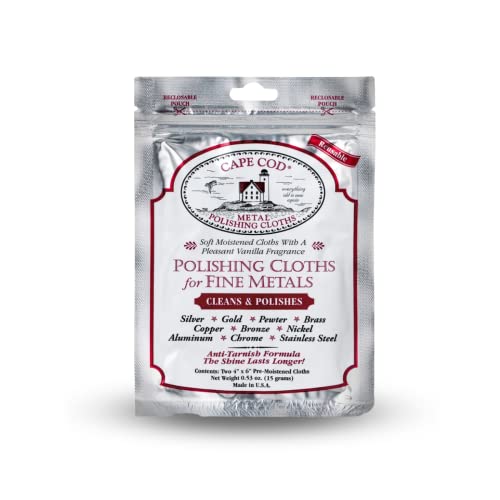
- coin polishing cloth for copper
- non-abrasive copper cleaner for coins


Before You Start
Prepare a clean workspace and gather your materials. Choose a small, non-reactive container and ensure you have access to running water for rinsing. Protect your hands with gloves if you have sensitive skin, and work in a well-ventilated area. Coin handling tips: avoid harsh scrubbing that can wear away metal or details. Time is your ally—prolonged exposure to acidic liquids can damage the patina on some pennies, so limit the soak to a few minutes.
Step-By-Step: How To Clean Pennies With Coke
- Place the pennies in a clean, non-metallic dish. Use only as many as will fit in a single layer to ensure even cleaning.
- Pour enough Coca-Cola to cover the coins completely. The phosphoric and citric acids aid in lifting tarnish from copper surfaces.
- Let the coins soak for 2–5 minutes. Do not leave pennies in the liquid longer than needed to avoid potential surface damage.
- Remove the coins and rinse them under cool running water to wash away the liquid and loosened grime.
- Gently pat dry with a soft coin polishing cloth for copper or a lint-free towel. Do not rub hard; use light, circular motions.
- Inspect the pennies. If tarnish remains, repeat the soak for another minute or two, then rinse again.
- Apply a non-abrasive copper cleaner for coins in a thin layer, following the product directions. This helps restore color and provide a protective sheen without scratching.
- Buff with a clean section of the polishing cloth until the coin shines. Avoid circular scratches and ensure no residue remains.
- Store cleaned pennies in a dry, cool place or in a protective coin holder to prevent future tarnish.
- If a coin shows wear or greenish corrosion, stop cleaning and consider professional assessment to avoid damage to historical coins.
- For a bright finish, you can repeat the copper cleaner step on rare coins, but only if the surface looks dull and truly requires treatment.
- Record results and compare with uncleaned coins to gauge improvement and consistency across the batch.
Troubleshooting
| Symptom | Likely Cause | Fix | Prevention |
|---|---|---|---|
| Penny remains dull after the soak | Insufficient cleaning time or tarnish depth | Re-soak 1–2 minutes and reapply copper cleaner | Use fresh cleaner and avoid over-soaking |
| Discoloration or spotting | Uneven application or residue | Rinse thoroughly and buff with clean cloth | Ensure complete rinse and wipe dry |
| Scratches or hazy surface | Rubbing too hard or using abrasive cloth | Switch to gentle motions and a dedicated polishing cloth | Use only soft, lint-free cloths |
| Coins turning green or rough | Exposure to moisture or improper cleaners | Stop cleaning; consult a pro for sensitive coins | Limit cleaning cycles on valuable items |
Common Mistakes
- Using the Coke soak for too long, which can dull or pit the surface
- Scrubbing aggressively with any cloth, causing micro-scratches
- Skipping a proper rinse and drying step, leaving residues that attract tarnish
- Over-cleaning coins with copper cleaner, which can wear details
Tips For Best Results
- Test a single coin first to gauge how the finish responds before a larger batch
- Keep coins fully submerged during the initial soak to promote even cleaning
- Always finish with a dedicated coin polishing cloth to restore shine safely
- Store cleaned pennies in protective holders or a dry, low-humidity environment
- Label and separate coins by type or year if collecting; avoid mixing cleaned and uncleaned coins in the same storage
Call A Professional
Seek professional help if a coin is antique, rare, or potentially valuable. Stop cleaning immediately if you notice unusual patina, corrosion, or edge damage. A professional conservator can assess whether cleaning is advisable without diminishing value or historical significance.
FAQ
Can I use Coke to clean pennies with a metal finish?
Yes, but avoid prolonged exposure; finish-prone pennies may require gentler methods or professional care.
Is Coca-Cola safe for copper pennies?
Generally effective for remove light tarnish, but use as part of a controlled process with proper rinsing and polishing.
What should I do if a penny turns dull after cleaning?
Repeat the gentle cleaning steps or switch to the copper cleaner for a final polish, avoiding aggressive scrubbing.
Are there safer methods for valuable coins?
Valuable or historical coins should be cleaned only under professional guidance to preserve mint details.
Buying Guide
When selecting products to clean pennies with Coke or copper surfaces, consider size, efficiency, and compatibility with coins. Key buying factors include:
- Size and suitability — Look for kits that accommodate a small batch of coins without crowding, ensuring even contact with cleaner and cloths.
- Noise level — Cleaning tools are mostly manual; choose quiet, hand-operated options for a calm workspace.
- Energy efficiency — Manual cleaning methods consume minimal energy compared to power tools, aligning with eco-conscious practices.
- Controls and usability — Easy-to-follow instructions and clearly labeled components reduce mistakes during cleaning.
- Placement — Store in a dry, cool cabinet or on a dedicated shelf away from moisture and direct sunlight to maintain results.
Consider how often you clean pennies and whether you need a comprehensive kit or simple consumables. For casual collectors, a basic copper coin cleaning kit paired with a soft polishing cloth often suffices. For serious hobbyists, a complete system that includes non-abrasive cleaner and guidance on safe handling can improve results while protecting coin surfaces.
Leave a Reply