How to Clean Your Back
Maintaining proper back hygiene can be challenging due to hard-to-reach areas. This guide provides practical, step-by-step instructions to clean your back effectively using common shower tools and ergonomic gear.
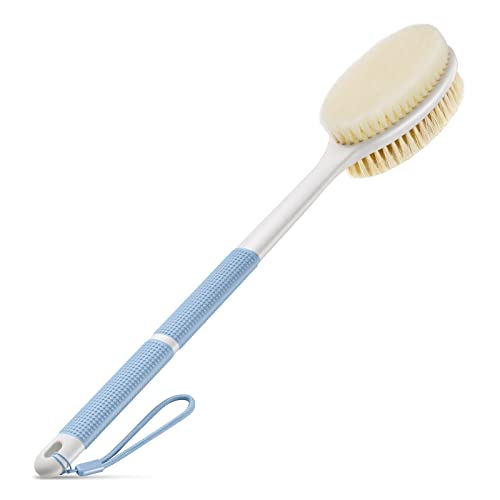
Whether you prefer a long-handled exfoliating back scrubber brush, a silicone back scrubber with an ergonomic handle, or an adjustable length back brush with a detachable head for the shower, this article covers best practices for a thorough cleanse.
Quick Answer
Use a back-scrubbing tool with a long handle to reach the entire back, lather with a mild cleanser, scrub in gentle circular motions, and rinse completely. For sensitive skin, choose a soft brush and avoid over-scrubbing.
What You’ll Need
- Long-handled exfoliating back scrubber brush
- Silicone back scrubber with ergonomic handle
- Adjustable length back brush with detachable head for shower
- Cafe-cleanser or mild body wash
- Water and a towel for drying


Before You Start
Prepare the shower area by laying out towels and ensuring good ventilation. Wet the skin with warm water to soften buildup. Use a mild cleanser to protect skin’s natural oils. Avoid harsh scrubs or abrasive tools on broken, irritated, or sunburned skin. Estimated time: about 5–10 minutes per cleaning session. Keep children’s paths clear of the shower to prevent slips.
Step-By-Step: How To Clean Your Back
- Choose your tool: select a long-handled exfoliating back scrubber brush, a silicone back scrubber with ergonomic handle, or an adjustable length back brush with detachable head for shower.
- Apply a small amount of mild body wash to the brush or directly to your back if needed.
- Stand with good balance and extend the brush to reach the mid-back, then rinse the handle if needed.
- Scrub in light, circular motions, covering the entire back from shoulder blades to lower back. Avoid pressing too hard to protect the skin.
- Work from the spine outward to clean flanks, paying attention to commonly missed areas such as the upper back and lower waistline.
- Rinse thoroughly with warm water, ensuring no soapy residue remains in folds of skin.
- Dry the back and brush head completely to prevent mildew; hang the brush where it can air-dry between uses.
- Follow with a moisturizer if needed and store the tool in a dry area away from direct water spray when not in use.
- Clean the brush regularly by rinsing, then let it dry fully to maintain hygiene and extend its life.
- Inspect the brush for wear. If the bristles shed or the head loosens, replace the attachment promptly.
- Repeat as part of your shower routine, adjusting pressure and duration to personal comfort.
Troubleshooting
| Symptom | Likely Cause | Fix | Prevention |
|---|---|---|---|
| Back feels itchy after washing | Sensitive skin or harsh cleanser | Switch to a mild, fragrance-free cleanser | Limit scrubbing to gentle motions |
| Brush head loosens or sheds bristles | Worn brush or improper attachment | Replace head or tool with a sturdier model | Follow manufacturer’s attachment guidance |
| Unpleasant odor from brush | Damp storage | Dry brush completely after use | Store in a ventilated area |
| Residue remains after rinsing | Too much product or hard-water mineral buildup | Use less cleanser or rinse longer | Rinse tool thoroughly after each use |
Common Mistakes
- Over-scrubbing or using aggressive pressure, which can irritate skin
- Not rinsing thoroughly, leaving soap residues
- Using a brush with worn bristles or a loose head
- Allowing the tool to stay soaked in a wet area, promoting mildew
- Neglecting to dry the tool between uses
Tips For Best Results
- Match the tool to your skin type: softer bristles for sensitive skin, firmer bristles for tougher buildup.
- Alternate tools to prevent repetitive strain: switch between a back scrubber with ergonomic handle and a detachable-head model for different angles.
- Use a quick rinse after scrubbing to minimize soap residues on the skin.
- Keep the shower floor dry to reduce slips while reaching your back.
- Periodically sanitize silicone or plastic components with mild soap and warm water.
Call A Professional
Seek professional help if back skin shows persistent rashes, severe irritation, or signs of infection not improving after a few days of proper cleansing. If you have limited mobility or a medical condition affecting the back, consult a dermatologist or physical therapist for guidance on safe cleaning techniques.
FAQ
What is the best back cleaning tool for hard-to-reach areas?
Tools with long handles and detachable heads, such as a adjustable length back brush with detachable head for shower, help reach the mid and lower back comfortably.
Can I use regular soap on my back scrubber?
Yes, but a mild body wash is preferred to minimize irritation and dryness on sensitive areas.
How often should I replace a back scrubbing tool?
Replace when bristles shed, the head loosens, or its grip performs poorly; typically every 6–12 months with regular use.
Is silicone better than bristles for back scrubbing?
Silicone scrubbers are easy to clean, resist mold, and are gentler on skin, making them a popular choice for daily use.
Buying Guide
Choosing the right back-cleaning tool involves several factors. Consider size and reach to ensure the tool covers the entire back without straining. Noise level matters if the device is used near seating areas or shared bathrooms. Energy efficiency is less of a concern for manual tools but relevant for battery-powered variants. Look at controls and ease of use—ergonomic handles and detachable heads reduce fatigue. Finally, consider placement and drying options: a wall hook or shower caddy with good airflow helps keep tools dry and available for daily use. If you value versatility, a model with multiple head options supports different cleansing needs and skin sensitivities.
Leave a Reply