How to Remove Detritus From an Aquarium
Detritus buildup in freshwater aquariums can cloud water, trap nutrients, and encourage unwanted algae growth. Regular cleaning and efficient siphon methods help maintain a healthy tank environment for fish, plants, and beneficial bacteria. This guide covers practical steps using common tools to remove detritus and keep gravel clean without stressing aquatic life.
For many hobbyists, the challenge is choosing the right siphon and knowing how to use it without evacuating too much water or disturbing the substrate. The focus here is on reliable methods and safe practices that work with standard home setups.
Quick Answer
Best quick method: Use a gravel vacuum siphon designed for detritus cleanup, gently sweeping it across the substrate to lift settled debris while your filter handles the circulating debris. Regular water changes with a dedicated siphon kit prevent detritus from accumulating between cleanings.
What You’ll Need
The following tools are commonly used to remove detritus from aquariums. They are described to align with typical product keywords for efficient cleanup.
- aquarium gravel vacuum siphon for detritus cleanup
- detritus remover aquarium siphon hose kit
- waterchange siphon kit for freshwater aquarium detritus
- bucket or reservoir for used water
- gloves or handling tools, if preferred
 |
Laifoo 7ft Aquarium Siphon Vacuum Cleaner for Fish Tank Cleaning Gravel & Sand | |
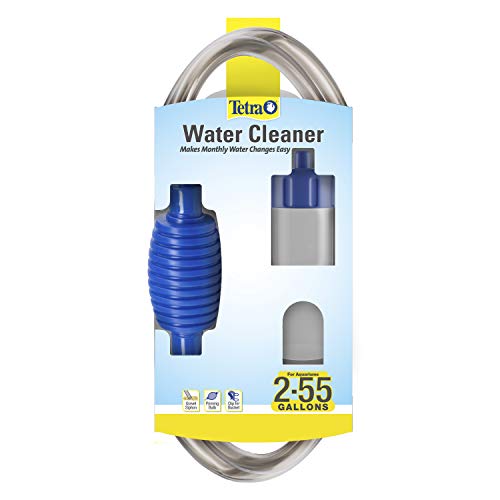 |
Tetra Water Cleaner Gravel Siphon for Aquariums, Easily Clean Freshwater Aquariums |
Before You Start
Before beginning, confirm the tank is stable and inhabitants are not stressed. Turn off or reduce strong water movement temporarily if your filter returns strong currents. Plan a water-change schedule that balances detritus removal with stable parameters. Always unplug electrical equipment before handling siphons or cleaning tools to prevent shocks. Allow approximately 20–40 minutes for a standard 20–30 gallon tank depending on your cleaning routine.
Step-By-Step: How To Remove Detritus With A Siphon
- Prepare the water-change siphon kit and place a bucket below the tank. Prime the siphon according to the kit instructions to avoid air bubbles during start.
- Gently insert the gravel vacuum into the substrate near the glass, keeping the intake near the surface of the detritus-rich layer. Avoid aggressively digging into deeper substrate unless you know the tank’s cleaning needs.
- Slowly move the siphon across the gravel bed in short, overlapping passes. The goal is to suspend fine debris without uprooting healthy substrate or plants.
- Periodically lift the nozzle to observe how much debris is being collected. If the water looks clear, slow down and reduce agitation to protect beneficial bacteria.
- Continue until the water level drops to your chosen target. This typically corresponds to a partial water change, often 10–30% depending on tank conditions and bio-load.
- Reconnect and restart filtration if it was turned off. Check for any debris escaping into the display and re-tighten hose connections if needed.
- Discard the tank water safely and rinse the bucket and siphon parts with clean water. Do not use soaps or cleaners that might leave harmful residues.
- Resume normal feeding and monitoring. Observe fish behavior for a short period to ensure the environment returns to baseline behavior after the cleanup.
Troubleshooting
| Symptom | Likely Cause | Fix | Prevention |
|---|---|---|---|
| Water cloudy after cleaning | Disrupted fine sediments | Sweep more gently and use smaller substrate passes | Regular, moderate cleanings and pre-wetting the siphon |
| Siphon stops siphoning | Air lock or blocked intake | Re-prime siphon; clear intake of debris | Keep intake free of larger debris during use |
| Excessive uprooting of substrate | Aggressive agitation | Short, shallow passes; slow movements | Use a softer touch and plan gentle passes |
| Filter quickly clogs after cleaning | Detritus escapes filter due to new debris | Rinse media or adjust flow; avoid over-cleaning | Regular maintenance schedule to balance detritus |
Common Mistakes
- Over-cleaning the substrate leading to ammonia spikes from disturbed beneficial bacteria.
- Vacuuming too deeply and uprooting plants or substrate-dwelling organisms.
- Using harsh chemicals or soaps to clean siphon parts.
- Ignoring the need for a steady, consistent water-change routine in favor of sporadic deep cleanings.
Tips For Best Results
- Establish a predictable cleaning cadence, such as weekly or biweekly sessions, aligned with your tank’s bioload.
- Use water-change siphon kits designed for freshwater detritus to minimize water parameter swings.
- Keep a stash of pre-rinsed media or a routine for rinsing the substrate to prevent sudden changes in clarity.
- Combine mechanical cleaning with routine substrate stirring only for tanks that tolerate it, avoiding sensitive species.
- Test water parameters after cleaning to confirm stability; adjust feeding or filtration if necessary.
Call A Professional
Consider contacting a professional if you notice persistent discoloration, significant detritus buildup despite regular cleanings, or unexplained parameter fluctuations. Signs that require expert help include constant algae blooms, rapid ammonia or nitrite spikes, or fish showing unusual stress responses despite standard maintenance.
FAQ
What is the best way to remove detritus without disturbing plants?
Use a gentle, shallow sweep with the gravel vacuum and avoid deep substrate agitation. Move slowly and target the surface layer where detritus accumulates.
How often should I run detritus cleanup in a typical 20–30 gallon tank?
Around weekly to biweekly cleanings work for many setups, with additional, lighter maintenance between water changes as needed.
Can I use any siphon for detritus, or do I need a specialized kit?
Specialized aquarium gravel vacuum siphons and detritus remover kits streamline the process, but basic siphons can work if designed for aquarium use and used carefully.
What should I do if my tank becomes cloudy after cleaning?
Reduce agitation, allow particulates to settle, and ensure you are not over-cleaning or over-watering. If cloudiness persists, perform a small water change and check filter function.
Are there safety concerns with siphons?
Always unplug equipment before handling, keep power cords away from water, and use a properly rated siphon to avoid leaks or electrical hazards.
Buying Guide
When selecting gear to tackle detritus in an aquarium, consider size, noise level, energy efficiency, and control features. A compact gravel vacuum that fits your tank dimensions is ideal for small tanks, while larger systems may benefit from stronger flow and adjustable suction. Look for easy setup, reliable materials, and compatibility with freshwater substrates. Noise considerations matter if the tank is in a living space; choose models with quiet pumps and hose assemblies. For placement, ensure the siphon kit reaches the substrate comfortably and stores neatly between cleanings. Finally, compare multiple kits for included accessories and replacement parts to maximize longevity and value.
Leave a Reply