How to Clean Old Wood Floors Without Sanding
Old wood floors add character and warmth to a home, but cleaning them without sanding requires care to preserve finish and avoid damage. This guide outlines practical steps using common tools and gentle cleaners to renew shine while protecting the wood’s integrity.
Quick Answer
Use a pH neutral wood floor cleaner microfiber mop for routine cleaning, and reserve an electric floor scrubber for hardwood floors or an orbital floor polisher wood floor buffing pad for periodic deeper cleaning. Avoid water-soaked mops and harsh detergents that can dull finishes or raise grain.
What You’ll Need
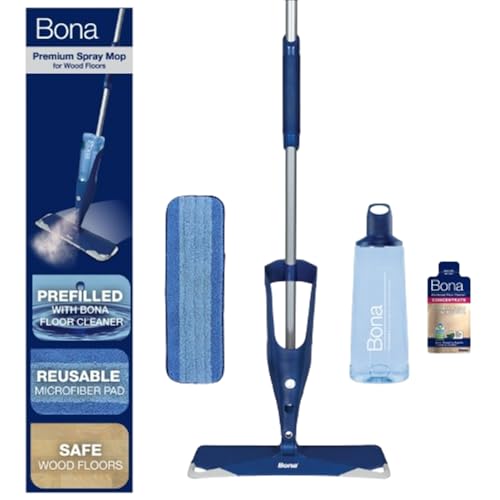
- pH neutral wood floor cleaner microfiber mop or a dedicated wood-safe spray cleaner
- Soft microfiber mop head or pad
- Bucket with clean water for rinsing (if using spray cleaner)
- Electric floor scrubber for hardwood floors (gentle setting, low speed)
- Orbital floor polisher wood floor buffing pad (for light polishing and buffing)
- Soft cloths for spot cleaning and drying
- Optional: wood floor refinishing touch-up kit if scratches appear


Before You Start
Prepare the room by removing furniture and sweeping or vacuuming to remove dust and grit. Check the floor’s finish integrity and look for loose boards or signs of water damage. Test cleaning products in an inconspicuous area first to ensure no discoloration occurs. Keep rooms well ventilated and avoid soaking the floor; water can seep into seams and cause warping. Plan cleaning in sections to prevent over-wetting and ensure thorough drying.
Step-By-Step: How To Clean Old Wood Floors Without Sanding
- Dust or vacuum the floor to remove loose dirt and debris, paying attention to edges and corners.
- Lightly dampen a microfiber mop with a pH neutral wood floor cleaner according to the product label. Wring well to avoid excess moisture.
- Spray cleaner directly onto the mop or floor in small sections; work with the grain when possible to lift dirt without scratching.
- Use a electric floor scrubber for hardwood floors on a low setting if deeper cleaning is needed. Keep the machine moving to avoid dwell time on one spot.
- For stubborn spots, apply cleaner to a soft cloth and gently rub in a circular motion rather than scrubbing hard.
- Rinse or wipe away residue with a barely damp microfiber pad, ensuring all cleaner is removed to prevent dulling.
- Dry the floor promptly with a dry microfiber pad or clean towel to prevent standing water. Check that all sections are fully dry before reassembling furniture.
- Optional: After cleaning, run a light pass with an orbital floor polisher wood floor buffing pad on a soft setting to restore a subtle shine without stripping the finish.
Troubleshooting
| Symptom | Likely Cause | Fix | Prevention |
|---|---|---|---|
| Finish looks dull after cleaning | Harsh cleaner or over-wetting | Switch to a pH-neutral cleaner and reduce moisture | Use minimal water and test spot first |
| Water rings or dark spots | Excess moisture or spilled liquids | Dry promptly; wipe spills immediately | Keep a dry mop handy during cleaning |
| Scratches or micro-scratches | Aggressive scrubbing or abrasive pads | Switch to softer pads and gentler technique | Avoid metal or stiff brushes |
| Finish peeling near baseboards | Rising moisture or poor adhesion | Limit water; inspect for damage and consider refinishing | Seal edges; use minimal moisture near edges |
Common Mistakes
- Using steam or soaking wet mops on wood floors
- Applying soap-based cleaners that leave residues
- Overworking the surface with aggressive scrubbing pads
- Ignoring high-traffic areas that show wear differently
- Neglecting proper drying after cleaning
Sticking to gentle cleaners and controlled moisture helps preserve the floor’s luster and prevents warping over time.
Tips For Best Results
- Schedule cleaning during mild humidity days to minimize moisture-related issues.
- Use a microfiber mop for most cleanings; it traps dirt rather than pushing it around.
- Reserve the electric floor scrubber for occasional deep cleaning in high-traffic zones.
- Rotate cleaning methods seasonally to ensure even wear across rooms.
- If the floor shows wear, consider a professional refinish option rather than an aggressive full-sand approach.
Call A Professional
Consider a pro if the floor shows deep scratches, open seams, water damage, or if the finish has deteriorated beyond routine cleaning. Stop and seek help if you notice rapidly spreading dull patches, bubbling finish, or persistent staining despite proper cleaning. A professional can assess whether a light refinish or targeted repairs will restore appearance without sanding the entire surface.
FAQ
Can I use vinegar to clean wood floors?
Avoid using harsh acidic cleaners like vinegar on most finishes; they can dull the sheen over time.
How often should I clean old wood floors?
Light cleaning is typically recommended weekly or biweekly, with deeper cleaning every few months as needed by traffic.
Is steam cleaning safe for wood floors?
Steam is generally not recommended; moisture and heat can damage finishes and cause warping.
What should I do about water stains?
Dry promptly, blot gently, and consider a professional assessment if stains persist or penetrate the finish.
Buying Guide
When selecting products and tools for cleaning old wood floors without sanding, consider these factors:
- Size and room layout: Choose cleaners and machines compatible with the space, especially in tight corners.
- Noise level: Electric scrubbers and orbital polishers vary in sound; look for models with reasonable decibel ratings for inhabited homes.
- Energy efficiency: Opt for energy-efficient devices and corded or cordless options based on your cleaning frequency.
- Controls and ease of use: Simple speed settings and intuitive controls reduce user fatigue and errors.
- Placement and storage: Lightweight tools are easier to store in a broom closet or utility room without taking up much space.
- Compatibility with finish: Ensure cleaners and pads are designed for existing wood finishes to avoid dulling.
- Durability of pads and brushes: Reusable microfiber pads last longer and trap more dirt than disposable options.
- Replacement parts: Check availability of pads, brushes, and replacement heads for longevity.
By evaluating these factors, homeowners can choose a balanced kit that keeps old wood floors clean without sanding, maintaining warmth and charm with minimal risk. Are you ready to refresh your floor’s look without a heavy refinishing job?
Leave a Reply