How to Clean a GE Profile Ice Maker
Maintaining a clean ice maker helps ensure crystal-clear ice and optimal performance. The GE Profile line is well-regarded for reliability, but like any appliance, it benefits from regular cleaning to prevent mineral buildup and odor transfer. This guide provides a practical, step-by-step approach using common cleaning supplies and the specific GE Profile ice maker cleaning kit options.
Quick Answer
Shut off the ice maker, remove ice, then use a descaler cleaner made for GE Profile units, followed by a thorough rinse. Use a dedicated ice maker cleaning brush kit to reach internal crevices, and run several cycle rinses to remove all residue.
What You’ll Need
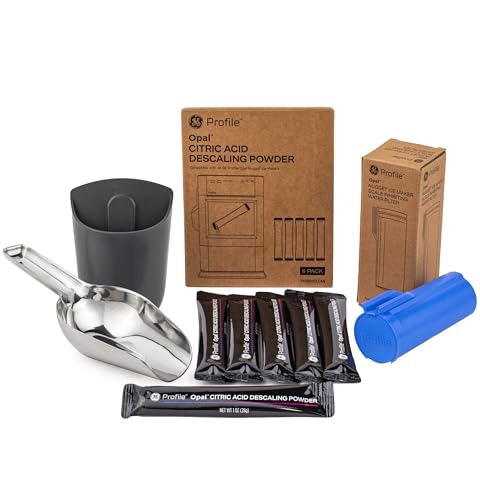
The following tools and products cover most GE Profile ice maker cleaning tasks. Gather these items before you start to streamline the process.
- GE Profile ice maker cleaning kit
- Automatic ice maker descaler cleaner for GE Profile
- Ice maker cleaning brush kit
- Clean microfiber cloths
- Soft-bristle brush
- Warm water
- Gloves (optional for skin protection)


Before You Start
Preparation helps prevent spills and damage. Unplug the appliance or switch it to off, then empty all ice from the bin. Place a towel under the ice maker area to catch drips. Use gloves if you have sensitive skin, and avoid mixing cleaners with food-contact surfaces. The cleaning cycle may take 20–40 minutes depending on the model, so plan accordingly.
Step-By-Step: How To Clean A GE Profile Ice Maker
- Power off the ice maker and remove any ice from the bin. This prevents any contaminated ice from being dispensed during cleaning.
- Mix the descaler cleaner for GE Profile with warm water according to the product instructions. Avoid full-strength concentration on plastic parts to protect surfaces.
- Pour the cleaning solution into the designated reservoir or spray onto the interior surfaces, focusing on the ice mold, auger housing, and doorway where mineral buildup tends to accumulate.
- Let the cleaner sit for the recommended dwell time, typically 5–15 minutes, to break down mineral deposits and oils.
- Use the ice maker cleaning brush kit to scrub the ice mold and hard-to-reach corners. Pay attention to crevices around the ice mold and water inlet lines.
- Rinse thoroughly with warm water. Run a rinse cycle if your model supports it, or repeatedly flush the interior with clean water until no cleaner residue remains.
- Repeat a second rinse if the smell or taste of cleaner persists. After rinsing, wipe surfaces with a clean cloth and allow the interior to air dry.
- Run one or two empty cycles with clean water to ensure the system is fully rinsed before returning to normal operation.
Troubleshooting
| Symptom | Likely Cause | Fix | Prevention |
|---|---|---|---|
| Ice has a stale taste | Residual cleaner or mineral buildup | Additional rinse cycles with clean water | Regular maintenance every 3–6 months |
| Ice maker not producing | Power off or clogged water line | Check power, inspect supply line, run cleaning cycle again | Keep lines free of mineral buildup |
| Uneven ice formation | Dirty molds or incorrect cleaning | Thorough cleaning with brush kit | Follow manufacturer guidance for frequency |
| Water leaks around the unit | Overfilling or mis-seated components | Check seals, re-seat hoses, tighten connections | Inspect for cracks or wear during cleaning |
Common Mistakes
- Using too strong a cleaner or mixing concentrations incorrectly
- Skimping on a thorough rinse, leaving chemical residues
- Forgetting to remove all ice before cleaning, which can contaminate the batch
- Not facilitating adequate airflow to dry interior surfaces
Tips For Best Results
- Schedule cleanings every 3–6 months or when you notice off-tastes or odors
- Use a dedicated cleaning kit designed for GE Profile ice makers to ensure compatibility
- Label cleaning cycles on your calendar to keep a consistent maintenance rhythm
- Always rinse until the smell and taste of cleaner are gone before returning to normal use
Call A Professional
Stop and call a pro if you notice persistent leaks, unusual noises, or if the ice maker fails to dispense after multiple cleaning cycles. Also seek professional help if the water inlet line or seals appear damaged, or if cleaning does not resolve taste or odor issues. For complex malfunctions, a service technician can diagnose electronic controls and sensor problems that cleaning cannot fix.
FAQ
How often should I clean my GE Profile ice maker?
Clean every 3–6 months, or sooner if you notice odor, taste changes, or slower ice production.
Can I use regular household cleaners to clean the ice maker?
Avoid household cleaners not approved for food-contact surfaces. Use the GE Profile ice maker cleaning kit and descaler cleaner recommended for GE appliances.
Is it necessary to remove all ice during cleaning?
Yes, remove ice and unplug the unit to prevent dispensing contaminated ice during cleaning.
What should I do if the ice still tastes off after cleaning?
Run additional rinse cycles with clean water and consider replacing filters if applicable to the model.
Can I clean the ice maker while it is in a built-in cabinet?
Yes, but follow model-specific instructions, maintain ventilation, and ensure you can safely access water lines and components.
Do I need to use all items in the cleaning kit?
Use the items recommended by the kit and only those designed for GE Profile ice makers to avoid damage.
What maintenance helps prevent mineral buildup?
Regular descaling and cleaning cycles, plus using filtered water if your local supply is hard.
Buying Guide
When selecting cleaning supplies or planning maintenance for a GE Profile ice maker, consider several factors. Size and capacity influence how much ice is produced and how accessible the interior is for cleaning. Noise level is a practical concern for kitchen placement and living areas. Energy efficiency matters if you engage in frequent cleaning cycles, as some cleaners may require more cycles or longer run times. Controls should be straightforward, with clear instructions for cleaning and rinsing. Placement, including a stable surface and appropriate clearance for venting, affects cleaning ease. Compare cleaning kits and descalers designed specifically for GE Profile to ensure compatibility and effective mineral removal. Are you choosing a kit that includes both a descaler and a brush kit, or one with multiple components? A kit tailored to GE Profile models generally provides better results and simpler steps for homeowners. Consider the maintenance schedule that fits your usage pattern, and keep a calendar for regular upkeep to maintain ice quality and appliance longevity.
Leave a Reply