How to Get Rid of Cockroaches Without Killing Them
For homeowners seeking a humane approach to cockroach control, non-lethal methods can reduce populations while avoiding harm to the pests. This guide covers practical, cruelty-free strategies that focus on capture, release, and prevention. By using humane traps and smart home practices, households can limit infestations without resorting to toxic pesticides.
Readers will find a clear, step-by-step plan, safety considerations, and common-sense maintenance tips to keep living spaces roach-free. The methods emphasize humane cockroach trap catch and release options and reusable tools designed for outdoor use when appropriate.
Quick Answer
Use humane cockroach traps designed for live capture, such as a live catch cockroach trap humane, and relocate roaches outdoors. Combine these traps with sealing cracks, removing food and water sources, and regular cleaning to prevent re-infestation.
What You’ll Need
- Live catch cockroach trap humane
- Humane cockroach trap catch and release
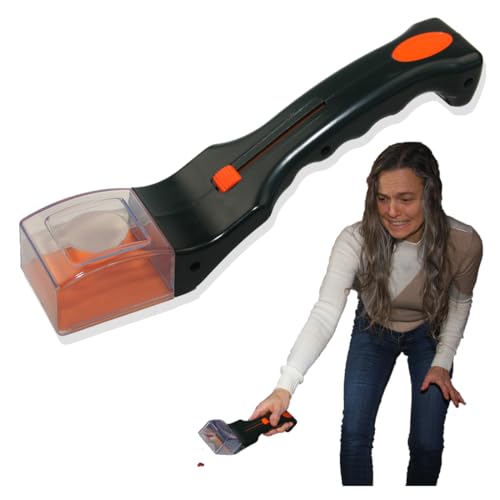
- Reusable cockroach catcher live roach outdoors
- Deterrent door sweeps and sealant for gaps
- Non-toxic baits and attractants (optional, if used strictly for capture)
- Measuring tape or ruler for identifying entry points
- Garbage bags and sanitizer for quick cleanup

Before You Start
Assess the space for potential roach hotspots: kitchens, bathrooms, and areas with accessible moisture. Wear gloves during handling of captured roaches and sanitizing traps. Plan to relocate captured cockroaches outdoors away from living spaces, following local guidelines. Allow 1–2 weeks for noticeable results, with ongoing prevention efforts for long-term success.
Safety notes: avoid mixing traps with food prep surfaces, and keep non-target animals away from bait stations. Prepare a sheltered outdoor area for releasing captured roaches if you choose the catch-and-release method.
Step-By-Step: How To Use Humane Traps For Cockroaches
- Identify high-traffic roach zones by inspecting under sinks, behind appliances, and in cupboards.
- Place humane live capture traps near these hotspots, ensuring lids are secure and accessible for easy release.
- Check traps every 6–12 hours and at night when roaches are most active.
- Gently transfer captured cockroaches to a release container, using minimal handling to reduce stress.
- Relocate roaches outdoors in a shaded area away from doors and windows to minimize return risk.
- Clean the capture area, wipe down surfaces, and remove crumbs, spills, and standing water to deter re-entry.
- Seal obvious entry points with caulk or weatherstripping to block escape routes.
- Trim vegetation and store pantry items in sealed containers to reduce attractants.
- Establish a routine: weekly trap checks and targeted cleaning to prevent buildup.
- Consider adding door sweeps and sealing gaps around pipes and outlets for added protection.
- Educate household members about not leaving food exposed and cleaning up after meals promptly.
- Maintain outdoor release areas if using catch-and-release to avoid reintroduction into the home.
Troubleshooting
| Symptom | Likely Cause | Fix | Prevention |
|---|---|---|---|
| Roaches continue returning after release | New roaches enter from unsealed gaps | Seal gaps and improve doorway weatherstripping | Routine area maintenance and ongoing sealing |
| Traps not catching any roaches | Insufficient bait or trap placement | Move traps to known activity zones and refresh attractants | Regular site checks and repositioning |
| Excess roaches near a trap | High moisture and food availability | Eliminate water sources, clean thoroughly | Consistent sanitation and moisture control |
| Non-target animals attracted | Trap placement too exposed | Relocate traps to protected indoor-adjacent areas | Secure traps away from pets and children |
Common Mistakes
- Relying solely on traps without addressing food and moisture sources
- Using lethal pesticides in conjunction with humane traps, which defeats the purpose
- Overlooking entry point sealing, leading to ongoing reinfestation
- Neglecting regular check-ins and maintenance of traps
Humane solutions work best when paired with consistent cleaning routines and structural improvements. A holistic approach reduces the likelihood of roaches returning.
Tips For Best Results
- Place traps along walls and in corners where roaches travel, not in open spaces.
- Label traps with the date of placement to track effectiveness and replace as needed.
- Use reusable cockroach catcher live roach outdoors for easy relocation and repeated use.
- Combine with moisture control: fix leaks, run exhaust fans, and use dehumidifiers in damp areas.
- Coordinate with neighbors if you share walls; roach issues often cross unit boundaries.
Call A Professional
Seek professional help if the infestation is large, pressure persists after several weeks of humane trapping, or signs of damage appear (uneaten food, gnaw marks, droppings). Stop using traps if you suspect a hidden nest or if roaches appear to be spreading to new areas. A licensed pest control expert can offer integrated strategies that complement humane traps and prevention measures.
FAQ
What makes a trap truly humane for cockroaches?
Traps that capture roaches alive without injury, and allow safe outdoor release, are considered humane.
Can I release captured roaches in any outdoor area?
Relocate roaches to an appropriate outdoor habitat away from living spaces, ensuring it is legal and safe.
Will these methods work in a severe infestation?
These methods are most effective as part of a broader plan that reduces food, water, and entry points; severe infestations may require professional assistance.
How often should I check humane traps?
Check traps every 6–12 hours, especially during peak roach activity times.
Are there any risks to using humane traps around children or pets?
Place traps in locations inaccessible to kids and pets to prevent accidental exposure.
Is catch-and-release always necessary?
Catch-and-release is an option; otherwise, humane relocation to outdoor habitats can still reduce indoor roach presence.
Buying Guide
When selecting humane cockroach traps and related gear, consider size, placement, and ease of use. Look for traps labeled for live capture and easy release, and confirm that they are reusable for ongoing prevention. Consider models designed for outdoor use if you plan to relocate roaches outdoors, and ensure compatibility with your home layout to maximize effectiveness.
Buying Guide: Key Factors To Consider
- Size and capacity: Choose traps that fit known roach activity zones and can capture multiple specimens at once.
- Noise and odor: Opt for silent, odor-free traps suitable for indoor use and compliant with living spaces.
- Energy efficiency and maintenance: Reusable designs save money and reduce waste; check cleaning requirements.
- Controls and usability: Look for straightforward operation, clear release mechanisms, and easy monitoring.
- Placement flexibility: Select traps that can be used indoors near entry points or outdoors near potential habitats.
For a humane approach to roach management, balance trap use with consistent cleaning, moisture control, and structural sealing. If options feel overwhelming, start with a small set of live capture traps and expand as you observe roach activity. The goal is a cleaner, safer home without harming the pests.
Leave a Reply