How to Clean a Cantaloupe
Cleaning cantaloupes properly helps remove surface residues, bacteria, and pesticides from the rind before slicing and serving. This guide provides practical steps using common kitchen tools to ensure your fruit is clean and safe to eat.
Quick Answer
Rinse the cantaloupe under cool running water, scrub the rind with a soft-bristle brush, dry with a clean towel, and then cut away the portion you’ll eat. Always wash your hands before and after handling produce to prevent cross-contamination.
What You’ll Need
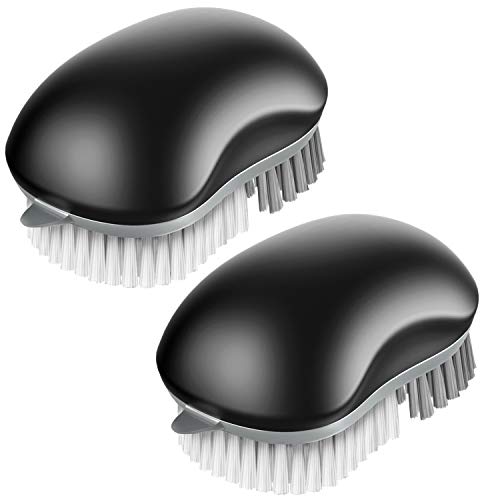
- Produce scrub brush with soft bristles
- Stainless steel handle fruit and vegetable cleaning brush
- Melon cantaloupe cleaning tool scrub brush


Before You Start
Prepare a clean workspace and have a dry towel handy. Avoid washing cantaloupes with soap or detergents on the rind, which can leave residues on the food. Plan for a quick rinse followed by gentle scrubbing. Time estimate: about 3–5 minutes per melon.
Step-By-Step: How To Clean A Cantaloupe
- Rinse the cantaloupe under cool, running water to remove visible dirt.
- Place the fruit on a clean cutting board to provide a stable work surface.
- Hold the cantaloupe with one hand and use a soft-bristle brush to scrub the rind in a circular motion.
- Focus on the ridges and netted pattern where dirt can lodge, applying gentle pressure to avoid bruising.
- Rinse the rind again after scrubbing to wash away loosened debris and any loose fibers.
- Pat the cantaloupe dry with a clean towel or allow it to air-dry briefly on a clean surface.
- Use a sharp knife to carefully cut away the stem end and rind, starting from the top and following the contour of the melon.
- Inspect the exposed flesh for any remaining skin or blemishes and trim as needed.
- Wash your knife and cutting board with hot, soapy water after handling the rind to prevent cross-contamination.
- Store cut cantaloupe in an airtight container in the refrigerator and consume within 3–5 days.
- If using a reusable brush, rinse thoroughly and let it air-dry completely before storage.
- Discard any cantaloupe with a foul odor, mold, or a soft, discolored area beyond normal rind texture.
Troubleshooting
| Symptom | Likely Cause | Fix | Prevention |
|---|---|---|---|
| Residue remains after washing | Rinse water not cool enough or brushing too gently | Rinse with cooler water and scrub a bit firmer, then rinse again | Pre-rinse under running water before scrubbing |
| Rind feels slick after scrub | Too much water on the surface or not drying | Dry with a clean towel immediately | Pat dry and air-dry briefly |
| Bruising when cutting | Too much pressure during scrubbing or cutting | Use light to moderate pressure and a sharp knife | Support the fruit while cutting |
| Unpleasant odor from cantaloupe | Overripe or spoiled fruit | Discard and choose a fresher melon | Check ripeness before purchase |
Common Mistakes
- Using hot water on a delicate cantaloupe rind, which can cause peeling or damage
- Forgetting to dry the rind after washing, which may transfer moisture to the cutting surface
- Using the same brush for raw produce and ready-to-eat products without cleaning
- Cutting into the rind too aggressively, leading to waste and potential contamination
Tips For Best Results
- Choose a soft-bristle brush to avoid abrading the rind while still removing dirt
- Rinse before scrubbing to loosen surface debris
- Store the whole melon in a cool place if not consuming immediately, but refrigerate cut portions promptly
- Consider labeling your storage containers with dates to track freshness
- If you don’t have a dedicated fruit brush, a clean kitchen sponge can be a short-term substitute, but avoid using abrasive pads
Call A Professional
For routine household cleaning of cantaloupes, a professional is not typically required. Seek professional guidance if you notice persistent mold growth on the rind, unusual odors after washing, or if you handle produce for a business or food-service setting and require standardized cleaning protocols.
FAQ
Is it safe to wash cantaloupe with soap?
No. Soap residues can remain on the rind and transfer to the edible flesh; rinse with clean water only.
How long should I rinse a cantaloupe?
Rinse for about 15–30 seconds under cool running water before scrubbing.
Can I reuse the cleaning brush?
Yes, if washed thoroughly with hot water and dried completely after each use.
What’s the best way to store cut cantaloupe?
Keep it in an airtight container in the refrigerator and consume within 3–5 days for best quality.
Buying Guide
When choosing a cantaloupe cleaning setup and related tools, consider size, ergonomics, and durability. A soft-bristle brush with a comfortable handle helps reduce hand fatigue during scrubbing, while a stainless steel handle can offer sturdy grip and easy cleaning. Look for tools that are easy to sanitize and dishwasher-safe if possible.
Size and shape of the tool should match your hand size and kitchen space. A compact brush is convenient for small kitchens, whereas a longer handle can help reach around larger melons. For energy efficiency and simplicity, manual brushes require no power and are inexpensive to maintain.
Placement matters for easy access: store brushes near the sink or in a dedicated caddy. If you prepare produce regularly, consider a multi-brush set to handle different fruits and vegetables while avoiding cross-contamination.
Control and material quality influence durability. Stainless steel handles resist rust and can be cleaned thoroughly, but ensure the brush head is securely attached. Finally, assess cleaning performance via user reviews and materials used in food-contact tools to ensure safe, reliable use.
Leave a Reply