How to Clean Pollen Off a Porch Efficiently
Pollen buildup on an outdoor porch can create a dusty, itchy mess and make surfaces look worn. With the right tools and a simple routine, homeowners can remove pollen without damaging wood, grout, or concrete. This guide walks through practical methods that work for typical American porches, from light dusting to deep cleaning after seasonal pollen surges.
Whether you’re preparing for guests, clearing after a windy spring, or maintaining a weekend porch, these steps help restore a fresh, inviting entryway. The methods emphasize safe, effective approaches for common porch materials and weather conditions.
Quick Answer
Best quick method: Use an outdoor broom with soft bristles to sweep loose pollen, then rinse with a garden hose or a short spray from a pressure washer nozzle for patio cleaning pollen off porch. For stubborn buildup, a telescoping patio cleaning brush helps reach higher surfaces. Always test a small area first and avoid high-pressure settings on delicate surfaces.
What You’ll Need
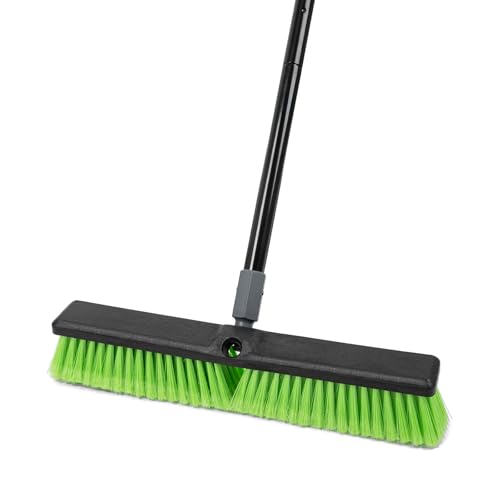
- Outdoor porch broom with soft bristles
- Telescoping patio cleaning brush pollen removal
- Pressure washer nozzle for patio cleaning pollen off porch
- Garden hose with spray nozzle
- Bucket of water and mild detergent (optional)


Before You Start
Assess the porch surface: wood, concrete, or tile each reacts differently to moisture and pressure. Wear protective gear such as gloves and eye protection, and avoid cleaning during rain or high winds to prevent pollen from dispersing. Check for loose boards, cracks, or warning signs of wear that could worsen with cleaning. Plan a cleaning window of 30 minutes to a couple of hours depending on surface area and pollen level.
Surface prep matters: clear furniture, mats, and planters. Close doors to prevent pollen from drifting indoors. If plants around the porch shed heavy pollen, consider shielding plants during cleaning to reduce exposure to runoff.
Step-By-Step: How To Clean Pollen Off A Porch
- Begin with a dry sweep using the outdoor porch broom with soft bristles to remove loose pollen and debris from the top layer.
- Extend the reach with a telescoping patio cleaning brush pollen removal to tackle corners, railings, and latticework.
- Rinse the porch surface with a garden hose to wash away loosened pollen, starting from the highest areas and moving downward.
- If stains or stubborn pollen residues remain, mix a mild detergent with water in a bucket and scrub gently with the brush, then rinse again.
- For larger surfaces or scuffed concrete, use a pressure washer nozzle for patio cleaning pollen off porch at a low to moderate setting to avoid surface damage, then rinse thoroughly.
- Allow the porch to air dry completely before moving furniture back into place to prevent damp, musty odors.
- Inspect railings and steps for remaining pollen and repeat targeted steps as needed for a uniform finish.
- Consider setting a regular cleaning schedule during peak pollen season to minimize buildup and maintain curb appeal.
- Store cleaning tools in a dry, sheltered area to extend their life and readiness for the next cleaning cycle.
- Dispose of collected pollen and debris in a trash bin or compostable area away from garden beds to prevent recontamination.
- If you use a detergent, ensure it is rinsed away completely to protect plants and pets from chemical exposure.
Troubleshooting
| Symptom | Likely Cause | Fix | Prevention |
|---|---|---|---|
| Pollen reappears within days | Wind-driven pollen or nearby trees | Wash regularly during peak season and consider a sealant on wooden porches | Schedule brief cleanings after windy days |
| Streaks or water spots after rinsing | Uneven application of water or detergent | Rinse slowly from top to bottom in even strokes | Use a wide spray pattern and multiple passes |
| Surface discoloration after pressure washing | Overly high pressure on delicate surfaces | Lower the PSI and adjust nozzle | Test a small area first |
| Brushing damages wood or grout | Hard bristles or aggressive scrubbing | Switch to soft-bristle brush and gentle scrubbing | Use minimal pressure and short, light strokes |
Common Mistakes
- Relying on a single heavy rinse without loosening pollen first, which can push pollen into cracks.
- Using stiff brushes on wood or delicate tile, causing scratches.
- Cleaning in direct sun on a hot surface, which can dry detergents quickly and leave residue.
- Neglecting to protect nearby plants and edging from runoff and soap residue.
Tips For Best Results
- Clean after a rain shower when pollen has already begun to loosen, reducing effort.
- Start with dry sweeping to minimize water use and debris scattering.
- Use the telescoping patio cleaning brush pollen removal for high corners and below railings to improve coverage.
- For stubborn patches, a light detergent solution helps, but always rinse thoroughly to prevent residue.
- Schedule seasonal maintenance before heavy pollen weeks to keep porches welcoming and clean.
Call A Professional
Consider contacting a professional if the porch surfaces show persistent staining, damage, or porous materials that hold pollen in grain or grout. Seek help when cleaning requires climbing ladders, working near electrical outlets, or accessing high porch ceilings. If rain or extreme weather interrupts the cleaning window, a pro can safely perform a thorough restore without risking surface damage.
FAQ
Can I use bleach to remove pollen?
Bleach is generally not recommended for outdoor porch surfaces due to potential damage and runoff. Use mild detergents or a dedicated outdoor cleaner instead.
Will pressure washing harm wooden porches?
Yes, excessive pressure can gouge wood. Use a low PSI setting and a fan or wide nozzle, and test on a small area first.
How often should I clean pollen off a porch?
Light maintenance can be done weekly during peak pollen season, with a deeper clean every few weeks as needed.
Are there eco-friendly pollen cleaning options?
Yes, choose biodegradable, plant-friendly cleaners and minimize chemical use; a simple soap and water solution often suffices.
Buying Guide
When selecting tools to tackle porch pollen, consider the following factors to optimize performance and value:
- Size and reach: A telescoping brush extends reach to upper railings and ceilings, reducing the need for ladders.
- Bristle type: Soft-bristle brushes protect surfaces and remove pollen without scratching.
- Cleaning method: A combination of sweeping, rinsing, and optional gentle brushing covers most scenarios.
- Water source compatibility: Ensure hoses and nozzles fit your outdoor faucet and maintain adequate water pressure.
- Noise and energy considerations: Electric or gas-powered pressure washers vary in noise; match to the noise tolerance of your living area.
- Placement and storage: Store tools in a dry area near the entryway for quick access during peak pollen times.
For most porches, a lightweight broom, a telescoping brush, and a garden hose with a quality nozzle deliver strong results. If stubborn pollen sticks to concrete or stone, a low-pressure washer nozzle can save time. Consider your porch material and weather patterns when choosing a kit, and tailor your routine to seasonal pollen cycles. Ready-to-use tool sets with these components can streamline maintenance and keep entryways inviting through spring and beyond.
Leave a Reply