How to Get Rid of Burnt Taste in Sauce
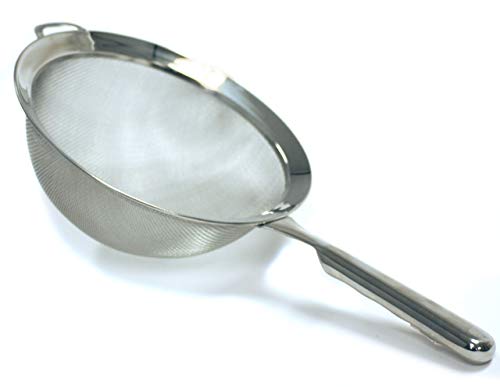
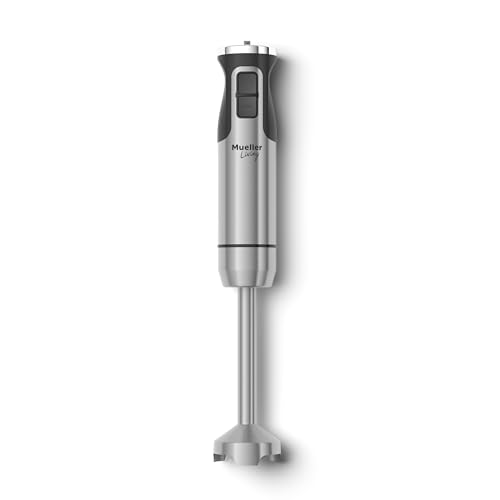
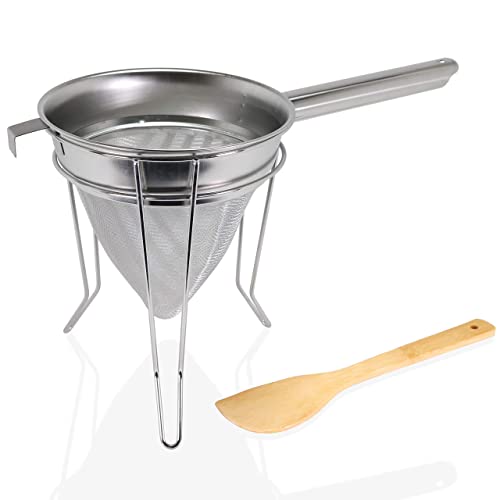
Burnt flavors in sauces can ruin a dish, but the problem is often reversible with a few practical techniques. This guide explains proven methods to neutralize burnt notes, using common kitchen tools such as a stainless steel fine mesh strainer 8 inch for sauces, an immersion blender stainless steel for sauces, and a conical chinois sauce strainer fine mesh for reducing burnt flavors. Follow the steps below to restore sweetness, brightness, and balance without waste.
Quick Answer
Quick fix: If a sauce tastes burnt, strain immediately to remove charred bits, then deglaze or add acidity, sweetness, and aromatics. For thicker sauces, a conical chinois sauce strainer helps remove fine burnt particles. When the flavor persists, use a gentle blend to recombine and rebalance.
What You’ll Need
- Stainless steel fine mesh strainer 8 inch for sauces
- Immersion blender stainless steel for sauces
- Conical chinois sauce strainer fine mesh for reducing burnt flavors
- Fine-searchable spoon or spatula for pressing and scraping
- Fresh acidity options (lemon juice, vinegar)
- Balanced sweeteners (sugar, honey, or mirin) in small amounts
- Neutral liquid to adjust consistency (water, stock)
Before You Start
Before attempting to rescue a burnt-tavored sauce, ensure you’re working in a well-ventilated area and have clean utensils. Avoid rushing the straining process—burnt particles cling to the bottom of the pan and can reintroduce bitterness. Estimate total time: 10–20 minutes for most corrections, longer for thick sauces. Prepare tasting spoons, and keep a backup batch separate in case the first correction overdoes it.
Step-By-Step: How To Get Rid Of Burnt Taste In Sauce
- Skim the surface and smell the aroma to confirm the burnt note. If the scent is mild, proceed to strain.
- Turn off heat and ladle the sauce slowly into a stainless steel fine mesh strainer 8 inch for sauces to catch all burnt bits.
- Press gently with a spatula to extract as much liquid as possible without forcing burnt sediment through the mesh.
- Return the strained sauce to a clean pan. If the color remains dark, deglaze the pan with a small splash of water or stock to lift remaining roasted flavors.
- Balance the acidity by adding a small amount of fresh lemon juice or vinegar. Taste after each addition to avoid over-souring.
- Introduce a touch of sweetness if needed. A little sugar, honey, or mirin can help mask bitterness without overpowering the sauce.
- If the texture is too thin, simmer gently to reduce and concentrate flavors. If too thick, whisk in a small amount of stock or water while heating gently.
- For stubborn burnt notes, use an immersion blender stainless steel for sauces to emulsify and rebalance the sauce, then strain again through the conical chinois sauce strainer fine mesh for reducing burnt flavors to remove any remaining particulates.
- Taste before serving. If needed, adjust salt and seasoning to restore balance after acidity and sweetness tweaks.
- Cool and store any leftovers in a clean container. Label with date and flavor notes for future use.
- Review the cooking process to prevent future burning: use lower heat, stir more frequently, and consider pre-dissolving thick pastes before adding liquids.
- Reflect on alternatives in sauces that may benefit from a fresh base if the burnt flavor cannot be fully corrected.
Troubleshooting
| Symptom | Likely Cause | Fix | Prevention |
|---|---|---|---|
| Persistent burnt taste after straining | Burnt bits remained in the sauce | Repeat strain with finer filter; add acidity and sweetness gradually | Stir frequently, monitor heat, use a heavier pot |
| Dark color but flat flavor | Lack of brightness; over-reduction | Add fresh acid, aromatics, and a splash of stock | Limit reduction; build flavor in stages |
| Texture too thin after adding deglaze | Over-deglazed or too much liquid | Reduce again or whisk in a slurry of cornstarch or roux | Add liquid gradually and monitor thickness |
| Smoky bitterness | Burnt notes from the pan surface | Deglaze and rinse pan before reuse | Use nonstick or enameled cookware for delicate sauces |
Common Mistakes
- Over-reliance on raw sweetness to mask bitterness instead of balancing with acid and salt
- Using burnt pan fond directly back into the sauce without straining
- Rushing the straining step, allowing fine bits to pass through
- Assuming a burnt flavor cannot be corrected and discarding the batch
Tips For Best Results
- Choose the right tool: a conical chinois sauce strainer fine mesh for reducing burnt flavors helps remove the finest particles that standard strainers miss.
- Always strain after deglazing to capture char from the pan and prevent returning bitterness.
- Adjust acidity first; minor tweaks in lemon juice or vinegar often rebalance the flavor better than extra sugar.
- Keep a small reserve of stock to adjust texture without diluting flavor excessively.
- For thicker sauces, a quick pass through an immersion blender can help rebuild mouthfeel when used judiciously.
Call A Professional
Seek professional help if the burnt flavor persists after multiple corrections, especially for high-stakes sauces (restaurant productions, large batches, or delicate bases like dairy-heavy sauces). Signs to call a pro include persistent off-notes despite standard corrections, or if the sauce contains burnt residue that a home kitchen tools cannot remove effectively.
FAQ
Can I still use a sauce that tastes burnt?
Yes, many burnt flavors can be corrected with straining, balancing, and careful reheating.
Which tool best removes burnt flavors?
The conical chinois strainer excels at removing tiny burnt particles, while an immersion blender helps rebalance texture.
Is adding acid always helpful?
Acid adds brightness and can counteract bitterness; add gradually and taste often.
What if the sauce is dairy-based and burnt?
Strain and re-emulsify with care; avoid overheating dairy to prevent curdling, and adjust with gentle heat and stabilizers.
Buying Guide
When choosing gear to prevent and fix burnt flavors in sauces, consider these factors:
- Size and capacity: A nonstick or wide pan is easier to control, along with an 8-inch stainless steel fine mesh strainer that fits most sauce batches.
- Noise level and ease of cleaning: Stainless steel tools should be easy to rinse; look for dishwasher-safe options if possible.
- Energy efficiency and heat control: Induction-ready pots and consistent heat help prevent burning from scorching at the bottom.
- Controls and versatility: An immersion blender stainless steel for sauces adds blending versatility without transferring heat to a bulk blender.
- Placement and storage: Compact tools save cabinet space; consider nested sets for a unified setup.
Whether you’re rescuing a sauce after a small scorch or planning for future perfect batches, having the right tools—especially a conical chinois sauce strainer fine mesh for reducing burnt flavors and a reliable immersion blender stainless steel for sauces—can make a notable difference in outcomes and confidence in the kitchen.
Leave a Reply