How to Detail Clean a Car
Detailing a car involves more than a quick wash. It combines proper washing, decontaminating the paint, protecting the finish, and brightening the interior. A well-executed detail not only improves appearance but also helps preserve value and longevity.
This guide walks American readers through a practical, step-by-step process using common detailing tools, including a 6 inch random orbital polisher kit, a clay bar kit with microfiber towels, and a dedicated microfiber drying towel. Follow the steps in order for best results.
Quick Answer
Follow these core steps: wash with two-bucket method, decontaminate with a clay bar, polish with a random orbital polisher, seal or wax for protection, then dry with a microfiber towel. Finish by cleaning the interior surfaces and protecting them as needed.
What You’ll Need
- Two buckets and grit guards for safe washing
- Car wash soap and a wash mitt or sponge
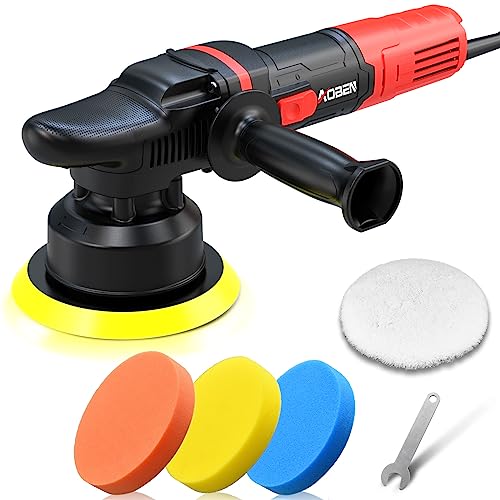
- 6 inch random orbital polisher car detailing kit
- Car detailing clay bar kit with microfiber towels
- Microfiber drying towel 24×36 car detailing
- Microfiber towels for interior and glazing
- Spray detailing product and optional paint sealant


Before You Start
Assess the paint condition and choose products suited to the vehicle’s finish. Prepare a clean, shaded workspace to prevent water spots and sun-loving products from drying too quickly. Time estimate: about 2–4 hours for a complete exterior and interior detail, depending on the vehicle size and condition. Safety first: wear gloves if you have sensitive skin, avoid abrasive motions on edges, and keep electrical devices away from water.
Step-By-Step: How To Detail Clean A Car
- Rinse the car to remove loose dirt and reduce scratching risk. Start from the top and work downward.
- Wash using a two-bucket method: one with clean soapy water and one with rinsed water. Use a microfiber wash mitt and frequently rinse the mitt in the rinse bucket.
- Rinse again to remove all soap, then dry with a microfiber drying towel 24×36 car detailing to minimize water spots.
- Use the car detailing clay bar kit with microfiber towels to decontaminate the paint. Work in small sections with light pressure and lubricating spray until the surface feels smooth.
- Polish using the 6 inch random orbital polisher car detailing kit. Apply a small amount of polish to the pad, use slow, overlapping passes at the appropriate speed setting, and check for swirls or haze after each area.
- Wipe away residue with a clean microfiber towel. If needed, repeat polishing on stubborn swirls or light scratches, then remove any remaining residue.
- Apply a protective layer: use a paint sealant or wax according to product directions. Work in small sections, allow cure time as recommended, and buff to a gloss with a clean microfiber pad or towel.
- Targeted interior detailing: vacuum, wipe surfaces with a suitable cleaner, treat leather or vinyl per material guidelines, and protect with a vinyl-safe conditioner if required.
- Finish by performing a final wipe-down of the exterior and interior surfaces. Inspect the finish from multiple angles for stray spots or missed areas.
- Reassess and store tools properly. Clean and dry pads, brushes, and towels before putting them away to extend their life.
- Regular maintenance tips: wash regularly, reprotect as needed, and address contaminants promptly to keep the finish looking fresh.
Troubleshooting
| Symptom | Likely Cause | Fix | Prevention |
|---|---|---|---|
| Hazy or smeary finish after polishing | Residue left on surface | Wipe with a clean microfiber towel and re-polish lightly | Use fresh towels and proper pad conditioning |
| Swirls remain after clay bar treatment | Insufficient lubrication or contamination | Re-lubricate and re-clay in small sections | Use correct clay bar for the paint type |
| Water spots after drying | Drying while surface is hot or sun-exposed | Dry in shade and use a rapid drying towel | Dry promptly after washing |
| Streaks on glass or trim | Cleaner residue or improper wipe | Use a dedicated glass cleaner and microfiber | Wipe with a fresh microfiber in a single pass |
Common Mistakes
- Using dirty towels that induce scratches or marring
- Washing in direct sunlight or on hot panels
- Skipping the clay bar step, leaving bonded contaminants behind
- Overusing product in one area, causing buildup
- Neglecting interior protection after cleaning
Tips For Best Results
- Inspect lighting: shine a bright light at an oblique angle to reveal swirls and contaminants.
- Work with a cool surface to avoid water spotting and product baking on paint.
- Use the orbital polisher with the correct pad for your task—soft pads for polishing, firmer ones for sealing if applicable.
- Keep a dedicated set of towels for exterior and interior to prevent cross-contamination.
- Test a small hidden area first when using new products to ensure compatibility with your vehicle’s finish.
Call A Professional
Consider a pro if the paint shows deep scratches, heavy oxidation, or clear coat issues, or if the interior has persistent odors, stains, or mold. Stop and seek expertise if:
- Paint has deep adhesion issues or manufacturing defects
- Vinyl or leather surfaces show cracking or heavy wear
- Electrical components show signs of moisture or water intrusion
FAQ
What is the best order for detailing a car?
Wash, decontaminate with clay, polish, protect with sealant or wax, and finally address the interior.
Can I use household products for detailing?
It’s best to use dedicated car detailing products designed for paint and fabrics to avoid damage.
How often should I detail my car?
Full exterior detailing every 3–6 months and interior cleaning monthly or as needed helps maintain condition.
Do I need a clay bar if the car looks clean?
Yes. Clay bars remove embedded contaminants that washing alone cannot reach, improving finish and paint longevity.
Is polishing necessary if the car is already shiny?
Polishing helps remove micro-scratches and prepares a smooth surface for protective coatings, enhancing longevity and gloss.
Can I use a random orbital polisher on all finishes?
Most modern clear coats react well to orbital polishers, but always follow manufacturer guidelines and test a small area first.
Buying Guide
Choosing the right tools influences results. Consider the following factors to compare options and select a kit that fits the vehicle and user experience:
- Size and power: A 6 inch random orbital polisher is versatile for most vehicles. Look for variable speed control and a comfortable grip.
- Noise and vibration: Some polishers run louder or vibrate more; check user reviews for real-world comfort on lengthy sessions.
- Energy efficiency: While detailing tools are not large energy consumers, efficiency and motor protection features can extend life and performance.
- Controls: Ease of use matters—single-speed vs. adjustable speed, switch placement, and included backing plates.
- Materials and compatibility: Ensure the clay bar kit includes microfiber towels suitable for your finish, and that polishing pads match your vehicle’s paint.
- Placement and storage: Choose compact storage solutions for a clean workspace, and label towels to prevent cross-use between exterior and interior products.
- Accessory ecosystem: A complete kit with pads, sprays, and towels reduces the need for additional purchases.
With the right kit and a methodical approach, detailing a car becomes a repeatable routine. Are you ready to transform dull paint into showroom-like gleam and refresh interior surfaces for a crisp, fresh feel?
Leave a Reply