How to Clean Brass Faucets for a Bright, Lasting Shine
Brass faucets add a warm, classic touch to kitchens and bathrooms, but their finish can quickly lose luster from mineral buildup, fingerprints, and daily use. With the right cleaning routine, you can restore shine, protect the patina, and keep hardware looking fresh for years. This guide walks through practical steps, from prep to maintenance, using common tools and a brass-specific kit approach.
Below you’ll find a concise plan that covers selecting the right products, safe cleaning techniques, and common troubleshooting tips to avoid damage. It’s written for homeowners who want solid results without specialized equipment.
Quick Answer
For most brass faucets, start with a gentle cleaner and soft brush, then finish with a dedicated brass polish to seal the finish. Use a brass cleaning kit with polish and brush for best results, followed by a dedicated brass tarnish remover kit for tougher spots if needed.
What You’ll Need
- Brass faucet cleaning kit with polish and brush
- Brass tarnish remover kit for faucets
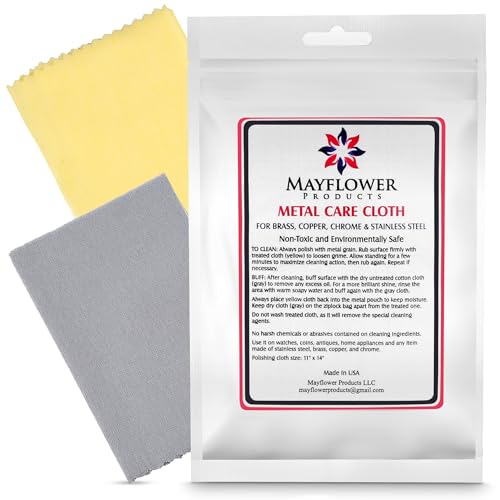
- Brass polishing cloth and brush set for faucet cleaning
- Soft microfiber cloths
- Non-abrasive sponge
- Protective gloves (optional)


Before You Start
Prepare a clean, ventilated workspace and protect nearby surfaces with a soft cloth or towel. Test cleaners on a small, inconspicuous area of the faucet to ensure no adverse reaction. Avoid abrasive pads or harsh acidic cleaners that can scratch or dull brass finishes. Time estimate for a typical faucet: 20–40 minutes depending on buildup. Important: do not use chlorine-based cleaners on brass, as they can corrode the metal and sealants over time.
Step-By-Step: How To Clean Brass Faucets
- Detach any removable parts, such as aerators, if possible, and set aside for separate cleaning.
- Wipe the faucet with a dry microfiber cloth to remove loose dust and fingerprints.
- Apply a small amount of the brass faucet cleaning kit cleaner to a soft brush or cloth and gently scrub in circular motions.
- Rinse with clean water or wipe away with a damp cloth to remove cleaner residues.
- Dry the surface thoroughly with a soft, dry cloth to prevent water spots.
- Use the included brass polish to buff the faucet until a warm luster returns, following the grain of any design detail.
- Reattach removed parts and wipe them clean; polish any exposed metal for uniform shine.
- For stubborn tarnish, apply a brass tarnish remover kit for faucets per package directions, then repeat polishing steps.
- Inspect for remaining dull areas and touch up as needed with a polishing cloth.
- Finish with a light wipe of a sealant or polish to extend the shine and provide a protective layer.
- Document a simple maintenance plan: wipe weekly, deep-clean monthly, and address mineral buildup promptly.
Troubleshooting
| Symptom | Likely Cause | Fix | Prevention |
|---|---|---|---|
| Dull, cloudy finish after cleaning | Residue from cleaners or inadequate rinsing | Rinse thoroughly and buff with a clean cloth | Rinse immediately after cleaning; use minimal cleaner |
| Scratches or micro-scratches visible | Abrasive tools or harsh cleaners | Switch to non-abrasive brushes and milder cleaners | Avoid steel wool and rough sponges |
| Uneven shine or streaks | Improper drying or residue | Dry with microfiber in a single pass, then buff | Dry promptly after cleaning |
| Discoloration after tarnish removal | Over-treating or incompatible finishes | Follow product directions precisely; test first | Check compatibility with brass finish |
Common Mistakes To Avoid
- Using abrasive pads or steel wool which scratch brass finishes
- Letting cleaners sit too long or using acidic agents on lacquered brass
- Over-polishing the same spot, leading to uneven tones
- Neglecting to rinse and dry, which creates water spots and buildup
Staying consistent with a gentle routine will preserve the brass’s warmth and prevent damage over time.
Tips For Best Results
- Test any cleaner on a small area before full application
- Use soft, lint-free towels for drying and buffing
- Apply cleaners with the grain of any etched or decorative design
- Work in a shaded area to avoid water spotting from sunlight
- Store cleaning products out of reach of children and pets
Call A Professional
Consider a professional if the brass shows deep patina, extensive pitting, or if the faucet is historic or has delicate trims. Seek help if you notice corrosion, loose faucet components, or a finish that flakes after cleaning. For household repairs beyond routine cleaning, a licensed plumber or hardware specialist can assess structural issues and advise on refinishing options.
FAQ
Can I use lemon juice on brass faucets?
Citric acid can help with tarnish but may be too harsh for some finishes; test on a small area first and dilute with water if used.
Is a brass tarnish remover safe on lacquered finishes?
Check the product label; some tarnish removers are formulated for bare brass and can damage lacquer.
How often should I clean brass faucets?
Wipe weekly to remove fingerprints; perform a deeper clean every 1–2 months depending on water quality.
Should I polish after every cleaning?
Polishing helps maintain shine, but excessive polishing can wear down protective coatings; aim for periodic polishing rather than daily use.
What about mineral buildup from hard water?
Use a soft brush and a gentle mineral-removal step, then rinse thoroughly to prevent new buildup.
Buying Guide
When choosing products and tools for brass faucet care, consider size, finish compatibility, and ease of use. Look for kits specifically labeled for brass and faucets, including a safe polish, a gentle brush, and optional tarnish removers. For households with hard water, a tarnish remover that targets mineral deposits can save time. Noise level and energy use are not typically concerns for cleaning tools, but choose compact, easy-to-store items for routine maintenance. Evaluate how the kit handles tight seams and curved spouts, and verify the components work with your faucet finish, whether brushed, antique, or polished brass. A practical setup includes a cleaning solution, a polishing cloth, and a soft brush, plus a dedicated tarnish remover for stubborn spots. A clear maintenance plan helps extend the life and luster of brass faucets, keeping them looking bright without frequent refinishing. Would you prefer a compact kit for small bathrooms or a deeper kit for frequent cleanings in kitchens with high mineral content? Consider your water quality, faucet material, and how often you want to perform upkeep to choose the right option.
Leave a Reply