How to Get Rid of Bad Smell From Blankets
Blankets can accumulate odors from sweat, mold, pets, and laundry residue. A fresh-smelling blanket enhances comfort and rest. This guide offers a practical, step-by-step approach using common household items and specifically recommended odor control products to refresh blankets effectively.
By following a structured cleaning routine, homeowners can extend blanket life and maintain a clean sleeping environment. The methods below focus on safety, efficiency, and results that work for most fabrics while avoiding harsh chemicals on delicate materials.
Quick Answer
Do a thorough wash with a scent-neutral detergent, then treat persistent odor spots with an enzyme deodorizer spray or fabric freshener. For lingering smells, a targeted booster can help, followed by air drying in a sunny or well-ventilated area.
What You’ll Need
- Odor eliminator laundry booster for smelly blankets
- Enzyme deodorizer spray for bedding and blankets
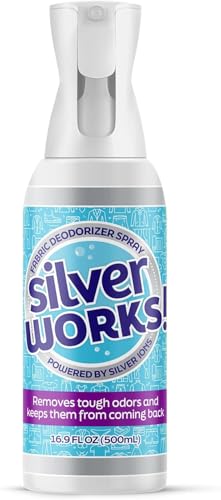
- Fabric freshener spray for blankets bedding odor remover
- Common laundry detergent appropriate for blankets
- Optional white vinegar or baking soda for pre-soak


Before You Start
Check care labels on blankets for washing instructions and water temperature limits. Test a hidden fabric spot with any spray to ensure no staining or discoloration. Pre-vent moldy odors by ensuring blankets are fully dry after washing. Do not use chlorine bleach on moisture-prone fabrics as it can damage fibers. Allow the blanket to air dry completely in a sunny or ventilated area to prevent new odors from forming.
Step-By-Step: How To Get Rid Of Bad Smell From Blankets
- Read the care label and select the appropriate wash temperature.
- Pre-treat stubborn odor areas with the enzyme deodorizer spray and let sit for 5–10 minutes.
- Run a regular cycle with your usual detergent, adding the odor eliminator laundry booster for smelly blankets in the appropriate compartment.
- If the blanket tolerates it, add a small amount of white vinegar to the rinse cycle for extra deodorizing power.
- After washing, run a second rinse if your machine allows, ensuring all soap residues are removed.
- Shake out the blanket and apply fabric freshener spray to lightly scent the surface without soaking the fibers.
- Air dry the blanket outdoors in direct sun or indoors with good airflow until completely dry.
- For persistent odors, repeat the wash with an enzyme deodorizer spray in place of the fabric softener in a subsequent cycle.
- Store the dry blanket in a clean, dry space to prevent odor recurrence.
- For ongoing odor control, use a light spray of fabric freshener between washes as needed.
- If the smell remains after multiple attempts, consider professional cleaning or inspecting for mold growth behind layers of fabric.
Troubleshooting
| Symptom | Likely Cause | Fix | Prevention |
|---|---|---|---|
| Persistent musty smell after washing | Moisture trapped in fibers | Rewash with extra rinse and extend dry time | Dry fully in sun or with dehumidifier |
| Fabric feels stiff after wash | Overuse of detergent or insufficient rinse | Run an additional rinse cycle; reduce detergent | Use the recommended amount of detergent |
| Discoloration after treatment | Sensitive dye or chemical reaction | Test spot first; avoid concentrated sprays | Follow care label and choose milder products |
| Odor returns within days | Storage environment humid or unclean | Store in a dry, ventilated space; clean storage area | Use breathable storage bags |
Common Mistakes
- Using hot water on delicate fabrics that shrink or pill
- Overloading the washing machine, which prevents thorough rinsing
- Ignoring care labels and using incompatible cleaners
- Relying on sprays alone without washing the blanket
- Skipping complete drying, which invites new odors
Choosing the right combination of wash, booster, and deodorizer spray can simplify odor removal without damaging blankets.
Tips For Best Results
- Pre-spray with an enzyme deodorizer to target organic odors before washing
- Pair a laundry booster with a fresh rinse cycle for deeper deodorizing
- Allow ample air flow during drying; use a clothesline or drying rack in a sunny area
- Consider a routine odor-control spray between washes to maintain freshness
Call A Professional
Stop and seek professional cleaning if:
– The odor persists after multiple cleanings and cycles
– There are visible signs of mold growth behind thick blankets
– The fabric is delicate, has delayed shrinkage, or shows color fading
FAQ
Can I use essential oils to freshen blankets?
Essential oils can perfume blankets but may stain or irritate sensitive skin; use sparingly and test a small area first.
Is it safe to wash all blankets with enzyme sprays?
Most blankets tolerate enzyme sprays, but check care labels and test first on a hidden area.
How often should I deodorize blankets?
Frequency depends on use; a routine wash with odor boosters every few weeks usually suffices.
Can I use a fabric freshener daily?
Light daily sprays are generally safe, but avoid overapplication that could leave residue or attract more dust.
Buying Guide
When selecting products to control blanket odors, consider size, scent strength, and fabric compatibility. Factors to compare include:
- Size and concentration: Choose boosters and sprays sized for your laundry load and fabric type.
- Noise level of devices (if using home appliances like steamers): Look for quiet operation designed for bedrooms.
- Energy efficiency and wash cycle options: Prefer efficient machines and settings that maximize odor removal with minimal energy use.
- Controls and ease of use: Simple, clearly labeled settings help ensure correct application.
- Placement in laundry areas: Keep products away from children and pets; store where they are easily reachable but safe.
For a balanced approach, combine items from the provided product keywords to create a practical odor-removal routine. Consider starting with an odor eliminator laundry booster, followed by an enzyme deodorizer spray for targeted spots, and finishing with a fabric freshener spray to maintain freshness between washes.
Leave a Reply