How to Get Rid of Water Damage in Your Home
Water damage can affect homes of all sizes and ages. This guide provides practical steps, recommended tools, and safety tips to help American homeowners tackle water intrusion effectively and minimize lasting harm.
Whether you are dealing with a flooded basement, a burst pipe, or high humidity, a structured approach saves time and reduces restoration costs. The focus is on clear instructions, trusted equipment, and avoiding common pitfalls that delay drying and remediation.
Quick Answer
Start by stopping the water source if possible, then extract standing water, dry the area thoroughly, and monitor humidity. Use a 70 pint dehumidifier for basement water damage restoration to reduce moisture quickly, plus a wet dry vacuum 5 gallon shop vac for water extraction for initial cleanup. A digital moisture meter for wood concrete mold detection helps verify when moisture levels are safe to proceed with repairs.
What You’ll Need
- 70 pint dehumidifier for basement water damage restoration
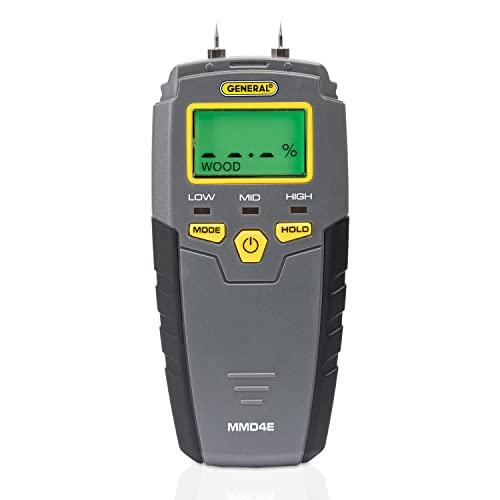
- digital moisture meter for wood concrete mold detection
- wet dry vacuum 5 gallon shop vac for water extraction and cleanup
- paraphernalia for electrical safety (non-contact voltage tester, extension cords as needed)
- protective gear (gloves, eyewear, respirator if mold is suspected)
- fans or air movers to improve air circulation
- methylene or sanitizing solution for cleanup (as advised by local guidelines)


Before You Start
Assess safety risks first. If there is exposed wiring, structural sag, or standing water that obscures hazards, evacuate and call a professional. Wear protective gear and shut off electricity to affected areas at the main panel if you must enter. Document the damage with photos before starting any cleanup.
Plan a time window for drying—most moderate incidents take 24–72 hours, but larger floods can require longer. Clear the space, remove soaked items, and set up a drying perimeter to keep dust and debris contained. Never use heat to dry damp materials as this can warp wood or spread mold.
Step-By-Step: How To Get Rid Of Water Damage
- Identify and stop the source of water to prevent further intrusion, if safe to do so.
- Document the scene with photos and note the extent of moisture and damage.
- Remove standing water with the wet dry vacuum 5 gallon shop vac for water extraction, ensuring power is off and cords are safe.
- Move salvageable items to a dry area and begin cleaning surfaces with appropriate sanitizers.
- Place dehumidification equipment, including the 70 pint dehumidifier for basement water damage restoration, and set up fans to increase air movement.
- Use the digital moisture meter for wood concrete mold detection to monitor moisture levels in walls, floors, and framing.
- Inspect for mold growth; if present or suspected, isolate the area and consider professional remediation.
- Maintain humidity below 50–60% in the affected zone and continue drying until readings stabilize.
- Repair or replace damaged materials once the area remains dry for several consecutive days.
- Prevent future damage by sealing, improving drainage, and addressing any leaks or drainage issues.
- Document final conditions and keep records for insurance and home records.
Troubleshooting
| Symptom | Likely Cause | Fix | Prevention |
|---|---|---|---|
| Persistent high humidity | Insufficient drying or hidden moisture | Increase dehumidification and recheck areas with moisture meter | Address leaks promptly, seal basements, improve ventilation |
| Musty odor | Mold growth or damp fibers | Inspect for mold, clean with appropriate products, consider professional remediation | Dry quickly, control humidity, remove damp materials |
| Water returns after drying | Hidden moisture or structural water intrusion | Reassess area with moisture meter, identify hidden sources | Repair source and ensure thorough drying |
| Electrical hazards | Contact with water near outlets | Turn off power at main panel; call an electrician | Keep water away from electrical systems |
Common Mistakes
- Rushing drying without measuring moisture levels
- Ignoring hidden moisture behind walls and flooring
- Using heat sources to dry damp materials
- Delay in removing contaminated materials or mold-contaminated items
Taking time to measure and document moisture levels helps ensure a complete and safe restoration, reducing repeat incidents.
Tips For Best Results
- Start with a high-capacity dehumidifier and adjust based on readings from the moisture meter.
- Keep doors and windows closed during the drying cycle to maximize humidity control.
- Run continuous moisture checks at multiple points to catch hidden pockets of dampness.
- Tag and separate items by salvageability and mold risk to streamline cleanup.
- Consider professional assessment if the water intrusion is extensive or if structural components are affected.
Call A Professional
Seek professional help when there is structural damage, persistent moisture after several days of drying, or visible mold growth covering large areas. If safety concerns arise, such as flooded electrical systems or sewage-contaminated water, contact licensed contractors immediately.
FAQ
What is the fastest way to remove water from a basement?
Act quickly by extracting water with a wet dry vacuum and drying with a high-capacity dehumidifier and fans.
How do I know when my walls are dry?
Use a digital moisture meter to check moisture levels at multiple depths; stop when readings stabilize near ambient levels.
Can I dry water-damaged wood myself?
Yes, if moisture is monitored and dehumidification is used, but extensive warping or mold may require professional help.
How long does it take to fully restore a water-damaged area?
It varies by severity, but mild cases may resolve in a few days to a week; larger incidents can take weeks.
Should I replace drywall or flooring after water damage?
Only after drying is complete and structural integrity is confirmed; consult a professional for material decisions.
What if I smell mold but can’t see it?
Mold can hide behind walls; use a moisture meter to locate damp areas and consider professional remediation.
Is insulation affected by water damage?
Yes, wet insulation loses effectiveness and should be replaced once dry or removed if contaminated.
Buying Guide
When selecting equipment for water damage restoration, consider size, noise, energy use, controls, and placement. For basement moisture control, a high-capacity dehumidifier helps manage large spaces efficiently. A digital moisture meter provides rapid, local readings to guide ongoing work. A sturdy wet dry vacuum 5 gallon shop vac is essential for fast water extraction, especially during early cleanup. Look for units with auto-defrost features, robust drainage options, and user-friendly controls. Noise levels matter for basements and living areas, so check decibel ratings and placement strategies to minimize disruption. If mold risk is present, ensure devices support appropriate filtration and that you have a plan for mold-safe cleanup. Finally, verify compatibility with your space—long hoses and portable setup options can simplify deployment in tight areas.
Leave a Reply