How to Clean Flat Paint Walls Without Streaks
Flat paint walls deliver a smooth, non-reflective finish that hides some surface imperfections. However, cleaning them can be tricky: water and cleaners might leave noticeable streaks or a dull finish if the wrong tools are used. The following guide outlines a practical method to refresh flat paint walls while preserving their matte look and color integrity for American homes.
Quick Answer
Use a soft, slightly damp microfiber cloth or mop with a mild, neutral cleaner. Work in small sections, rinse or wipe away any soap, and dry with a clean microfiber cloth to prevent streaks. For stubborn spots, a non-scratch nylon scrub pad can help, but test in an inconspicuous area first.
What You’ll Need
- Microfiber wall cleaning cloths streak-free for flat paint walls
- Extendable microfiber mop for walls streak-free cleaning
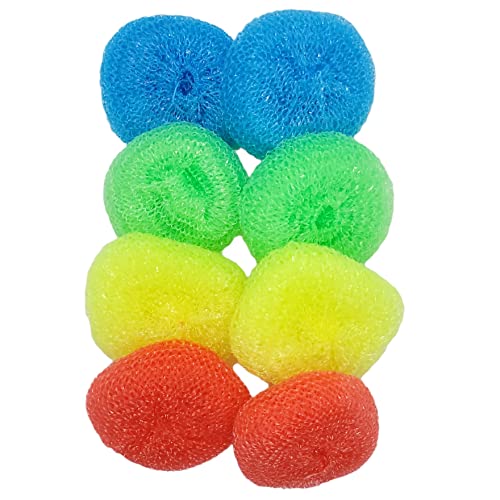
- Non-scratch nylon scrub pads for walls 4 inch flat paint cleanup
- Neutral pH cleaner or mild dish soap
- Water spray bottle or small bucket
- Dry microfiber towels or chamois
- Optional: gentle wall-safe smoothing tools for texture restoration after cleaning


Before You Start
Prepare the room by removing furniture or moving it to the center and placing a drop cloth on the floor. Ventilate the area to avoid lingering fumes from cleaners. Test the cleaner on a small, hidden patch of wall to ensure no color transfer or surface damage occurs. Time estimate: 20–45 minutes per room, depending on wall size and stains. Avoid excessive moisture on flat paint surfaces to prevent sheen or water damage.
Step-By-Step: How To Clean Flat Paint Walls Without Streaks
- Dust the walls with a dry microfiber cloth to remove loose dirt before washing.
- Fill a bucket with warm water and add a small amount of neutral cleaner or mild dish soap.
- Dip the microfiber cloth into the solution, wring well so it is damp but not dripping.
- Wipe the wall in smooth, overlapping strokes from top to bottom to minimize streaks.
- Rinse the cloth frequently in clean water to avoid spreading dirt. Wring thoroughly after each rinse.
- For stubborn spots, gently rub with a non-scratch nylon scrub pad in a circular motion, then wipe away residue with a clean damp cloth.
- Rinse a fresh cloth in clean water and go over the treated areas to remove any soap residue.
- Dry the wall with a clean microfiber towel or chamois to prevent water marks and promote an even finish.
- Inspect for any remaining streaks. If needed, repeat in small sections and dry immediately to minimize shine.
- Address high-traffic areas last, applying a lighter touch to avoid re-wetting the entire wall.
- Dispose of dirty rinse water and re-wet cloths as needed to maintain cleaning efficiency.
- Return furniture to its place and ensure the room is completely dry before use.
Troubleshooting
| Symptom | Likely Cause | Fix | Pquel |
|---|---|---|---|
| Streaks after cleaning | Excess moisture or soap residue | Wipe with a clean damp cloth, then dry thoroughly | Use minimal cleaner; avoid soaking walls |
| Dull or uneven finish | Over-wetting or aggressive scrubbing | Switch to lighter pressure and dry immediately | Test cleaners in hidden area |
| Soap residue visible | Soap wasn’t fully rinsed | Rinse again with clean water and dry | Double-rinse technique |
| Color transfer onto cloth | Dirty wall or contaminated cloth | Switch to a fresh microfiber cloth and restart | Keep cloths clean |
Common Mistakes
- Using abrasive pads that scratch the flat finish
- Soaking walls with water or harsh cleaners
- Skipping a test spot before full cleaning
- Ignoring the need to dry immediately after cleaning
These missteps can leave marks, alter texture, or require lengthy touch-ups later on. A careful, methodical approach minimizes risk and preserves the flat paint’s appearance.
Tips For Best Results
- Opt for neutral pH cleaners to prevent fading or discoloration over time.
- Work in sections to maintain consistent drying and avoid overlapping damp areas.
- Dust the walls regularly to reduce the frequency of deeper cleanings and minimize streaks.
- Use extendable tools to reach high walls without standing on ladders or stools, which can cause spills.
- Keep a small stash of microfiber cloths dedicated to wall cleaning for quick touch-ups.
Call A Professional
Contact a professional if the walls exhibit significant discoloration, water damage, or peeled paint. Seek help for large areas with mildew, cracking, or persistent streaking that resists standard cleaning methods. If you notice any structural moisture signs or musty odors, stop cleaning and consult a painter or contractor.
FAQ
Can I use old towels to clean flat paint walls?
Old towels may shed fibers and leave lint. Prefer clean microfiber cloths designed for walls to minimize residue and streaks.
Is warm water better than cold water for cleaning?
Warm water helps dissolve grease and grime more effectively without damaging the finish, but avoid hot water that could affect paint adhesion.
How do I prevent streaks on matte walls?
Wipe in consistent vertical or horizontal strokes and dry promptly with a clean microfiber cloth to lock in a smooth finish.
Should I seal walls after cleaning?
Sealing flat paint is typically unnecessary unless the surface is very porous or stained; consult a paint professional for re-coating needs.
Buying Guide
When selecting tools for cleaning flat paint walls, consider size, material, and ease of use. A compact kit with microfiber cloths and an extendable mop balances reach and control. Look for lint-free fabrics that are safe on matte surfaces and easy to launder. Consider noise, ergonomics, and storage needs for regular maintenance. For shared living spaces, choose quiet tools and accessories that minimize disruption. If you’re cleaning large rooms or multiple walls, a modular system with interchangeable heads can simplify routine cleaning and save time.
Leave a Reply