How to Clean Workout Clothes Safely and Effectively
Athletic wear deserves careful care to preserve fabric performance and odor control. This guide provides practical, step-by-step methods to refresh workout clothes without damaging fibers. It covers common myths, which products help, and when to seek professional help.
Quick Answer
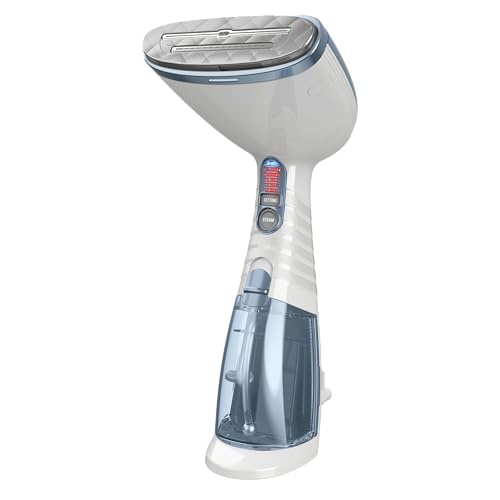
Sort, pretreat, and wash with cold water on a gentle cycle. Use a mesh laundry bag for athletic wear to protect delicate fibers, and consider a stain remover pen athletic fabric for spots. For stubborn wrinkles, a handheld garment steamer for activewear can refresh materials between washes.
What You’ll Need
- Mesh laundry bag for athletic wear
- Stain remover pen athletic fabric
- Handheld garment steamer for activewear
- Cold water and a mild detergent formulated for activewear
- Optional fabric refresher


Before You Start
Inspect fabrics for care labels and follow manufacturer instructions. Treat stains promptly but avoid vigorous scrubbing on delicate knits. Prewash pretreatment can help, especially for mud or grass stains. Time estimate: 30–60 minutes per wash cycle, plus drying time. Safety note: keep detergents away from eyes and skin, and never use chlorine bleach on moisture-wicking fabrics as it can damage performance fibers.
Step-By-Step: How To Clean Workout Clothes
- Sort clothes by color and fabric type; separate darks from lights to prevent dye transfer.
- Read care labels to identify any special restrictions (e.g., avoid fabric softeners for moisture-wicking fabrics).
- Pre-treat stains with a stain remover pen athletic fabric on oil, sweat, and grass stains; let sit for 5–10 minutes.
- Place garments in a mesh laundry bag for athletic wear to reduce friction and snagging during the wash.
- Use cold water and a mild detergent designed for activewear; avoid normal detergents with heavy additives.
- Run a gentle cycle on a low spin setting to protect fibers and minimize stretching.
- Line dry or tumble dry on a low heat or no-heat setting; remove promptly to avoid odor retention and stiffness.
- For items that wrinkle or feel stiff, briefly use a handheld garment steamer for activewear to refresh fibers between wears.
- Once dry, store folded or hung in a cool, dry place away from direct sunlight to maintain fabric elasticity.
- Regularly wash after intense workouts or multiple wears to prevent odor buildup and bacteria growth.
- Enzyme-free detergents are preferable for synthetic blends to preserve moisture-wicking properties.
- Consider a weekly freshening spray or odor-control additive if genres of activity are high-odor.
Troubleshooting
| Symptom | Likely Cause | Fix | Prevention |
|---|---|---|---|
| Dyes fading or bleeding | Color transfer from dark fabrics | Rewash in cold water with color-safe detergent | Always dye-test; wash darks separately |
| Stubborn odors after washing | Insufficient pre-treatment or buildup | Re-treat with stain pen; run an extra rinse | Wash promptly after use; avoid overloading washer |
| Fabric pilling or fuzzing | Friction from fast spins or rough surfaces | Use gentler cycle; wash in mesh bag | Zip up and button closures, separate delicates |
| Wrinkles or stiff feel | Air-drying without smoothing; detergent residue | Steaming or rewash with less detergent | Rinse thoroughly; avoid fabric softeners for performance fabrics |
Common Mistakes
- Using hot water, which can shrink or damage moisture-wicking fabrics
- Overloading the washer, leading to ineffective cleaning
- Using fabric softeners on technical fabrics, reducing breathability
- Neglecting pretreatment for visible stains, resulting in set-in marks
Sticking to cold washes with a mild detergent helps preserve stretch, moisture transfer, and odor resistance in most athletic fabrics.
Tips For Best Results
- Wash athletic wear after every appearance of sweat to prevent bacteria buildup.
- Use a dedicated laundry bag to minimize pilling and extend garment life.
- Rotate activewear to reduce wear on any single item and distribute stress evenly.
- Air-dry whenever possible to protect elasticity; reserve tumble drying for items labeled as dryer-safe.
- Keep stain remover pens handy for quick on-the-go spot treatment before washing.
Call A Professional
Consult a professional cleaner if fabrics show persistent color loss, irreversible staining, or delicate materials with care labels that warn against home cleaning. Seek help if there is visible damage, such as stretching, seam separation, or discoloration after washing.
FAQ
Can I wash activewear with regular clothes?
Yes, but wash on a cold, gentle cycle and use a mesh bag for protection to reduce friction and color transfer.
Is fabric softener safe for moisture-wicking fabrics?
Generally avoid fabric softeners on performance fabrics as they can reduce breathability and moisture management.
How often should I wash gym socks?
Wash after each use to prevent odor and bacteria buildup; use a separate load if there are heavy odor concerns.
What’s the best way to remove tough sweat stains?
Pre-treat with a stain remover pen athletic fabric, then wash in cold water on a gentle cycle.
Can I tumble dry everything?
Only if the care label permits it; many activewear fabrics require air-drying to preserve elasticity.
Should I wash sports bras separately?
Yes, to protect support and shape; consider washing with similar fabrics and colors to prevent snagging.
Buying Guide
When selecting gear for cleaning workout clothes, consider size, noise level, energy efficiency, controls, and placement. For the recommended cleaning routine, the following factors help you optimize results:
- Size and capacity: A standard residential washer handles a typical week of activewear; consider a compact model if space is tight.
- Noise level: If laundry is near living areas, choose a quieter machine, or schedule washes during off-peak hours.
- Energy efficiency: Look for energy-efficient cycles that use cold water; this aligns with best practices for activewear care.
- Controls and programs: A dedicated activewear or gentle cycle, plus a delay-start option, can simplify routines.
- Placement: Store detergents away from heat and sunlight; keep mesh bags and stain pens in a dedicated laundry kit.
For best results, pair the cleaning routine with the suggested tools: a mesh laundry bag for athletic wear to protect fibers, a stain remover pen athletic fabric for spot treatment, and a handheld garment steamer for activewear to refresh garments between washes. By selecting compatible products and following care labels, athletes can extend the life and performance of their workout wardrobe.
Leave a Reply