How to Get Rid of Lamb Smell in Your Home and Kitchen
For many households, flavorful lamb dinners are a highlight, but lingering meat aromas can be undesirable, especially in small kitchens or open-plan spaces. This guide provides practical, low-cost steps to minimize lamb odor using common tools and safe air-cleaning methods. Readers will learn how to neutralize cooking smells effectively without overpowering fragrances in the home.
Quick Answer
Use a combination of ventilation, targeted odor absorbers, and air purification. Start by venting the kitchen with windows or a hood, then deploy activated charcoal-based deodorizers or an air purifier with a carbon filter. For persistent smells, an ozone generator-based odor remover and proper cleaning can help, but follow safety guidelines and manufacturer instructions.
What You’ll Need
- Activated charcoal air deodorizer for meat odor removal lamb
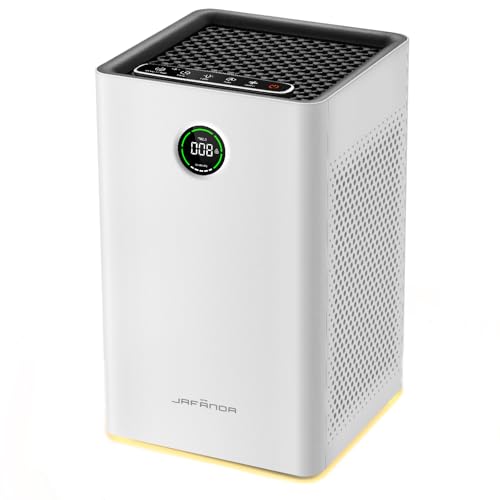
- Air purifier with activated carbon filter for cooking smell lamb
- Ozone generator odor remover kitchen meat smell
- Ventilation gear (range hood, exhaust fan, open windows)
- Dish soap, baking soda, white vinegar, and microfiber cloths


Before You Start
Prepare the space by opening windows and turning on any exhaust fans to establish cross-ventilation. Remove raw meat packaging and clean surfaces with a mild soap solution to reduce initial odors. Test any appliance in an inconspicuous area before full use. Never operate an ozone generator in occupied spaces without following safety guidelines and keep pets and children away during use. Estimate a typical odor-control session ranges from 30 minutes to several hours, depending on cooking intensity and room size.
Step-By-Step: How To Eliminate Lamb Odor
- Ventilate the area by turning on the range hood and opening nearby windows to create airflow that carries odors away from living spaces.
- Set up an activated charcoal air deodorizer for meat odor removal lamb on or near the cooking area to begin absorbing volatile compounds.
- Run an air purifier with activated carbon filter for cooking smell lamb in the kitchen or dining area to capture remaining particles.
- During and after cooking, simmer a simple deodorizing solution (water with a splash of white vinegar) on the stove to neutralize odors rather than simply masking them.
- Wipe down cooking surfaces with a mild soap solution, then rinse and dry to prevent lingering aromas from absorbed residues.
- Dust and wipe cabinets, countertops, and nearby furniture to remove surface oils that may trap odors over time.
- Position the ozone generator odor remover kitchen meat smell per manufacturer instructions if odors persist and the room is unoccupied during use; follow safety precautions closely.
- Run the cleaning routine for a few cycles if necessary, then remove the ozone device and reintroduce occupants after the space has cleared the odor indicators.
- Reset and refresh air quality with the purifier set to a high clean-air setting for 15–30 minutes after cooking to finish the process.
- Test the room by sniffing near the cooking area and in adjacent spaces to confirm odor reduction before resuming normal activities.
- If odors reappear in soft furnishings, consider professional cleaning or a dedicated deoderizing treatment for fabrics and carpets.
Troubleshooting
| Symptom | Likely Cause | Fix | Prevention |
|---|---|---|---|
| Smell lingers after cooking | Insufficient ventilation or absorbed residues | Increase ventilation, run purifier longer, wipe surfaces | Vent during and after cooking; clean immediately |
| Foul odor persists in fabrics | Odor absorption by upholstery or curtains | Use fabric-safe deodorizing spray and air purifier near fabrics | Keep fabrics dry and consider fabric protectant after cooking |
| Ozone device triggers dislike or safety alerts | Exceeded exposure or improper use | Pause use and review safety guidelines; re-locate device | Only use in unoccupied spaces and follow timing |
| Kitchen smells return after few hours | Air gaps or hidden odor sources | Inspect vents, garbage areas, and recycling; re-clean surfaces | Address all odor sources and maintain airflow |
Common Mistakes
- Relying solely on fragrance sprays instead of absorbing odors with carbon-based tools
- Using ozone devices when people are present or without following safety instructions
- Neglecting surface cleaning, allowing residues to re-emission smells
- Closing doors to shields away from the cooking area without proper ventilation
Tips For Best Results
- Place activated charcoal air deodorizer for meat odor removal lamb near the cooking zone and exhaust path to maximize capture.
- Run the air purifier on a medium to high setting for 60 minutes after cooking, then reduce to a maintenance level.
- For strong meat odors, combine vinegar steam with an open baking soda tray in the room to neutralize acidity and absorb scents.
- Maintain clean appliances and replace carbon filters as needed to sustain hygienic air quality.
- Conduct a quick odor check after each cleaning cycle to adjust the approach as odors diminish.
Call A Professional
Consider professional help if odors persist despite using all steps, especially in commercial kitchens or spaces with sensitive occupants. Seek a licensed HVAC technician or odor-control specialist if strong, persistent meat smells affect air quality, cause headaches, or resist standard cleaning and purification methods. Seek immediate help if anyone experiences dizziness or breathing irritation during odor-control procedures.
FAQ
What is the quickest way to remove lamb smells from a kitchen?
Open windows and use a range hood while running an activated charcoal deodorizer and an activated carbon air purifier to start absorbing odors quickly.
Can I use an ozone generator for home cooking odors?
Yes, but only in unoccupied spaces and per safety guidelines. Do not use while people or pets are present, and follow device instructions carefully.
Do I need to clean fabrics to remove cooking odors?
Yes. Odors can cling to textiles, so wash curtains, towels, and chair covers or use fabric-safe deodorizers to prevent re-emission.
How long should I run an air purifier after cooking lamb?
Run it for 30–60 minutes on a high setting, then switch to a maintenance level for ongoing air quality improvement.
Are there natural ways to reduce cooking smells?
Yes. Vinegar steam, baking soda trays, and simmering citrus peels can help neutralize odors in addition to mechanical filtration.
Buying Guide
Choosing the right odor-control tools involves evaluating size, noise, energy use, and placement options. For lamb smells, consider a combination of a compact activated charcoal air deodorizer for meat odor removal lamb and a dedicated air purifier with activated carbon filters. If cooking smells are particularly strong or you’re dealing with an open-plan living area, an ozone generator odor remover kitchen meat smell can be an effective supplementary device when used safely and in unoccupied spaces.
Key buying factors include size and coverage area to ensure the devices can effectively clean the air in the intended room. Noise level matters for kitchens adjacent to living spaces; look for models with low to moderate noise ratings. Energy efficiency is useful for frequent use, especially in households with long cooking sessions. Controls should be intuitive, with easy-to-set timers and filters that are easy to replace. Placement matters — position absorbers near the cooking zone and away from direct heat to maximize performance. Finally, review compatibility with existing HVAC systems to ensure cohesive operation and avoid dead zones in air circulation.
Leave a Reply