How to Clean Wood Patio Furniture
Wood patio furniture adds natural warmth and style to outdoor spaces, but it requires proper care to maintain beauty and longevity. This guide provides practical, step-by-step methods using household-friendly tools and a dedicated wood patio furniture cleaner designed for outdoor teak, cedar, and oak. By following these steps, homeowners can refresh faded finishes, remove grime, and protect wood from weather-related damage.
Quick Answer
Quick Method: Light cleaning with a wood patio furniture cleaner spray, a soft bristle scrub brush, and a microfiber cloth is usually enough for routine maintenance. For deeper stains, a gentle scrub with extra attention, followed by a thorough rinse and drying, restores surface evenness and color.
What You’ll Need
- Wood patio furniture cleaner spray for outdoor teak cedar and oak
- Soft bristle scrub brush for cleaning wood patio furniture
- Microfiber cleaning cloth for outdoor wood furniture maintenance
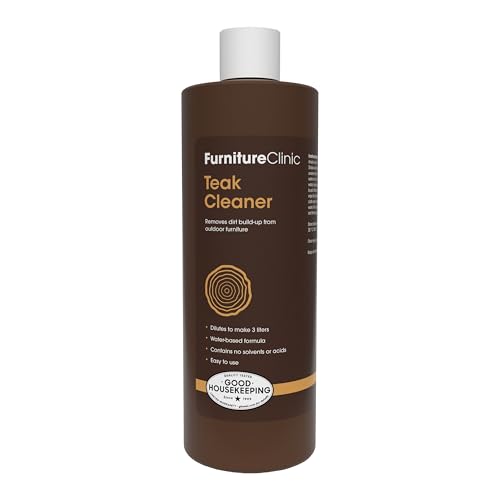

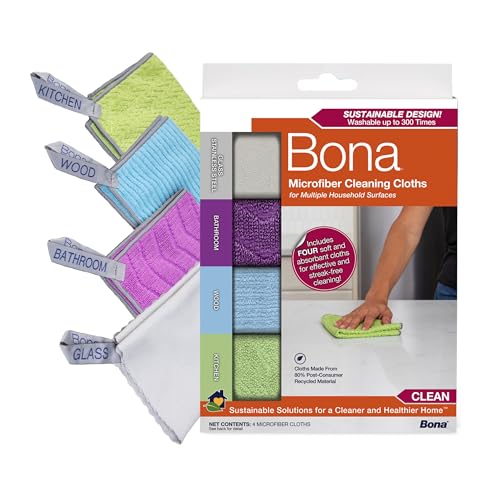
Before You Start
Prepare the area by clearing furniture from cushions and covers. Use a tarp or drop cloth to guard nearby surfaces. Test the cleaner on a small inconspicuous area to ensure no staining or discoloration occurs. Allow for sufficient drying time between steps, especially if you have porous wood or previous finishes. Safety cautions include wearing gloves and working in a shaded area to prevent rapid drying or streaks.
Step-By-Step: How To Clean Wood Patio Furniture
- Remove all cushions and loose debris. Vacuum crevices with a brush attachment to prevent grit from scratching wood during cleaning.
- Lightly mist wood patio furniture cleaner spray on a small section to dampen the surface. Avoid soaking wood, which can raise grain or promote moisture damage.
- Use a soft bristle scrub brush to work the cleaner into the grain. Apply in gentle, circular motions to lift dirt without gouging the wood.
- For stubborn stains, reapply cleaner and scrub more firmly on the affected area. Do not press hard enough to abrade the surface.
- Wipe away loosened grime with a microfiber cleaning cloth, using long, even strokes. Move across the grain to remove cleaner residue thoroughly.
- Rinse the surface with clean water from a spray bottle or a damp cloth. Avoid soaking; mist or light wipe helps prevent water damage.
- Inspect for remaining spots. If needed, repeat the cleaning cycle on those areas until the wood looks even and clean.
- Allow the furniture to air-dry completely in shade before applying any protective finish or reassembling cushions.
- If the wood appears weathered or gray, consider a light brightening or refinishing treatment after cleaning, following product-specific instructions.
- Apply a protective sealant or conditioner appropriate for teak, cedar, or oak after drying to enhance water resistance and color longevity.
- Reattach cushions and return furniture to its place, ensuring the surface is dry and ready for use.
- Schedule routine cleanings every few months or as needed to prevent buildup of grime, tannins, or mold.
Troubleshooting
| Symptom | Likely Cause | Fix | Prevention |
|---|---|---|---|
| Streaks after cleaning | Improper drying or uneven finish | Wipe with a dry microfiber cloth and allow extra drying time | Clean in shade; use even strokes along the grain |
| Graying wood after use | UV exposure and weathering | Apply UV-protective sealant or wood conditioner | Recondition periodically and cover when not in use |
| Water beads or runs off quickly | Inadequate surface preparation or old finish | Lightly sand to reopen grain, then re-clean and seal | Perform annual maintenance before peak sun seasons |
| Stubborn sap or tannin stains | Natural wood exudates | Apply targeted cleaner, let sit briefly, then scrub and rinse | Seal wood after cleaning to minimize sap penetration |
| Scratches or worn areas | Heavy scrubbing or abrasive cleaners | Switch to gentler cleaning and consider refinishing | Use protective pads and avoid metal tools |
Common Mistakes
- Using harsh household cleaners that can strip or dull wood finishes
- Soaking wood surfaces or letting water pool on seats and arms
- Over-wetting joints or cushions during cleaning
- Neglecting to dry thoroughly, which can promote mold or rot
- Skipping a patch test before applying cleaners or sealants
Tips For Best Results
- Clean on a mild day to prevent rapid drying, which can cause streaking
- Work with the grain for a uniform look and to minimize micro-scratches
- Choose a cleaner formulated for outdoor wood to protect teak, cedar, and oak surfaces
- Use microfiber cloths for lint-free drying and to capture fine dust
- Follow up with a protective treatment to extend color and moisture resistance
Call A Professional
Consider a professional if the wood shows deep cracks, extensive warping, or signs of rot. Stop cleaning and avoid attempting to refinish damaged sections yourself if structural integrity is in question. Seek expert advice when wood is infested by mold or fungal growth that covers large areas, or if you suspect termite activity around outdoor furniture.
FAQ
Can I use dish soap to clean outdoor wood furniture?
Dish soap is generally too mild for thorough cleaning and may leave residues. Use a dedicated wood patio furniture cleaner spray designed for outdoor teak, cedar, or oak.
Is it necessary to seal wood after cleaning?
Sealing or conditioning after cleaning helps protect against moisture and UV damage, but follow product guidelines for your wood type and climate.
How often should I clean wood patio furniture?
Routine cleaning every 2–4 months is common, with more frequent cleaning in dusty or high-pollen environments.
What if my furniture looks faded after cleaning?
A light refinishing or resealing may restore color and depth. Test products on a hidden area first and follow manufacturer instructions.
Can I clean with a power washer?
Power washing can damage wood fibers and joints. If used, set a low pressure and hold at a distance, or prefer hand cleaning with a brush and cleaner.
Should I remove cushions before cleaning?
Yes. Cushions should be removed to prevent soaking fabrics and to allow full access to all wood surfaces.
Buying Guide
When selecting tools and products for cleaning wood patio furniture, consider several factors to optimize results. Size and coverage matter for larger sets; choose a spray bottle or ready-to-use cleaner that suits the scale of the project. Noise level isn’t a major concern for cleaning tools, but ease of use matters. Look for a wood patio furniture cleaner spray that is safe for teak, cedar, and oak, and verify it is non-corrosive to finishes. A soft bristle scrub brush helps prevent scratches on grain, and a microfiber cleaning cloth ensures lint-free drying and polishing. Energy efficiency isn’t critical here, but effort reduction is.
In the second-hand market, check wood condition, presence of mold, and previous finishes. Controls in this context refer to instructions and kit contents—ensure the product includes clear steps and safety warnings. For placement, clean in a well-ventilated area and avoid direct sun during cleaning to minimize streaking. Compare cleaning efficacy, drying time, and whether a conditioner or sealant is recommended post-cleaning. If you have teak, cedar, or oak outdoor furniture, choose a product label that explicitly covers those woods for best compatibility.
To sum up, a practical kit with a dedicated outdoor wood cleaner, a soft brush, and a microfiber cloth can handle routine cleaning and protect your furniture’s natural beauty. Consider the specific wood type, expected exposure, and maintenance routine to select the right combination for your patio setup. Would you like help choosing a complete kit based on your local climate and furniture species?
Leave a Reply