How to Clean a Couch With Baking Soda: A Practical Guide
Cleaning a fabric couch can extend its life and keep your living room fresh. Baking soda is a versatile, inexpensive option that helps deodorize and refresh upholstery without harsh chemicals. This guide walks through safe, step-by-step methods that work for most fabric sofas and cushions.
Quick Answer
Yes, baking soda can help remove odors and loosen light stains on many fabric couches. Start with light brushing, sprinkle baking soda, wait 15–30 minutes, then vacuum. For tougher stains, combine baking soda with a mild fabric cleaner and follow with a gentle scrub using an appropriate brush. Always test a hidden area first and ensure the fabric dries completely before use.
What You’ll Need
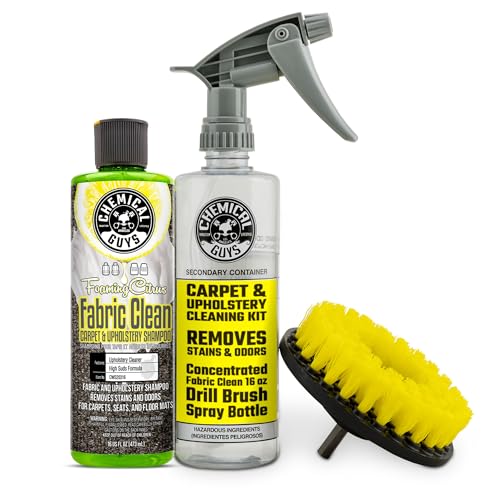
- Upholstery cleaning brush kit microfiber couch
- Fabric sofa stain remover brush kit
- Vacuum cleaner with upholstery attachment for couch cleaning

Before You Start
Plan for deodorizing and light cleaning rather than deep extraction. Check the sofa fabric care tag—W or S/W indicates water-safe or solvent-safe methods. Perform a spot test in an inconspicuous area to confirm the fabric won’t discolor. Protect surrounding surfaces and allow ample time for drying. A typical session may take 45–90 minutes, plus 1–2 hours for complete drying.
Step-By-Step: How To Clean A Couch With Baking Soda
- Remove cushions and debris: Take off toss pillows and run a hand brush over the fabric to lift surface dust.
- Vacuum thoroughly: Use the vacuum cleaner with upholstery attachment for couch cleaning to remove loose dirt from seams and cushions.
- Test a hidden area: Dampen a cloth with water and gently dab a small spot to ensure no color transfer occurs.
- Spot treatment if needed: For wet stains, mix a small amount of mild detergent with water, apply with a microfiber cloth, and blot. Do not oversaturate.
- Apply baking soda: Lightly sprinkle baking soda over the fabric, concentrating on areas with odors or stains. Do not oversaturate; a thin, even layer is enough.
- Let it sit: Allow the baking soda to sit for 15–30 minutes. For stubborn odors, you can leave it up to an hour in a well-ventilated room.
- Brush or vacuum away: Use the upholstery brush kit to lift any baking soda residue or vacuum thoroughly again.
- Refresh with a light pass: If you notice lingering odor, repeat the baking soda step or apply a fabric-safe cleaner following the product instructions.
- Dry thoroughly: Allow the couch to air-dry completely. Open windows or use a fan to speed up drying and prevent mold growth.
- Replace cushions and test: Reinsert cushions, fluff them, and test for any odor or dampness after a few hours.
- Optional deodorizing boost: For persistent odors, repeat the baking soda treatment every few days for a limited period.
Troubleshooting
| Symptom | Likely Cause | Fix | Prevention |
|---|---|---|---|
| Odor persists after baking soda | Deep-set odor or moisture | Increase airing time, apply a mild fabric refresher per label | Use baking soda regularly as a deodorizing maintenance |
| Fabric discolors after cleaning | Improper spot test or fabric sensitivity | Stop and test a hidden area next time; use only compatible cleaners | Always test in a hidden spot before full treatment |
| Stains remain after deodorizing | Stains are set or deeply absorbed | Apply a fabric-safe stain remover and follow the product’s instructions | Treat stains promptly to minimize set-in color |
| Fabric feels damp after cleaning | Over-wetting or insufficient drying | Increase airflow; use a fan or dehumidifier | Avoid soaking; monitor moisture during cleaning |
Common Mistakes
- Using too much water or liquid cleaners on water-sensitive fabrics
- Skipping a spot test, leading to color changes
- Relying solely on baking soda for heavy stains
- Forgetting to dry the couch thoroughly, inviting mold
Staying within the fabric’s care guidelines is essential. The goal is a fresh, odor-free sofa, not a soaked cushion that takes days to dry.
Tips For Best Results
- Combine baking soda with a microfiber brush kit to lift grime while deodorizing.
- Ventilate the room well during and after cleaning to speed drying and reduce residual odors.
- Work in sections to avoid over-wetting any single area and to monitor progress easily.
- Regular maintenance, such as vacuuming with upholstery attachments, helps prevent stubborn stains.
- Store baking soda in a closed container between uses to keep its deodorizing power intact.
Call A Professional
Consider a professional if the sofa has:
- Delicate fabrics with limited water compatibility
- Extensive staining or persistent odors after at-home treatments
- Visible dye transfer or color bleed after cleaning attempts
Experts can perform deeper cleaning using equipment and products that preserve fabric integrity without risking shrinkage or color loss.
FAQ
Is baking soda safe for all fabric sofas?
Most fabrics tolerate baking soda for deodorizing, but always check the care label and perform a spot test first.
How long should baking soda stay on the couch?
15–30 minutes is typically sufficient; longer is possible for strong odors, provided the room is well ventilated.
Can baking soda remove stains?
It helps with light odors and some light stains, but persistent or set stains may require a dedicated fabric cleaner.
What if the couch remains damp after cleaning?
Increase airflow, use fans or a dehumidifier, and ensure cushions dry completely before use.
Do I need to vacuum after applying baking soda?
Yes, vacuum thoroughly to remove all baking soda particles and prevent residue.
Are there alternatives to baking soda for odor control?
Fabric-safe odor removers or a vinegar-water solution (tested safely) can also help, following product guidelines.
How often can I clean my couch with baking soda?
Use as a periodic refresh, not a frequent deep-cleaning method. Regular vacuuming helps maintain freshness.
Buying Guide
Choosing the right cleaning approach for a fabric sofa involves several factors. Size matters for handling cleaning tools and storage space. Noise level affects comfort during ongoing maintenance around family members and pets. Energy efficiency becomes relevant when running powered tools for extended sessions. Controls on cleaning devices should be intuitive, with adjustable suction or brush settings for different fabric types. Placement of the sofa in a well-ventilated area aids faster drying and odor control.
From a performance standpoint, factor in the upholstery cleaning brush kit microfiber couch and fabric sofa stain remover brush kit capabilities, ensuring they pair well with vacuum cleaner with upholstery attachment for couch cleaning. For overall value, consider how easily the tools integrate into a routine, how gentle they are on fabrics, and whether they cover both deodorizing and stain mitigation needs. Think about storage space, durability of components, and availability of replacement parts to extend the life of cleaning tools. Finally, review user feedback on real-world use to gauge effectiveness across different fabric types common in American homes.
Leave a Reply