How to Clean a Diamond Ring Safely and Effectively
Diamond rings sparkle brightest when they are clean, but improper cleaning can damage settings or loosen stones. This guide outlines practical, safe methods tailored for American homes, using common tools and a few specialized options to keep your diamond ring looking its best.
Quick Answer
For most diamond rings, a gentle soak in warm, soapy water followed by a soft brush and a thorough rinse does the job. Use an ultrasonic jewelry cleaner for diamond rings 40kHz only if permitted by the ring’s setting, and finish with a microfiber polishing cloth for diamond rings to restore shine.
What You’ll Need
- Ultrasonic jewelry cleaner for diamond rings 40kHz (optional, see Before You Start)
- Jewelry cleaning kit for diamonds with brush and solution
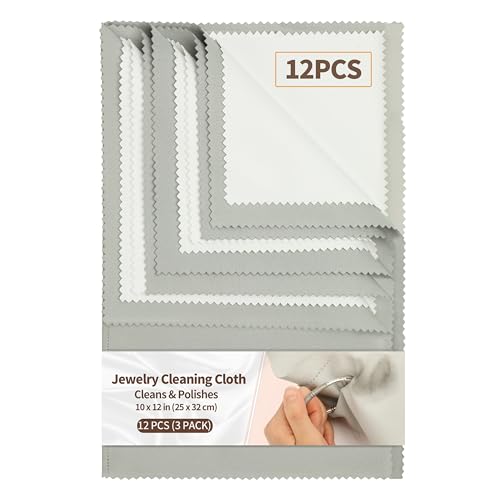
- Microfiber polishing cloth for diamond rings
- Warm water
- Mild dish soap
- Soft bristle brush (e.g., old toothbrush)
- Lint-free towels


Before You Start
Inspect the ring to identify loose stones, bent prongs, or worn settings. If you notice any damage, stop and consult a professional jeweler before cleaning. Work in a well-lit area and keep the ring away from harsh chemicals, including bleach and chlorine. Do not use harsh abrasives or household cleaners on most diamond settings. For safety, remove the ring before swimming in chlorinated pools or using hot tubs, as heat and chemicals can affect metal.
Time estimate: about 10–15 minutes for routine cleaning. If you’re using an ultrasonic cleaner, follow the device’s manual and set it to a gentle cycle. If the ring has delicate or colored metal components, skip ultrasonic cleaning unless advised by a jeweler.
Step-By-Step: How To Clean A Diamond Ring
- Place the ring in a bowl of warm water with a few drops of mild dish soap. Let it soak for 5–10 minutes to loosen oils and grime.
- Gently agitate the water with your finger to help lift dirt from the setting.
- Using the jewelry cleaning kit for diamonds with brush and solution, scrub softly around the prongs and under the setting with the soft-bristle brush. Avoid aggressive scrubbing that could loosen stones.
- If using an ultrasonic cleaner, place the ring in the holder according to the device instructions and run a short, low-intensity cycle. Do not leave the ring unattended, and remove promptly after the cycle ends.
- Rinse the ring under warm running water, ensuring the drain is blocked to prevent loss. Rinse thoroughly to remove all soap and cleaner residue.
- Pat dry with a soft, lint-free towel. Then finish with a microfiber polishing cloth for diamond rings to remove remaining streaks and enhance luster.
- Inspect the ring again for any remaining buildup in the crevices. If needed, repeat cleaning on a lower-intensity cycle and re-dry.
- Store the ring in a soft pouch or lined jewelry box to prevent scratches when not wearing it.
Troubleshooting
| Symptom | Likely Cause | Fix | Prevention |
|---|---|---|---|
| Stone appears dull even after cleaning | Soap residue or fingerprints | Re-clean with a gentle brush and rinse well | Rinse thoroughly; wipe with microfiber cloth after wear |
| Prongs feel loose | Wear or impact damage | Schedule inspection with a jeweler | Have prongs checked annually |
| Ring surface scratched or tarnished | Over-cleaning with abrasive tools | Switch to gentler methods and soft cloth | Avoid abrasive cleaners and hard bristles |
| Soap residue remains after rinse | Inadequate rinsing | Rinse longer and run under running water | Test rinse in a separate basin before final drying |
Common Mistakes
- Using abrasive cleaners or baking soda pastes on delicate settings
- Soaking rings with loose stones for too long
- Using hot water, which can loosen certain metals and settings
- Neglecting to rinse completely, leaving film on the stone
Tips For Best Results
- Clean diamonds regularly to maintain sparkle, especially during heavy wear periods.
- Use a microfiber polishing cloth for diamond rings for a quick wipe-down between deep cleanings.
- Keep your cleaning tools dedicated to jewelry to avoid cross-contamination with household cleaners.
- For groups of rings or intricate settings, perform a gentle, methodical clean to avoid snagging or damage.
- Consider scheduling a professional cleaning and inspection every 6–12 months if you wear the ring daily.
Call A Professional
Stop cleaning and seek help if you notice:
- Visible damage to the band or setting
- Loose or missing stones
- Discoloration or unusual wear patterns
Professional cleaning can safely address hard-to-reach areas, re-tighten settings, and ensure the ring remains secure during wear.
FAQ
Can I use an ultrasonic cleaner on any diamond ring?
Not always. Ultrasonic cleaners can loosen stones with fragile settings. Check with a jeweler if you’re unsure about the ring’s durability.
How often should I clean a diamond ring?
For daily wear, a light weekly wipe and a deeper clean every 1–2 months is common. Adjust frequency based on wear and exposure.
Is it safe to clean a diamond ring at home?
Yes, with gentle methods and proper tools. Avoid harsh chemicals and aggressive scrubbing around the prongs.
What should I do if a stone feels loose after cleaning?
Do not wear the ring. Schedule a professional inspection promptly to avoid losing the stone.
Are there alternatives to ultrasonic cleaning?
Yes. Soaking in warm, soapy water with a soft brush is a safe, effective alternative for most rings.
Can cleaning change the appearance of colored metals on the ring?
Color-safe cleaning is generally fine, but avoid aggressive methods that may wear a delicate metal finish.
Buying Guide
Choosing the right cleaning approach and tools depends on ring design and materials. Consider these factors to select effective options and maintain luster over time:
- Size and design: Intricate settings with many prongs or pavé stones may require professional cleaning to avoid stone loss.
- Noise level and energy use: Ultrasonic cleaners vary in noise and power; choose models with gentle cycles for delicate rings.
- Energy efficiency: Look for energy-saving settings and automatic shutoff features on countertop units.
- Controls: Simple, visible controls reduce the risk of user error when cleaning at home.
- Placement: Clean in a stable area with a bowl of water and proper drainage; avoid slippery surfaces.
- Includes accessories: A kit with a soft brush and diamond-safe solution helps cover most routine cleans.
- Durability of materials: If the ring has colored metals or sensitive finishes, prefer non-abrasive solutions.
- Maintenance interval: Plan a cleaning and inspection routine tailored to daily wear and activities.
Bottom line: for many homes, a gentle routine with a dedicated jewelry kit, plus optional ultrasonic cleans for compatible settings, keeps diamonds shining without risking damage. If you have ongoing concerns about a specific ring, a professional evaluation offers the most reassurance.
Leave a Reply