How to Clean Pillow Covers Safely and Effectively
Pillow covers are easy to refresh with the right approach, preserving fabric and color while keeping them hygienic. This guide focuses on gentle cleaning methods that work for most fabrics commonly used in pillowcases, including delicate blends and cotton blends. With the right supplies and a steady routine, pillow covers can look bright and feel fresh again.
Quick Answer
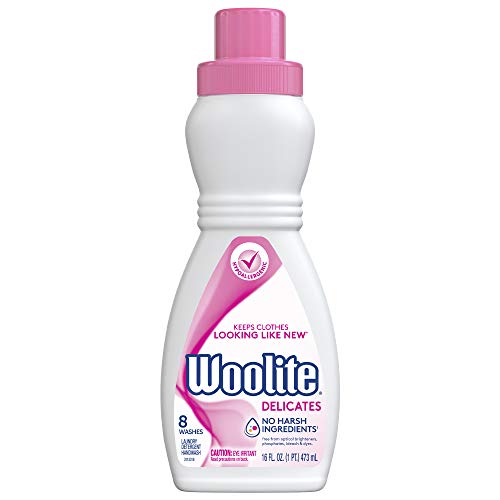
For most pillow covers, use a gentle wash cycle with cool water, a delicate fabric laundry detergent for pillowcases, and a wash bag for delicate pillow covers laundry bag to protect fabrics. Spot clean stains with a stain remover spray for pillowcase cleaning color-safe, then air dry or tumble dry on low heat if allowed by the fabric care label.
What You’ll Need
- Gentle, delicate fabric laundry detergent for pillowcases
- Stain remover spray for pillowcase cleaning color-safe
- Wasch bag for delicate pillow covers laundry bag
- Cool or cold water availability for washing
- Access to a dryer with a low-heat setting or a drying rack
- White towels or dryer balls to reduce wrinkles


Before You Start
Read the care label on each pillow cover to determine fabric type and washing instructions. If colors are at risk of bleeding, consider a color-catcher sheet or separating dark and light fabrics. Avoid high heat and harsh detergents that can damage fibers over time. Plan for time—washing and drying pillow covers may take 1–2 hours depending on the fabric and drying method.
Step-By-Step: How To Clean Pillow Covers
- Sort pillow covers by fabric type and color to prevent dye transfer.
- Pre-treat stains with stain remover spray for pillowcase cleaning color-safe, applying only to stained areas and following product directions.
- Close zippers and fasten any buttons to avoid snagging during washing.
- Place pillow covers into the wash bag for delicate pillow covers laundry bag to protect delicate fabrics in the washer.
- Use a delicate fabric laundry detergent for pillowcases and select a gentle cycle with cool water.
- Run an extra rinse cycle if possible to remove all soap residue that can irritate the skin.
- Remove promptly after washing and shake lightly to reduce wrinkles.
- Air dry on a rack or lay flat; if machine drying is allowed, use a low-heat setting and remove promptly to prevent shrinkage.
- Iron on the appropriate setting if needed, using a pressing cloth for delicate fabrics.
- Repeat monthly or as needed for heavily used pillows, especially in households with pets or allergies.
- Inspect pillow covers after washing for any remaining stains or wear, and treat or replace as necessary.
- Store clean pillow covers in a dry, breathable container to prevent mildew between uses.
Troubleshooting
| Symptom | Likely Cause | Fix | Prevention |
|---|---|---|---|
| Color fading or dye transfer | Washed with incompatible colors | Sort by color; use color-safe stain remover and cold water | Always separate lights and darks |
| Stubborn stains remain | Stain not fully treated before washing | Reapply stain remover spray for pillowcase cleaning color-safe and rewash | Pre-treat promptly after staining |
| Fabric snagging | Overfilled washer or loose zippers | Wash with the wash bag for delicate pillow covers laundry bag and secure zippers | Close all closures; wash on gentle cycle |
| Pillow covers shrink | High heat exposure | Air dry or use very low heat | Follow care label; avoid tumble drying when unsure |
Common Mistakes
- Using hot water on delicate fabrics, which can shrink or distort fibers.
- Direct application of stain removers without testing on a hidden area.
- Washing delicate pillow covers without a protective wash bag, leading to snags.
- Overloading the washer, which reduces cleaning effectiveness and increases wear.
- Skipping the extra rinse, leaving detergent residues on fabrics.
Tips For Best Results
- Use a delicate fabric laundry detergent for pillowcases that is free of bleach and harsh enzymes to preserve color and fabric integrity.
- When in doubt, opt for cold water and a gentle cycle; heat accelerates wear on delicate materials.
- Air drying is gentler than machine drying; spread pillow covers flat or hang them to prevent wrinkles and shrinkage.
- Test any stain remover on a hidden area first to gauge fabric reaction.
- Take photos before washing if you are tracking colorfastness or wear over time.
Call A Professional
Contact a professional cleaner if pillow covers are heavily stained, contain delicate embroidery, or use antique fabrics that may require specialized care. Stop cleaning and seek help if you notice fabric fraying, color bleeding that worsens after cleaning, or any unusual odors that persist after washing.
FAQ
Can I wash all pillow covers together?
Only if fabrics are similar in color and care needs. Separate by color and fabric type to avoid damage.
Is it safe to use a washing bag for all pillow covers?
It’s recommended for delicate pillow covers to prevent snagging and stretching in the washer.
How do I remove yellowing from pillow covers?
Pre-treat with a color-safe stain remover and wash on a cool cycle; avoid chlorine bleach on colored fabrics.
How often should pillow covers be cleaned?
Wash pillow covers every 1–2 weeks with regular use; replace or deep clean more often if allergies or pets are present.
Buying Guide
Choosing pillow covers and cleaning supplies that suit American households requires attention to size, fabric, and care.
- Size: Standard, Queen, and King pillow covers come in different dimensions; measure before buying to ensure a proper fit.
- Material: Cotton blends are durable and easy to clean; silk and satin require more delicate handling and specific detergents.
- Noise level and energy considerations apply mainly to washing machines; choose machines with quiet cycles if shared living spaces are involved.
- Controls: Look for simple wash settings, including a delicate cycle, cool temperature, and an extra rinse option for thorough cleaning.
- Placement: Store clean pillow covers in a dry, breathable container; avoid damp areas that can encourage mildew.
- Detergent compatibility: Use a delicate fabric laundry detergent for pillowcases suited to your fabric type to maintain softness and color.
- Stain care: Keep a stain remover spray for pillowcase cleaning color-safe handy for spot treatment before washing.
- Protection: A wash bag for delicate pillow covers laundry bag helps extend fabric life during machine cleaning.
Leave a Reply