How to Get Rid of Chipmunks Safely and Effectively
Chipmunks can be a nuisance in yards and gardens, tearing up mulch, digging burrows, and raiding bird feeders. This guide provides practical, humane methods that American homeowners can use to reduce chipmunk activity while protecting pets and wildlife. The focus is on combining exclusion, repellent tactics, and humane trapping where appropriate.
Use a layered approach: seal entry points with hardware cloth, deploy humane live traps where legal, and supplement with plug-in ultrasonic repellents and barriers to disrupt chipmunk access and foraging. Regular maintenance and monitoring yield the best long-term results.
What You’ll Need
The following tools and products are commonly recommended for chipmunk control. Use the items that best fit your situation and local regulations.
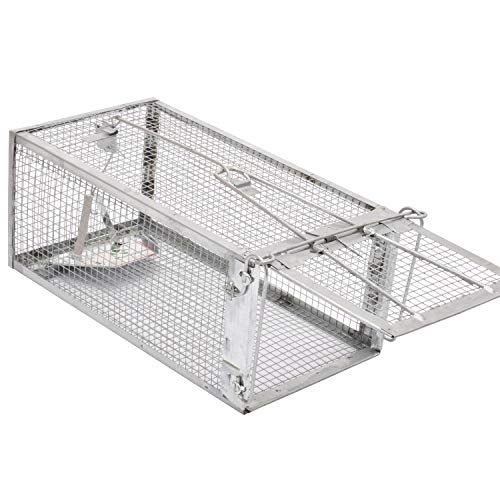
- Chipmunk live trap humane steel
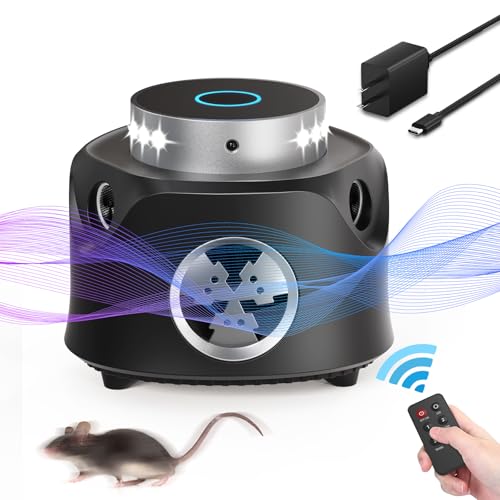
- Ultrasonic outdoor chipmunk repeller plug-in
- Hardware cloth exclusion barrier for chipmunks 1/2 inch mesh

Before You Start
Survey the area for fresh burrows and paths. Identify entry points around foundations, decks, and sheds. Clear fallen fruit, spilled birdseed, and accessible food sources. Keep children and pets away from traps and ensure traps are placed in a sheltered area to reduce stress on any captured animal. Plan for several days of monitoring, as chipmunks may reappear. Time estimates vary by yard size and severity, typically 1–2 weeks for noticeable improvement.
Step-By-Step: How To Get Rid Of Chipmunks
- Locate active burrows and entrance holes near the foundation, garden beds, and under decks.
- Mark entry points and measure surrounding spaces to determine where to place hardware cloth barriers.
- Install a hardware cloth exclusion barrier for chipmunks 1/2 inch mesh along foundations, around planters, and under porches.
- Reconnect gaps and seal holes with the hardware cloth or cement-safe plugs, paying attention to areas where pipes and vents enter structures.
- Set humane chipmunk live trap humane steel near food sources, baited with peanut butter or sunflower seeds, following local wildlife regulations.
- Place the ultrasonic outdoor chipmunk repeller plug-in in strategic outdoor locations to disrupt chipmunk foraging patterns without harming them.
- Monitor traps and barriers daily; relocate any captured animals to a appropriate distance away, or follow local guidelines for release if permitted.
- Keep attractants under control by using bird feeders with protected hoppers and securing lids, and store pet food indoors after feeding times.
- Maintain the exclusion barrier and re-check for new chew points after heavy rains or seasonal changes.
- Regularly inspect the landscape for new burrows and expand barriers as needed until activity declines.
- Document progress and adjust tactics as chipmunk behavior shifts with seasons and food availability.
Troubleshooting
| Symptom | Likely Cause | Fix | Prevention |
|---|---|---|---|
| Chipmunks persist near entry points | Gaps remain or barriers incomplete | Reinforce with hardware cloth; seal smaller gaps | Regularly inspect and maintain barriers |
| Traps catch nothing | Insufficient bait or wrong placement | Reposition traps near active tunnels; adjust bait | Place in areas with frequent droppings or sightings |
| Ultrasonic repeller seems ineffective | Chipmunks are conditioned or nearby outside range | Move unit to different location and combine with barriers | Use as part of layered approach, not sole method |
| Burrows reappear after sealing | New burrows created by displaced animals | Expand exclusion perimeter and monitor for new routes | Maintain a broader exclusion strategy |
Common Mistakes
- Overreliance on traps without barriers, leading to rapid re-entry from nearby tunnels.
- Neglecting attractants such as birdseed and fallen fruit that draw chipmunks back.
- Using traps or repellents inconsistently, allowing populations to rebound.
Consistency and a holistic approach prevent these common missteps and improve long-term results.
Tips For Best Results
- Coordinate barrier installation with trap placement for synchronized results.
- Disk-drive the barrier along edges and corners to block tunneling paths completely.
- Seasonally adjust bait types and locations to align with chipmunk feeding patterns.
- Choose humane methods first and respect local wildlife regulations.
- Keep records of damage and improvements to evaluate strategy effectiveness.
Call A Professional
Consider a wildlife control professional if chipmunk activity remains high after 2–3 weeks, if there are extensive burrows under structures, or if there are safety concerns around pets and children. Stop signs include multiple trapped entry points, repeated re-emergence of burrows, or signs of disease among wildlife. A pro can assess legal trapping options and provide targeted exclusion plans.
FAQ
Are chipmunks dangerous to humans?
Chipmunks are generally shy and avoid people; they can spread disease through contact with waste or contaminated surfaces.
Is it legal to relocate chipmunks?
Relocation rules vary by state; consult local wildlife authorities before transporting or releasing wildlife.
Can I reuse a trap after catching a chipmunk?
Yes, but clean and sanitize traps between uses to reduce stress on animals and minimize odor.
What is the best season for exclusion work?
Spring and fall are ideal for installing barriers before peak breeding or food-seeking periods.
Buying Guide
When choosing products to control chipmunks, consider size of the area, climate, and long-term maintenance. A layered system tends to work best, combining exclusion barriers, humane trapping, and repellents. Look for durable materials, simple installation, and clear safety instructions for households with pets or children. Evaluate how discreet the barrier is for landscaping aesthetics and whether the ultrasonic repeller covers key zones like garden beds and compost piles. Compare ease of use, warranty options, and product availability to ensure ongoing effectiveness over seasons.
Leave a Reply