How to Remove Period Blood From Sheets
Period blood on bed sheets is a common housekeeping challenge. With a few practical steps and the right products, stains can be lifted effectively without harming fabrics. This guide outlines a safe, efficient method using common stain-removal tools.
Quick Answer
Blot excess moisture, rinse with cold water, treat with an enzyme stain remover, and then launder as usual. For stubborn or set-in stains, boost whitening with an oxygen-based bleach suitable for white sheets and follow with a stain-removing pen for fabrics on remaining spots.
What You’ll Need
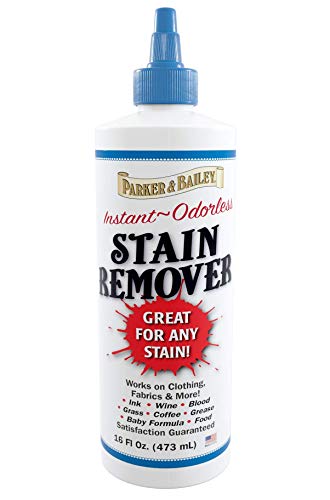
- Enzyme stain remover spray for cotton bed sheets
- Oxygen-based bleach stain remover for white sheets 24 oz
- Stain removing pen for fabrics bed sheets


Before You Start
Check fabric care labels to confirm washing instructions and water temperatures. Use cold water for initial rinsing to prevent set-in stains. Test any product on a hidden area first to ensure no color transfer or fabric damage. Plan for a two-step process if the stain is fresh, with full washing after treatment. Do not machine dry until the stain is fully removed, as heat can set the stain.
Step-By-Step: How To Remove Period Blood From Sheets
- Remove and rinse the stained sheet under cold running water to flush out as much residue as possible.
- Blot gently with a clean cloth to absorb moisture; avoid rubbing which can spread the stain.
- Apply enzyme stain remover spray directly to the stained area, following the product instructions for dwell time.
- Rinse the treated area with cold water and check for any remaining coloration.
- If the stain persists, apply the oxygen-based bleach stain remover for white sheets, concentrating on the affected spot, and let it sit per label directions.
- Wash the sheet on the regular laundry cycle using cold or warm water as permitted by the care label, with an appropriate laundry detergent.
- Air dry the sheet or use a low-heat setting if the label allows; avoid high heat until the stain is completely gone.
- Inspect after washing. If any stain remains, re-treat with the enzyme spray or stain-pen and wash again.
- For particularly stubborn stains, dab with the stain removing pen for fabrics directly onto the mark, then launder as usual.
- Repeat treatment only as needed. If the stain still persists after multiple attempts, consider professional cleaning tips or replacement of the sheet if the fabric is badly damaged.
- Dry according to the fabric’s care instructions, ideally in a manner that preserves whiteness and fabric integrity.
Troubleshooting
| Symptom | Likely Cause | Fix | Prevention |
|---|---|---|---|
| Stain remains after washing | Stain set or insufficient treatment | Repeat with enzyme cleaner, then oxygen-based bleach as indicated | Treat immediately; avoid heat before removal |
| Color transfer to white sheets | Bleach or cleaner used incorrectly on colored fabrics | Follow care labels; test in hidden area | Always test products first |
| Fabric damage or thinning | Overuse of harsh chemicals | Limit dwell times; use milder cycles | Adhere to label instructions |
| Faint odor after wash | Residue from cleaner | Run an extra rinse cycle | Rinse thoroughly and use less product next time |
Common Mistakes
- Rubbing the stain aggressively, which spreads it deeper into fibers.
- Using hot water on fresh blood, which can set the stain.
- Skipping a pre-test on delicate fabrics, risking color fade.
- Ignoring care-label instructions, leading to fabric damage.
Tips For Best Results
- Work on the stain as soon as possible for the best outcome.
- For white sheets, combine an enzyme cleaner with an oxygen-based bleach to maximize whitening power, following safety guidelines.
- Mark stains with a mild pencil or cloth tag to track progress during treatment.
- Ventilate the laundry area to help cleaners work effectively and reduce strong chemical odors.
Call A Professional
Consider professional cleaning if stains cover a large area, if the fabric is delicate or antique, or if home products fail to remove color after multiple attempts. Seek help immediately if there are signs of bleeding from the fabric dye or if you notice permanent discoloration after treatment.
FAQ
Can I use bleach on all white sheets?
Only if the care label allows it. Some whites with delicate fibers or blends may be damaged by bleach.
Is it safe to use enzyme cleaners on cotton sheets?
Yes, enzyme cleaners are generally safe for cotton when used as directed and rinsed properly.
How long should I let the stain remover sit?
Follow the product label; most enzymes need a few minutes to work, while oxygen-based bleaches often require longer dwell times.
What if the stain returns after washing?
Repeat the treatment cycle and ensure the fabric is washed in a suitable cycle and water temperature for the fabric.
Buying Guide
When choosing products to remove period blood from sheets, consider several factors to match fabric type and stain severity. Size matters: larger spray bottles and multi-pack options reduce repeat purchases. Noise and ease of use can affect application, especially in shared bedrooms. Energy efficiency is less relevant for individual stain products, but choosing concentrated formulas minimizes packaging waste. Look for clear usage directions, compatibility with cotton and white sheets, and safety notes for children and pets. Placement matters too—store cleaners in a cool, dry place away from direct sunlight and out of reach of kids.
Buying Guide: Key Buying Factors
- Size and concentration: Choose sizes that fit your stain frequency; concentrated formulas reduce waste.
- Stain type compatibility: Ensure products are suitable for cotton sheets and white fabrics.
- Active ingredients: Enzymatic cleaners target organic stains; oxygen-based bleaches handle whiteness and set-in stains.
- Application method: Sprays, pens, and liquids offer different control and dwell times.
- Safety and care labels: Verify fabric compatibility and child/pet safety guidelines.
- Storage and care: Store in a cool, dry place; keep products away from sunlight and moisture.
- Cost per use: Compare per-use cost rather than upfront price to assess long-term value.
- Brand reputation: Look for trusted stain-removal brands with clear instructions and safety information.
Leave a Reply