How to Deter Seagulls From Your Roof: Practical Steps for Homeowners
Seagulls on roofs can be a persistent nuisance, leaving droppings, creating noise, and damaging weatherproofing over time. This guide provides practical, safe, and effective methods for American homes to reduce or eliminate seagull roosting and nesting on residential rooftops.
By combining humane deterrents, proper installation, and maintenance, homeowners can protect their property while minimizing bird stress. The strategies here focus on durable solutions that work with common roof types and weather conditions.
Quick Answer
Choose a deterrent approach based on severity: install stainless steel bird spikes for direct perching, add polypropylene bird netting to cover landing zones, and consider a solar ultrasonic bird repeller for a long-term, maintenance-light option. Combine methods for best results and reassess seasonally.
What You’ll Need
- Stainless steel bird spikes 2 inch gap roof deterrent seagull
- Polypropylene bird netting 6×20 ft roof deter seagulls
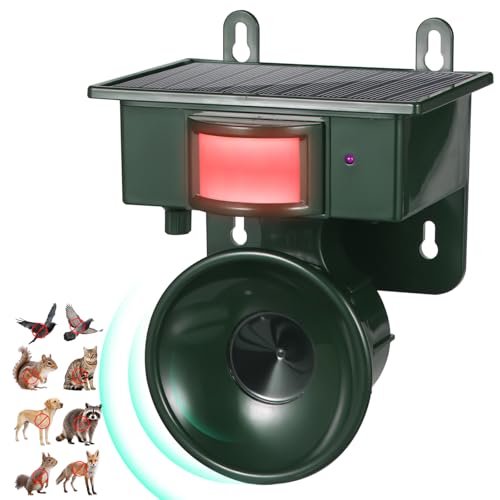
- Solar ultrasonic bird repeller outdoor roof seagull deterrent


Before You Start
Assess the roof area to identify high-roosting zones such as beam edges, vents, and chimney areas. Check local wildlife guidelines and ensure humane methods are used. Schedule installations during mild weather to ensure secure attachment and accuracy. Time estimate: planning 1–2 hours, installation 2–6 hours depending on roof size. Safety first: use proper fall protection and ladder security, and avoid working near power lines or sharp edges.
Step-By-Step: Deter Seagulls From The Roof
- Survey the roof to map problem areas: ledges, ridges, near vents, and skylights where birds perch.
- Install stainless steel bird spikes along edges where perching occurs to physically block seagull roosts.
- Unroll and secure polypropylene bird netting over large landing zones such as flat roof sections or pergola attachments to prevent access.
- Mount the netting attachment points securely, ensuring no loose edges that could entangle birds or people.
- Test the netting tension in several sections to avoid sagging that could invite nesting or trapping debris.
- Place a solar ultrasonic bird repeller in strategic locations with a clear line of sight, avoiding direct weather shielding by walls or vents.
- Program the repeller to run during peak activity times, typically early morning and late afternoon, and adjust sensitivity as needed.
- Blend deterrents: avoid over-reliance on a single method to reduce habituation by seagulls.
- Inspect seasonally for loose spikes or netting tears and repair promptly to maintain effectiveness.
- Keep nearby food sources covered and clean to discourage baiting by urban wildlife that attracts seagulls.
- Document changes with photos to track progress across seasons and plan adjustments accordingly.
- Schedule a follow-up check after a few weeks to evaluate the need for additional barriers or repositioning of devices.
Troubleshooting
| Symptom | Likely Cause | Fix | Prevention |
|---|---|---|---|
| Seagulls still perch at edges | Spikes not aligned or not covering all access points | Reinstall with full edge coverage and staggered rows | Plan a full edge-to-edge mesh or multiple spike lines |
| Netting tears or sagging | Weak anchors or heavy wind exposure | Replace with stronger anchors and tension nets properly | Inspect after storms and re-tighten seasonally |
| Ultrasonic repeller ignored | Low placement or overlapping signals with metal surfaces | Reposition away from reflective surfaces; adjust frequency | Rotate devices to new positions every few weeks |
| Birds nesting under devices | Unauthorized access to protected zones | Add additional barriers or relocate devices | Limit access points prior to nesting season |
Common Mistakes
- Using only one deterrent method and expecting complete results
- Overlooking maintenance, leading to degraded performance over time
- Choosing devices that irritate or injure birds rather than deter them
- Failing to secure installation on windy roof faces, which reduces effectiveness
Tips For Best Results
- Coordinate deterrents: spikes for perches, netting for landing zones, and repellers for ongoing disruption.
- Space devices to avoid shadowing on nets and ensure full coverage throughout the area.
- Consider aesthetics and building codes when selecting deterrents for visible roof lines.
- Combine deterrents with routine maintenance and cleaning to prevent attractants such as spilled food or trash.
Call A Professional
For large roofs, multi-story homes, or complex rooflines, professional wildlife control can assess risk and design a compliant deterrent plan. Stop signs to seek help include persistent roosting after 6–8 weeks of deterrents, repeated nesting attempts, or concerns about safety when working at height. If installations require structural modification or permit approvals, contact a licensed pro.
FAQ
Do bird spikes harm seagulls?
No. They deter perching by creating physical barriers, allowing birds to move on without injury.
Will netting block all seagull access?
Netting works well for large landing zones but may need supplementary devices for edge areas and vents.
How long do deterrents take to work?
Results vary by location, but most properties see reduced roosting within a few weeks with consistent use.
Can I install deterrents myself?
Simple installations are feasible for most homeowners, but complex roofs may require a professional.
Buying Guide
Choosing the right deterrents depends on roof size, material, and seagull activity. Consider the following factors to compare options:
- Size and coverage: Determine the total linear feet around perching edges to select the appropriate amount of spikes or netting.
- Noise and visibility: Solar ultrasonic devices offer low-profile operation but may require placement away from windows for effectiveness.
- Energy efficiency: Solar-powered devices reduce electrical needs, but ensure adequate sun exposure for consistent operation.
- Controls and automation: Look for programmable timers or motion sensors to tailor deterrence to bird activity patterns.
- Durability and weather resistance: Choose corrosion-resistant metals and UV-stable nets designed for rooftop exposure.
- Placement considerations: Plan device locations to avoid interference with vents, gutters, and flashing.
- Maintenance needs: Some systems require more frequent inspection; factor in home maintenance routines.
- Local regulations: Check any local wildlife guidelines or HOA rules governing deterrent installation.
Smart homeowners balance effectiveness, safety, cost, and aesthetics. If seagull activity remains stubborn after installing deterrents, consider combining accessories and scheduling periodic reviews to maintain results. Would you like help mapping a custom installation plan based on your roof layout?
Leave a Reply