How to Clean Copper Bottom Pots
Copper bottom pots bring a distinctive shine to kitchenware, but keeping the copper gleaming requires knowledge of safe cleaning methods that protect the metal and seasoning. This guide explains practical, household-friendly steps to restore luster without scratching, while highlighting the best products designed for copper bottom cookware.
Quick Answer
For a simple, effective clean, start with a copper-specific cleaner paste and a soft cloth, then buff with a non-abrasive polish kit to seal the shine. For routine maintenance, use a copper pot cleaning cloth and polish set to wipe away residue and restore brightness between deep cleanings.
What You’ll Need
- copper cookware cleaner paste 4 oz for copper bottom pots
- non-abrasive copper pot polish kit for copper-bottom cookware
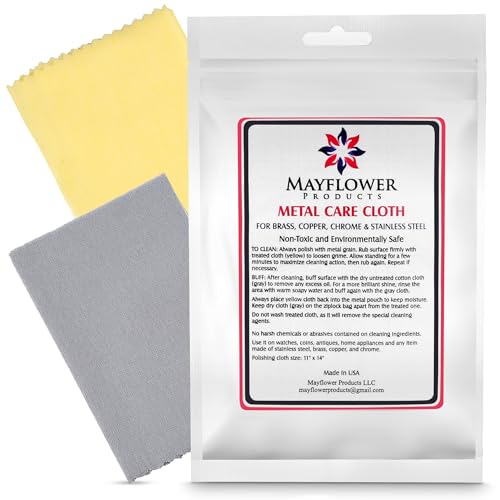
- copper pot cleaning cloth and polish set for copper bottom pots

Before You Start
Before cleaning, ensure the pot is cool and free of food debris. Do not immerse hot pots in cold water, which can warp metal. Use non-abrasive tools to avoid scratching the copper and any protective coating. Plan for about 20–40 minutes for a thorough deep clean, plus additional time for polishing. Safety note: wear gloves to protect skin from cleaners and keep ventilation adequate when using chemical pastes.
Step-By-Step: How To Clean Copper Bottom Pots
- Remove any stubborn, loose residue from the pot with a soft sponge.
- Apply a pea-sized amount of copper cookware cleaner paste to a damp microfiber cloth.
- Gently rub in circular motions over the copper bottom, avoiding any non-copper surfaces to prevent dulling.
- Rinse the paste with warm water, then dry with a lint-free cloth to prevent water spots.
- Inspect for dark tarnish or green oxidation; repeat the paste application if needed for heavy buildup.
- Apply a thin layer of non-abrasive copper pot polish kit to the copper surface, following the product’s directions.
- Buff in the polish with a clean, soft cloth until the metal shines evenly.
- Switch to a copper pot cleaning cloth and polish set for quick touch-ups after each use.
- Rinse briefly if the polish leaves a residue and dry thoroughly to prevent streaks.
- If you heat the pot again, avoid excessive high heat that can discolor copper; maintain moderate flame for cooking.
- Store in a dry place, away from humidity, to prevent future tarnish.
- Repeat routine cleaning every few weeks or as tarnish returns to keep the shine consistent.
Troubleshooting
| Symptom | Likely Cause | Fix | Prevention |
|---|---|---|---|
| Streaks or residue after polish | Residual polish or water spots | Wipe with a clean cloth and dry completely; apply a light buff | Dry surfaces thoroughly after cleaning |
| Darkened copper after cleaning | Overly aggressive abrasion or acidic cleaner | Cease aggressive scrubbing; switch to non-abrasive paste | Follow product instructions precisely |
| Persistent tarnish | Heavy oxidation or mineral deposits | Repeat paste treatment or consider a stronger copper cleaner paste per label | Regular light cleaning to prevent buildup |
| Greenish corrosion near edges | Exposure to moisture and oils breaking down copper | Gently buff with polish; ensure fully dry afterward | Keep dry between uses |
Common Mistakes
- Using abrasive pads or steel wool on copper bottoms
- Leaving paste on longer than recommended
- Using lemon juice or vinegar directly on copper for prolonged periods
- Skipping drying steps, which causes water spots or tarnish
Tips For Best Results
- Test cleaner on a small area first to ensure compatibility with your pot’s finish.
- Maintain a routine: light cleaning after cooking to prevent heavy buildup.
- Use a dedicated cloth or pad for copper-only surfaces to avoid cross-contamination with other metals.
- Rotate storage to keep moisture away from copper bottoms.
- For heavy tarnish, warm the paste slightly to improve application and efficiency.
Call A Professional
Contact a professional if copper shows deep pitting, obvious coating damage, or persistent green corrosion that doesn’t respond to standard cleaners. Seek expert advice for potential refinishing or re-coppering options rather than attempting risky DIY methods that could compromise the cookware’s integrity.
FAQ
Is copper cleaner paste safe for all copper bottom pots?
Yes, when used as directed, copper cleaner paste is formulated to safely remove tarnish from copper bottoms without scratching.
Can I use lemon juice to clean copper?
Acids like lemon juice can dull copper’s finish if used repeatedly; it’s better to use dedicated copper cleaners for best results.
How often should I polish copper bottom pots?
Light cleaning after each use and a deeper polish every few weeks helps maintain brightness and prevents heavy tarnish buildup.
Will polishing affect non-copper parts of the pot?
Only if abrasive tools are used; stick to non-abrasive cloths and products to protect aluminum or steel rims and handles.
Buying Guide
Choosing the right cleaning regimen for copper bottom pots involves considering size, tarnish level, and how much maintenance you’re willing to perform. For frequent cooks, a combination of a copper cookware cleaner paste and a non-abrasive polish kit offers a robust solution. If you prefer quick touch-ups, a copper pot cleaning cloth and polish set provides convenient, on-the-go maintenance. Look for products labeled specifically for copper bottom cookware to ensure compatibility with copper’s patina. Pay attention to packaging that indicates safe usage on copper without damaging any protective coatings. Consider storage options that keep pots dry and reduce humidity, which accelerates tarnishing. When in doubt, select a complete set that covers cleaning paste, polishing, and cloths to streamline the process.
Leave a Reply