How to Clean Moldy Dishwasher Racks
Moldy dishwasher racks can harbor odors and debris, reducing cleaning efficiency. This guide provides a practical, steps-based approach using common cleaning tools to restore racks and improve dishwasher performance.
Quick Answer
Remove racks, spray with mildew remover, scrub with a long-handled dishwasher rack cleaning brush, rinse, and dry completely. For stubborn spots, reapply and let sit before a final scrub.
What You’ll Need
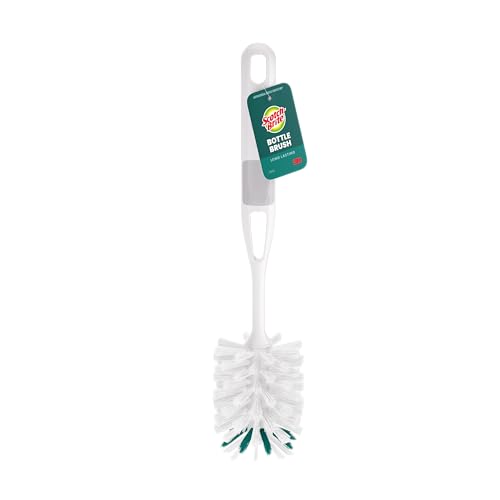
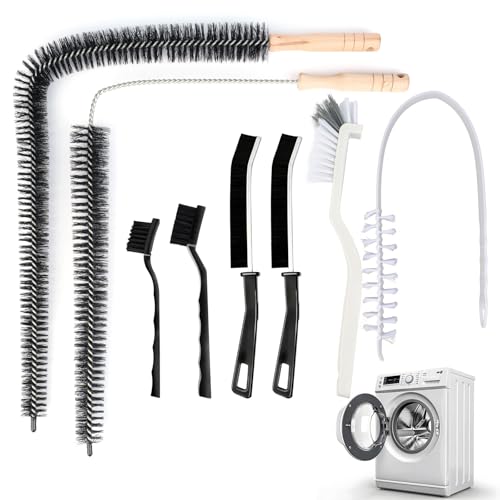
- Long-handled dishwasher rack cleaning brush
- Mildew remover spray for appliances
- Appliance cleaning kit with sponge and scrub brush

Before You Start
Clear the dishwasher of dishes and racks. Work in a well-ventilated area to minimize chemical fumes. Place a towel or newspaper beneath the dishwasher to catch drips. Test the mildew remover spray on a small, inconspicuous area first to prevent damage to plastic racks or gaskets. Expect 15–45 minutes of prep and treatment time depending on mold severity.
Step-By-Step: How To Clean Moldy Dishwasher Racks
- Turn off the dishwasher and unplug if possible for safety during cleaning.
- Remove the racks from the tub and inspect for broken welds or cracked supports; set aside any damaged parts for repair or replacement.
- Rinse the racks with warm water to loosen loose debris and mold filaments.
- Spray the mildew remover generously onto the rack surfaces, focusing on crevices, joints, and wheels.
- Let the solution sit for the time recommended on the product label, then use the long-handled brush to scrub each rack section.
- For stubborn spots, apply a second coat of cleaner and scrub with the appliance cleaning kit sponge or scrub brush until clean.
- Rinse the racks thoroughly with warm water, ensuring all cleaner residue is removed from wheels and tracks.
- Dry racks completely with a clean towel or allow them to air-dry on a clean surface before reinstalling.
- Wipe down the dishwasher interior, especially door gaskets and the crevices along the bottom, to prevent re-growth.
- Reinsert the racks and run a rinse cycle with hot water to flush any remaining residue.
- Schedule regular maintenance cleanings (monthly or every 2–3 months) to prevent mold buildup.
- Keep a habit of leaving the door ajar after cycles to improve air circulation and drying.
Troubleshooting
| Symptom | Likely Cause | Fix | Prevention |
|---|---|---|---|
| Persistent musty odor after cleaning | Hidden mold in crevices | Apply mildew remover spray and scrub again with long-handled brush | Monthly preventative cleanings |
| Racks still feel slimy | Residue from cleaner not rinsed | Rinse thoroughly; run an empty hot-water cycle | Rinse cycles after cleaning |
| Racks warped or cracked | Overly aggressive scrubbing or chemical exposure | Replace damaged parts and use gentler cleaners | Use appropriate cleaners and avoid harsh abrasives</ |
| Gasket areas look moldy | Moisture retention in tight spaces | Wipe gaskets with mildew remover; dry thoroughly | Leave door slightly ajar to aid drying |
Common Mistakes
- Using bleach on colored plastic racks, which can cause fading or damage
- Skipping thorough rinsing, leaving chemical residues behind
- Not drying racks completely before reinserting them
- Overlooking the interior dishwasher seals and wheels as mold habitats
Tips For Best Results
- Choose a mildew remover spray formulated for appliances to minimize damage to plastics and metals
- Use the long-handled brush to reach deep gaps and wheel wells safely without bending
- Alternate between warm water rinses and air drying to speed up the process
- Set a reminder for routine cleanings to prevent mold recurrence
Call A Professional
Consider professional help if mold returns despite repeated cleanings, if you notice persistent water leakage, or if dishwasher components show signs of wear or malfunction. Seek immediate assistance if you detect strong chemical odors or if gaskets are damaged and leaking.
FAQ
Can I use bleach to clean moldy dishwasher racks?
Bleach can be effective on mold but may cause discoloration or damage to certain plastics; follow manufacturer guidelines and rinse thoroughly.
How often should I clean dishwasher racks to prevent mold?
Perform a deep clean every 1–2 months, with quick checks weekly to remove standing water and food debris.
Is it safe to use a standard sponge for rack cleaning?
A sponge from an appliance cleaning kit works well for flat surfaces; use a long-handled brush for tight spots.
What signs indicate that racks need replacement?
Visible cracks, broken wheels, or significant warping compromise stability and should be replaced.
Should I run an empty cycle after cleaning?
Yes, run a hot water rinse or sanitize cycle to flush residues and dry the interior.
Buying Guide
When selecting cleaning tools and products to combat moldy dishwasher racks, consider size, compatibility, and ease of use. A long-handled dishwasher rack cleaning brush helps reach tight areas, while a dedicated mildew remover spray for appliances targets mold without harsh abrasives. An appliance cleaning kit with sponge and scrub brush provides versatile options for different rack materials. For best results, pair these tools with a reliable cleaning routine that fits your household schedule.
Key Buying Factors
- Size and reach: Choose tools with a comfortable handle length to access tight rack corners without bending.
- Effectiveness: Look for mildew removers labeled safe for appliances and plastic/rubber components.
- Ease of use: Sets that combine spray, brush, and sponge simplify the cleaning process.
- Durability: Sturdy brushes with durable bristles resist wear from cleaners and grime.
- Safety: Non-toxic or low-odor formulas reduce exposure to fumes during cleaning.
- Maintenance plan: Lightweight tools encourage regular use and prevent buildup.
Could you benefit from a quick, practical routine tailored to your dishwasher model? Consider the rack materials, how often you run cycles with heated dries, and the typical mold exposure in your kitchen. A simple kit and a trusted mildew remover can keep racks clean and odor-free with minimal effort.
Leave a Reply