How to Clean Paint Off LVP Flooring
Removing fresh or dried paint from luxury vinyl plank (LVP) floors requires care to avoid damaging the surface. This guide explains practical, store-friendly methods using common tools and gentle products designed for vinyl floors. Readers will learn safe techniques, timing, and how to finish with a spotless, protected floor.
By following step-by-step instructions and safety notes, homeowners and renters can restore their LVP without costly refinishing. The focus is on practical methods that minimize residue and prevent dulling or discoloration. All steps assume a small spill or light staining on typical residential LVP surfaces.
Quick Answer
Act quickly for fresh paint: gently blot, scrape with a plastic scraper, then use a vinyl-friendly cleaner. For dried paint, soften with vinyl-safe remover gel, then lift with a soft-bristle brush and wipe clean. Always test a small, inconspicuous area first to ensure colorfastness.
What You’ll Need
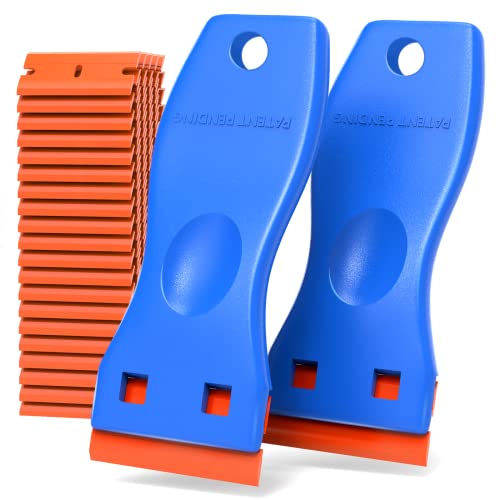
- Plastic scraper vinyl flooring paint removal
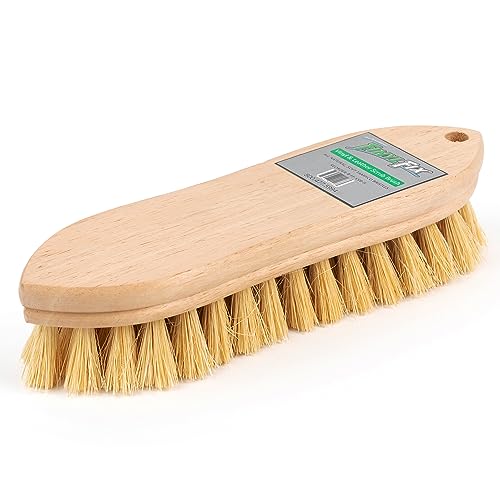
- Soft-bristle vinyl floor cleaning brush for paint spills
- Vinyl floor safe paint remover gel for LVP
- microfiber cloths or paper towels
- Mild soap or a dedicated vinyl floor cleaner
- Warm water

Before You Start
Prepare the area by removing furniture and protecting adjacent surfaces. Work in a well-ventilated space and wear gloves to prevent skin contact. Test any cleaner or remover on a hidden corner of the floor to confirm it won’t cause staining or damage. Time estimate for a small spill is 10–20 minutes; larger stains may require additional passes.
Caution: Do not use abrasive scrubbers, solvent-based cleaners not labeled for vinyl, or steam cleaning on LVP, as these can dull the surface or cause warping. Prolonged moisture should be avoided on seams and edges.
Step-By-Step: How To Clean Paint Off LVP Flooring
- Gently blot any wet paint with a microfiber cloth to remove excess without pushing it into seams.
- For fresh paint, use a plastic scraper vinyl flooring paint removal to lift the edge and roll off the paint in thin layers.
- Wipe the area with a damp cloth to remove loosened paint and residues.
- Apply a small amount of vinyl floor safe paint remover gel for LVP to a soft cloth or sponge and test on a hidden spot.
- Gently rub the stained area using a soft-bristle vinyl floor cleaning brush for paint spills until the paint softens or lifts.
- Wipe away the remover with a clean, damp cloth and dry the surface with a towel.
- If any stubborn spots remain, repeat the gel application and brushing, avoiding over-wetting.
- Finish with a mild cleaning solution and rinse to remove any residue, then dry thoroughly.
- Inspect for any shine changes; if needed, buff with a clean, dry cloth to restore uniform appearance.
- Return furniture after the floor is completely dry and monitor for any color transfer.
- For large or deeply embedded stains, consider repeating steps or consulting a professional if needed.
- Document the method used in case of future spills to guide quicker treatment.
Troubleshooting
| Symptom | Likely Cause | Fix | Prevention |
|---|---|---|---|
| Paint residue persists after cleaning | Stain is set or remover was insufficient | Reapply gel remover and brush with soft-bristle brush; rinse thoroughly | Address spills promptly; use protective mats |
| Discoloration or dull finish | Using unsuitable cleaners or over-wetting | Switch to vinyl-safe cleaner; dry completely | Test cleaners on inconspicuous area first |
| Shiny patch remains after drying | Residual cleaner or wax-like film | Clean with mild soap and water, rinse well, and dry | Avoid wax-based products on LVP |
| Seams lift slightly after cleaning | Excess moisture near seams | Dry immediately and limit water exposure | Use damp cloths, not soaking wet sponges |
Common Mistakes
- Using harsh solvents not labeled for vinyl flooring
- Scrubbing with abrasive tools that scratch the surface
- Over-wetting the floor, especially near seams
- Failing to test a cleaner on a hidden area
- Skipping a final dry wipe, leaving moisture behind
Following the right approach protects the LVP’s finish and longevity while ensuring the painted area is restored cleanly.
Tips For Best Results
- Work from the edge of the stain toward the center to prevent spreading
- Use a dedicated vinyl cleaner for the final rinse to avoid residue
- Choose a remover gel formulated specifically for LVP to reduce damage risk
- Always dry thoroughly after cleaning to prevent swelling or warping
- Keep protective mats handy in high-traffic zones to catch spills early
Call A Professional
Consider a pro if a stain covers a large area, if the paint is oil-based, or if the floor shows bubbling, discoloration, or edge lifting after attempts. Signs that warrant professional help include persistent staining despite multiple treatments, and any visible damage to the vinyl’s integrity.
FAQ
Can I use acetone to remove paint from LVP?
Avoid harsh solvents like acetone on most vinyl floors, as they can damage the finish. Use vinyl-safe remover gel and test first.
Will paint remover damage the color or pattern on patterned LVP?
Most vinyl-safe removers are formulated to minimize color loss, but always test on a small area before full application.
How long should the floor dry after cleaning?
Allow at least 1–2 hours, or longer if the area is large or was heavily wet. Ensure the surface is completely dry before reassembling furniture.
Is steam cleaning safe for LVP after paint removal?
No; steam can loosen edges and warp some vinyl floors. Stick to mild cleaners and dry methods after paint removal.
Buying Guide
When selecting tools and products for cleaning paint off LVP, consider size, noise level, energy efficiency, controls, and placement. For a home setting, a compact plastic scraper and a soft-bristle brush pair well with a vinyl floor safe paint remover gel for LVP to tackle small stains. Choose a gentle, alcohol-free cleaner for routine maintenance to protect the floor’s finish. If the area has extensive staining near doorways or in high-traffic zones, ensure the products you choose won’t leave a slippery residue or dull spots. Always verify that the remover gel is labeled safe for vinyl floors and compatible with LVP surfaces. For apartments or multi-room homes, keep a travel-ready kit with a scraper, brush, remover gel, and soft towels to manage spills quickly and effectively. Finally, consider storage: a small, organized caddy helps keep tools accessible while preventing accidental contact with finished wood or carpet edges. If there’s a need for ongoing maintenance, look for a low-odor, quick-dry option to minimize downtime between cleaning sessions.
Leave a Reply