How to Clean and Lube Motorcycle Chain
Maintaining a clean, well-lubricated motorcycle chain is essential for smooth shifting, reduced wear, and extended chain life. This guide walks through a practical, step-by-step method using a dedicated chain cleaning kit and synthetic lube. Readers will learn how to safely remove grime, apply lubricant, and avoid common mistakes that can shorten chain life.
Whether you ride a sport bike or a cruiser, keeping the chain in good condition helps optimize drivetrain efficiency and warranty compliance. The process below emphasizes safety, proper tool use, and the right type of lubricant for typical street riding conditions.
Quick Answer
For most riders: clean the chain with a dedicated chain cleaning kit, scrubber tool, and degreaser, then re-lubricate with a synthetic spray lubricant. Wipe off excess oil to prevent fling and maintain tension as needed. Inspect the chain and sprockets for wear and replace when necessary.
What You’ll Need
- Motorcycle chain cleaning kit with brush and degreaser
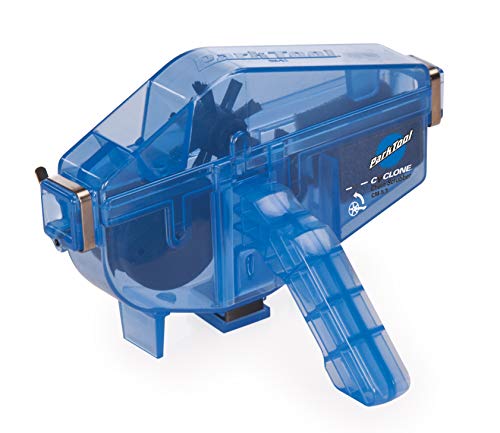
- Motorcycle chain cleaning tool chain scrubber device
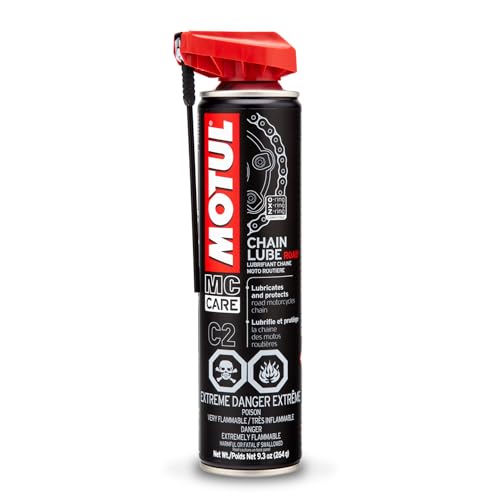
- Motorcycle chain lubricant spray synthetic 3oz

Before You Start
Prepare a well-ventilated workspace and secure the bike on a stable stand. If working on a lift, ensure tip-over protection is in place. Place absorbent mats under the chain area to catch degreaser runoff. Read your motorcycle owner’s manual for chain type and maintenance intervals. Avoid restarting the engine immediately after lubrication to let the chain air-dry slowly.
Step-By-Step: How To Clean And Lube A Motorcycle Chain
- Position the bike securely and engage the center stand or paddock stand. Ensure the rear wheel can rotate freely for cleaning and degreasing.
- Inspect the chain for visible wear, tight spots, or kinks. Note any damage that may require replacement rather than cleaning.
- Apply a liberal amount of degreaser from the chain cleaning kit onto the chain, focusing on the inner links where grime builds up.
- Use the chain scrubber device to rotate the wheel slowly and scrub the chain from the front and back sides to lift old lubricant and dirt.
- Rinse with clean water or wipe away with a clean rag if you prefer a chemical-free finish. Ensure all degreaser residue is removed from the chain.
- Dry the chain with a clean microfiber cloth and allow air drying for a few minutes to prevent moisture from mixing with the lubricant.
- Apply the synthetic chain lubricant spray in a thin, even coat across the inner links as the wheel turns. Avoid oversaturation to prevent fling-off onto brakes or tires.
- Wipe away excess lubricant from the outside of the chain to minimize dust attraction and dirt pickup during riding.
- Re-check chain tension according to the manufacturer’s specifications and adjust if necessary.
- Test-ride at a short distance to ensure the chain runs smoothly and brakes remain responsive; recheck for any signs of leakage or abnormal noise.
- After the ride, inspect the chain again for wear and ensure no residual degreaser or lubricant has accumulated on the brake components.
- Record maintenance dates and plan the next cleaning interval based on riding conditions and mileage.
Troubleshooting
| Symptom | Likely Cause | Fix | Prevention |
|---|---|---|---|
| Chain squeaks after lubricating | Insufficient lubrication or contamination | Re-clean with degreaser and re-lubricate | Use clean tools and a light, even spray |
| Excess lubricant on outside of chain | Over-application | Wipe off excess with a cloth | Apply in thin coats and wipe surface |
| Stiff or stiffened links | Moisture or old grease build-up | Careful cleaning, then re-lubricate | Regular maintenance schedule |
| Chain wear or looseness | Worn chain/sprockets | Replace chain and sprockets as a set | Follow mileage-based inspection |
Common Mistakes
- Using general-purpose cleaners that leave residue on rubber parts
- Directly spraying lubricant onto brakes or tires
- Not allowing the chain to dry before riding
- Ignoring chain slack and sprocket wear indicators
Tips For Best Results
- Always rotate the rear wheel slowly while cleaning to access all links evenly.
- Choose a synthetic lubricant designed for motorcycle chains for better film strength and wear protection.
- Clean and lubricate in a shaded, cool area to prevent rapid solvent evaporation.
- Keep a dedicated rag for chain work to avoid transferring grit elsewhere.
- Inspect for rust, corrosion, or stiff links during each maintenance session.
Call A Professional
Consider a professional if you notice significant wear, misalignment, or chain stretch beyond factory specifications. Stop-and-go riding with a damaged chain can affect the drive system, brakes, and safety. Seek service if you see torn inner links, rust that penetrates the roller surfaces, or abnormal noise that persists after cleaning and lubrication.
FAQ
How often should I clean and lube my motorcycle chain?
Depends on riding conditions, but a good baseline is every 500–1000 miles for normal street riding, and more frequent cleaning in dusty or wet environments.
Can I use regular motor oil instead of chain-specific lubricant?
Chain-specific lubricants provide better adhesion and film strength; regular motor oil can attract more dirt and wear the chain faster.
Is it safe to clean a hot chain?
Wait for the chain to cool to avoid burns or rapid evaporation of solvents.
Should I replace the chain and sprockets together?
Yes, when wear indicators show significant elongation or if both components are worn, replacing them together ensures proper meshing and longevity.
Buying Guide
Key factors influence choosing the right gear for chain maintenance:
- Size and compatibility: Confirm the kit and tools fit your motorcycle’s chain type (O-ring, X-ring, or non-sealed).
- Noise level and weight: Lube products should stay light and non-squeaky under typical riding conditions.
- Energy efficiency and performance: A high-quality lubricant reduces friction and heat, extending chain life.
- Controls and ease of use: Tools like a dedicated chain scrubber simplify cleaning and ensure even coverage.
- Placement and storage: Store degreasers and lubricants away from heat sources and heat-sensitive surfaces.
When comparing options, review how well the cleaning kit works with your bike’s chain style, whether the scrubber device accommodates your wheel size, and if the lubricant spray provides a clean, thin film that resists fling. A balanced kit that includes degreaser, a scrubber tool, and synthetic lubricant offers a complete solution for routine maintenance and longer chain life. If you ride in harsh weather or dusty roads, consider more frequent maintenance and a more robust cleaning toolset.
Leave a Reply