How to Clean Lettuce: A Practical Guide for Crisp, Fresh Greens
Cleaning lettuce thoroughly is essential to remove dirt, grit, and potential pesticides. This guide walks through a simple, effective routine using common kitchen tools to ensure your lettuce is safe and ready to eat or enjoy in salads, wraps, and sandwiches.
Quick Answer
Rinse, soak, and dry. Start with a cold rinse to remove surface debris, soak briefly in water or a produce wash, then use a salad spinner to dry completely for crisp leaves and better storage.
What You’ll Need
Gather these items to clean lettuce efficiently. The list leans on practical tools that support a quick, thorough cleaning process.
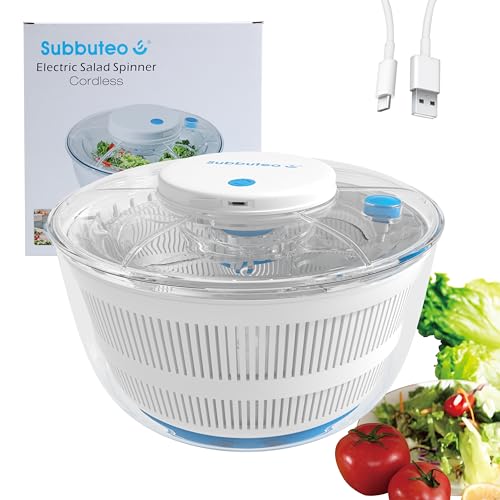
- Large capacity salad spinner with drying rack
- Vegetable washing brush for lettuce
- Produce wash basin with drain and cradling basket
- Cold running water
- Optional clean kitchen towels or parchment for pat-dry finish


Before You Start
Prepare a clean workspace and clear space in the sink. Rinse lettuce heads under cold running water to remove outer dirt, then remove any bruised leaves. If the leaves are large or curly, separate them for thorough cleaning. Safety note: avoid using hot water, which can wilt greens. Time estimate: 5–10 minutes per batch depending on quantity.
Step-By-Step: How To Clean Lettuce
- Remove the core from head lettuce and separate leaves for better access to every crease.
- Rinse under cold running water to remove exposed dirt and surface grit.
- Fill the produce wash basin with cold water and add the lettuce leaves; gently agitate to loosen dirt.
- Use the vegetable washing brush for lettuce to scrub the base of each leaf where grime tends to accumulate.
- Let the leaves soak for 1–2 minutes if using a wash basin, then lift out to drain.
- Place the leaves in the large capacity salad spinner with drying rack; spin on high for 60–90 seconds to remove moisture.
- If leaves are still damp, lay them between clean towels and pat dry; otherwise proceed to storage.
- Inspect for any remaining brown or slimy areas and remove them.
- Store in a clean, breathable container or bag with a paper towel to absorb moisture to maintain crispness.
- Rinse and dry any additional lettuce batches as needed, keeping tools clean between batches.
- Reassess moisture before use; excess moisture can dilute dressings or wilt greens quickly.
- Clean and dry tools after use to prevent residue buildup and ensure readiness for next use.
Troubleshooting
| Symptom | Likely Cause | Fix | Prevention |
|---|---|---|---|
| Leaves still dirty after rinse | Small grit in creases | Separate leaves and scrub with brush, rinse again | Separate and rinse each leaf during initial wash |
| Leaves wilt after cleaning | Warm water exposure or over-drying | Rinse with cold water, dry promptly, and chill | Always use cold water and dry promptly |
| Excess moisture in storage | Spin cycle incomplete | Spin longer or pat dry with towels | Test spin before storage and adjust time |
| Brown edges on outer leaves | Overripe or damaged leaves | Remove affected portions | Inspect and discard damaged leaves early |
Common Mistakes
- Using hot or warm water — causes wilting and uneven cleaning
- Overcrowding leaves in the basin or spinner — reduces cleaning efficiency
- Not drying thoroughly — leads to soggy storage and quicker spoilage
- Ignoring the core or dense inner leaves — grime hides there
Tips For Best Results
- Pre-wash the sink area to minimize cross-contamination from other foods
- Use a dedicated vegetable washing brush for lettuce to reach tight crevices
- Keep your salad spinner clean and dry between uses to avoid mold
- Store lettuce with a paper towel to absorb moisture and maintain crispness
- Chill cleaned leaves promptly for best texture and flavor
Call A Professional
If you notice persistent slime, strong off-odors, or unusual texture after multiple cleaning attempts, stop using the lettuce and consult a food safety professional or your local extension service for guidance. Seek professional help immediately if there is any sign of mold growth or spoilage that cannot be removed.
FAQ
Can I wash lettuce ahead of time and store it?
Yes, after thorough drying, store lettuce in a clean container with a paper towel. Consume within a few days for the best texture.
Is a produce wash basin necessary for cleaning lettuce?
No, you can rinse and scrub lettuce in cold water, but a basin can help contain dirt and make soaking easier.
How long should lettuce soak in water?
About 1–2 minutes is sufficient for most varieties to loosen surface dirt.
What should I do if I don’t have a salad spinner?
Pat leaves dry with clean towels or towels, then let air-dry for a few minutes before storing.
Are there vegetables that shouldn’t be washed with lettuce?
Leafy greens can be washed separately from root vegetables, but washing them together is fine if you use separate brushes and thorough rinsing.
Is it safe to use household dish soap for washing lettuce?
Do not use dish soap on produce. Use cold water, a dedicated produce wash, or a mild rinse with water only.
What storage options maximize lettuce freshness?
Wrap leaves in paper towels and store in a breathable container or loose bag in the crisper drawer.
Buying Guide
When choosing tools to support lettuce cleaning, consider size, capacity, and ease of use. A large capacity salad spinner with a drying rack helps remove moisture quickly without bruising leaves. A vegetable washing brush for lettuce makes it easier to scrub stubborn dirt in leaf folds. A produce wash basin with drain and cradling basket can simplify soaking and draining, especially for larger batches. Look for materials that are BPA-free and dishwasher-safe for easy cleaning. Noise level is a practical factor for morning routines, so select a spinner with a quiet motor if household quiet is important.
Beyond the tools, match your routine to your kitchen space and lettuce varieties. Leafy greens like romaine, butterhead, and loose-leaf require slightly different handling; romaine’s thicker ribs may benefit from a longer soak, while loose-leaf options dry quickly. Consider organization: designate a clean, accessible drying area and storage method to maintain freshness. Finally, assess affordability and durability to build a reliable setup that supports frequent use.
Leave a Reply