How to Clean Champagne Bronze Faucets
Champagne bronze faucets add warmth and a touch of vintage elegance to kitchens and bathrooms. Over time, water spots, fingerprints, and mineral deposits can dull their finish. This guide provides practical, safe methods to clean champagne bronze faucets without damaging the metal or patina, using common household items and selective tools from a recommended cleaning kit lineup.
Quick Answer
For sparkling, streak-free champagne bronze faucets, mix a gentle cleaning solution with warm water, wipe with a microfiber cloth, rinse, and dry thoroughly. For tougher marks, use a non-abrasive bronze faucet cleaning spray, then buff with a clean cloth. Avoid harsh acids or abrasive scrubbers.
What You’ll Need
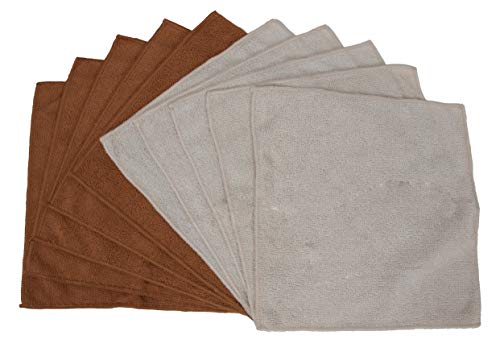
- champagne bronze faucet cleaning kit microfiber cloth
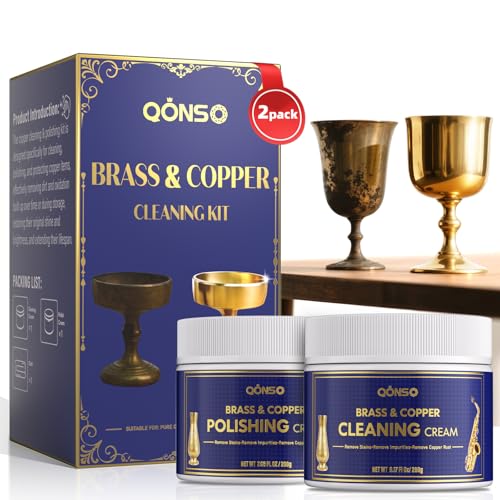
- antique bronze faucet polishing kit
- bronze faucet cleaning spray non-abrasive

Before You Start
Turn off any nearby water supply or fixtures if you plan to remove parts for deeper cleaning. Protect the surrounding countertop and sink rim with a soft mat or towel. Test any cleaner on a small, inconspicuous area first to ensure it does not alter the finish. Never use harsh abrasives, bleach, or acidic cleaners on champagne bronze finishes. Expect a typical cleaning session to take 15–30 minutes, depending on deposits and tarnish.
Step-By-Step: How To Clean Champagne Bronze Faucets
- Wipe away loose dust with a dry microfiber cloth to prevent scratching during cleaning.
- Mix a mild solution of warm water with a few drops of a gentle cleaner if needed, avoiding ammonia or highly acidic products.
- Dampen the microfiber cloth and wipe the faucet, following the grain of the finish to reduce streaks.
- If water spots or fingerprints persist, apply a small amount of bronze faucet cleaning spray non-abrasive to the cloth and lightly buff the surface.
- Rinse the cloth with clean water and wipe the faucet again to remove any residue from the cleaner.
- Dry thoroughly with a clean, dry microfiber cloth to prevent water spots and maintain a soft sheen.
- For stubborn tarnish on antique-looking bronze, use a targeted polish from the antique bronze faucet polishing kit, applying in circular motions and buffing until smooth.
- Repeat the process as needed, focusing on high-use areas like handles and spouts, then re-polish once a month to maintain luster.
- Inspect for hidden mineral buildup around aerators; gently unscrew the aerator, soak it in warm water, and reassemble.
- If you notice corrosion or pitting, discontinue aggressive cleaning and seek professional advice to avoid damaging the finish.
- Finish with a light protective wipe using a clean microfiber cloth to extend the interval before the next cleaning.
- Regular maintenance: wipe after use to minimize residue and keep champagne bronze faucets shining.
Troubleshooting
| Symptom | Likely Cause | Fix | Prevention |
|---|---|---|---|
| Streaks after cleaning | Water spots or residue | Wipe with a clean, dry microfiber cloth; dry thoroughly | Dry after each use |
| Dull finish or fingerprints resurface quickly | Insufficient polishing or protective care | Use a polish from the antique bronze collection; re-wipe with microfiber | Apply a light protective wipe periodically |
| Scratches when buffing | Rough cloth or abrasive residue | Switch to a fresh microfiber and gentle pressure | Use only non-abrasive tools |
| Discoloration near joints | Improper cleaner contact | Rinse and dry; avoid acidic cleaners | Limit cleaner exposure to joints |
Common Mistakes
- Using abrasive pads or steel wool on champagne bronze finishes
- Applying strong acids or bleach directly to the faucet
- Letting moisture sit on metal surfaces for extended periods
- Ignoring aerator buildup, which can affect water pressure and spray
Keep in mind that champagne bronze finishes are designed to age gracefully, but they benefit from gentle handling and routine care.
Tips For Best Results
- Use a dedicated microfiber cloth for metal cleaning to avoid transferring residues between surfaces.
- Schedule monthly light cleaning to prevent heavy buildup and preserve the patina.
- Test new products on a hidden area before applying broadly to avoid discoloration.
- Store cleaners out of reach of children and away from heat sources.
Call A Professional
Seek professional help if you notice deep pitting, corrosion, or discoloration that worsens despite careful cleaning. Stop using strong cleaners and avoid attempting to restore underlying metal yourself if the finish appears compromised. A licensed plumber or finish specialist can assess and advise on refinishing or replacement options.
FAQ
What is champagne bronze?
Champagne bronze is a warm, metallic finish with a subtle, champagne-like sheen that combines gold and bronze tones for a vintage look.
Can I use natural cleaners on champagne bronze?
Yes, mild natural cleaners like soapy water are generally safe; avoid acidic citrus oils or vinegar directly on the finish.
How often should I clean champagne bronze faucets?
Light cleaning weekly or biweekly can keep them looking fresh; plan a deeper clean monthly or when buildup appears.
Will cleaning affect the patina?
Gentle cleaning preserves the patina while removing surface grime; aggressive scrubbing can dull the finish over time.
Buying Guide
When shopping for products to clean champagne bronze faucets, consider these factors to optimize results and protect finishes:
- Size and fit: Choose products appropriate for the faucet size and reach; larger kits may include multiple tools and polishes for different areas.
- Noise level: Some spray cleaners can be louder; look for non-aerosol or low-noise options if noise matters in your home environment.
- Energy efficiency: Not a direct factor for cleaning, but choose water-efficient faucet accessories to complement the cleaning routine without wasting water.
- Controls and packaging: Opt for spray bottles with clear labeling and consumer-safe materials; resealable packaging helps keep products fresh.
- Placement considerations: If cleaning high or wall-mounted fixtures, consider tools that reach without stretching or climbing.
- Durability and compatibility: Verify that cleaners are labeled non-abrasive and compatible with champagne bronze finishes to prevent damage.
Multiple perspectives help—some homeowners prefer a simple microfiber-based routine, while others use a dedicated cleaning spray and polish kit. The right combination depends on faucet design, frequency of use, and the level of mineral deposits. Want a low-maintenance plan? Start with a microfiber cloth and warm water, then add a non-abrasive spray if needed. Would you like tailored recommendations for your faucet model? Share its finish and usage pattern, and this guide can adjust to fit.
Leave a Reply