How to Get Rid of Fart Odor in a Room
Foul room smells can linger long after the source is gone. Practical odor control blends quick fixes with long-lasting solutions to keep spaces fresh. This guide covers proven methods to neutralize scents using safe, science-backed products and smart air-cleaning habits.
Readers will find a concise plan to reduce moisture-related odors, trap particles, and refresh air without heavy scents or overpowering sprays. The focus is on effective, low-maintenance steps suitable for most homes and apartments.
Quick Answer
Act fast by ventilating the room, then use a combination of targeted odor absorbers and air purification. For persistent smells, pair a powerful odor eliminator with enzymatic cleaners and a portable air purifier designed for medium-sized rooms. Regularly replace or recharge filtration components to maintain performance.
What You’ll Need
- Portable air purifier for odors 200 sq ft HEPA activated carbon
- Activated charcoal deodorizer bag 2lb odor absorber room
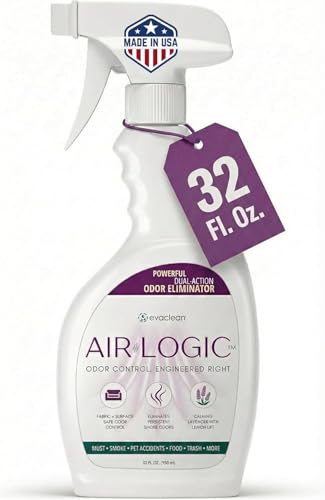
- Odor eliminator spray enzymatic cleaner room deodorizer


Before You Start
Clear the room of the affected items if possible and open windows to establish airflow. Identify the odor source and remove it or seal it away. Safety first: avoid mixing cleaners, and follow label directions for any chemical products. Plan a 30–60 minute initial treatment window for a quick refresh, then schedule regular maintenance—daily or weekly depending on usage and odor intensity.
Note that strong odors may require repeated treatments over a few days. If occupants have sensitivities or allergies, choose fragrance-free options and ensure good ventilation during treatment.
Step-By-Step: How To Get Rid Of Fart Odor In A Room
- Ventilate the space by opening windows and doors to create cross-breeze airflow, while turning on any existing ceiling or portable fans.
- Run the portable air purifier for odors at its maximum recommended mode to begin capturing particulates and gaseous compounds.
- Place the activated charcoal deodorizer bag 2lb odor absorber in a central location or near the odor source for optimal airflow exposure.
- Apply the odor eliminator spray enzymatic cleaner room deodorizer directly to fabrics or surfaces that may harbor bacteria or organic residues, following product directions.
- Wipe hard surfaces with a mild cleaning solution after spraying to remove any residual film and to speed up odor neutralization.
- Reassess after 20–30 minutes. If the smell persists, reapply enzymatic cleaner to affected areas and reposition the charcoal bag to improve coverage.
- Refresh air by running the purifier and fans for another 30–60 minutes, then remove or bag any remaining odorous items if feasible.
- Prevent recurrence by instituting a routine: air out rooms after use, keep fabrics clean, and maintain charcoal deodorizer bags in high-traffic areas.
- Schedule periodic deep cleaning of soft furnishings, carpets, and pet beds to reduce ongoing odor sources.
- Consider a room-wide test: if odors linger after 24–48 hours, repeat steps or add a second deodorizer bag in a complementary location.
- Store odor control products out of reach of children and pets when not in use and replace exhausted or spent items promptly.
Troubleshooting
| Symptom | Likely Cause | Fix | Prevention |
|---|---|---|---|
| Persistent odor after cleaning | Odor molecules embedded in fabrics | Reapply enzymatic cleaner to fabrics; run purifier longer | Regularly treat high-absorption fabrics and ventilate after use |
| Odor returns within hours | Insufficient air exchange or new odor source | Increase ventilation and reposition odor absorbers | Address source, clean surfaces, and maintain airflow |
| Overwhelming fragrance | Strong spray or concentrated emissions | Switch to milder spray and reduce frequency | Use fragrance-free options or lower spray intensity |
| Air purifier seems ineffective | Filter nearing end of life or wrong size for room | Replace filters; verify room size compatibility | Choose a purifier matched to room size and replace filters per schedule |
Common Mistakes
- Relying on a single deodorizer and neglecting airflow
- Using strong fragrances that mask odors instead of neutralizing them
- Spraying on soft furnishings without testing on fabrics
- Ignoring moisture sources that promote odor growth
Avoid these pitfalls by combining absorbers, cleaners, and cleansing routines. Small, steady improvements add up over time.
Tips For Best Results
- Place the activated charcoal deodorizer bag near the odor source for faster capture
- Run the odor eliminator spray enzymatic cleaner on porous surfaces like upholstery, curtains, and carpets
- Schedule daily quick refreshes for high-traffic rooms to prevent buildup
- Combine multiple tools: purifier, charcoal, and enzymatic cleaners for comprehensive control
- Do not spray near heat sources or open flames unless product labels permit
Call A Professional
Stop signs to seek professional help include persistent odors after a thorough home treatment, signs of mold or mildew, or if odors originate from hidden water damage. A licensed HVAC technician or odor remediation specialist can diagnose hidden moisture, microbial sources, or duct-related issues and recommend a remediation plan.
FAQ
What is the fastest way to neutralize room odor?
Ventilate, use a portable purifier, and apply an enzymatic cleaner to surfaces followed by an odor-absorbing bag.
Can activated charcoal bags affect air quality?
When placed properly, they help absorb odors and humidity without releasing pollutants.
How often should I replace odor absorbers?
Check manufacturers’ guidelines; typically every 1–3 months for bags and as needed for purifiers’ filters.
Is enzymatic cleaner safe for pets and kids?
Choose pet- and family-safe formulations and follow label directions to ensure safe use.
Should I use fragrance sprays with odor absorbers?
Prefer odor-neutralizing sprays over scented options to avoid masking smells; use fragrance sparingly if needed.
Will cleaning fabrics help long-term?
Yes, fabrics can trap odors; laundering or steam cleaning reduces re-emission.
Buying Guide
Choosing the right odor-control setup involves several factors. Consider room size, noise tolerance, and energy usage when selecting a portable air purifier for odors. For rooms around 200 sq ft, ensure the purifier’s CADR (clean air delivery rate) matches the space, and look for activated carbon filters to target volatile organic compounds and smells.
Key buying factors include:
- Size and coverage: Match purifier capacity to room square footage; larger rooms may require higher CADR or multiple units.
- Noise level: Check decibel ratings for night-friendly operation if the room is used while sleeping or relaxing.
- Energy efficiency: Look for energy-saving modes and Energy Star certification where available.
- Controls and maintenance: Simple controls, filter reminders, and easy filter replacement save time and effort.
- Placement: Position purifiers and absorbers to maximize airflow and avoid obstructing vents or doors.
When comparing options, consider how the combination of a purifier, activated charcoal deodorizer bags, and enzymatic cleaners fits into daily routines. Would you benefit from a single, all-in-one odor control device, or is a multi-tool approach better for your space?
Leave a Reply