How to Clean Dog Urine From a Couch
Dog urine on upholstery is a common household challenge that requires prompt, careful action. This guide outlines practical steps to remove stains and odors from a couch, using household tools and specialty cleaners designed for pet care. Following these methods helps preserve fabric and maintain a fresh living space for people and pets alike.
Whether you’re dealing with fresh accidents or lingering odors, the right approach combines blotting, cleaning, and moisture management to restore comfort and cleanliness to your sofa.
Quick Answer
Act quickly: blot the area to remove moisture, apply an enzyme cleaner specifically designed for pet urine on fabric, then follow with a steam or upholstery cleaning method to lift residual stains. Dry thoroughly and repeat if needed. Use light, odor-free products to avoid setting stains in darker fabrics.
What You’ll Need
- Pet urine enzyme cleaner for sofa upholstery or an enzyme-based cleaner formulated for fabric
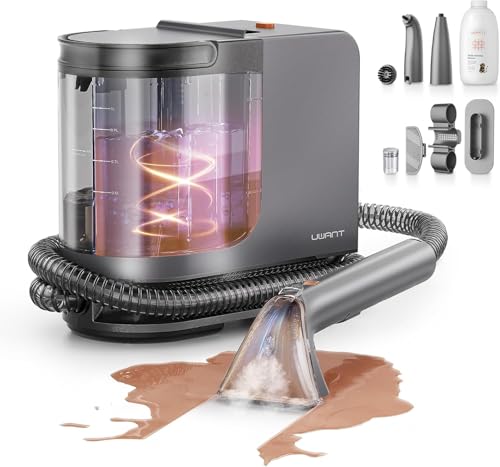
- Upholstery steam cleaner for pet stains couch (optional for deep extraction)
- Carpet cleaner machine with pet stain remover for upholstery for bulky or stubborn areas
- Clean white towels or paper towels
- Soft-bristled brush or sponge
- Plastic wrap or a clean towel for covering if needed
- Fan or hair dryer on cool setting for speeding dry time


Before You Start
Clear the area and test any cleaner on an inconspicuous spot to check colorfastness. Avoid using hot water or heat sources on fresh stains, as heat can set odors and stains. If the couch has a delicate fabric or dye migration risk, consult the care tag or a professional cleaner. Plan for several stages of cleaning and allow ample drying time between steps.
Time estimate: 30–90 minutes for initial treatment, plus several hours for full drying. For ongoing pet accidents, set aside additional sessions to prevent odor buildup.
Step-By-Step: Cleaning Dog Urine From A Couch
- Block and blot: Place a clean towel over the spot and apply gentle pressure to absorb as much liquid as possible without rubbing.
- Rinse lightly: Dampen another towel with cool water and blot to reduce residue; avoid soaking the fabric.
- Apply enzyme cleaner: Generously spray or dab a pet urine enzyme cleaner for sofa upholstery according to label directions. The enzymes break down odor-causing compounds.
- Let it sit: Allow the cleaner to dwell for the recommended time to maximize odor neutralization.
- Blot again: Remove excess moisture with clean towels, pressing firmly to lift the cleaning solution and dissolved soils.
- Deep clean (optional): If the fabric permits, follow with an upholstery steam cleaner for pet stains couch or a carpet cleaner machine with pet stain remover for upholstery to extract embedded moisture and residues.
- Rinse and repeat: If odor or stain persists, repeat the enzyme treatment and extraction steps once more.
- Dry thoroughly: Use a fan or cool hair dryer to speed drying. Ensure the area remains ventilated to prevent mildew.
- Finish with protection: Once dry, consider applying a fabric-safe odor barrier if recommended by the cleaner manufacturer.
- Monitor: Check the spot over the next few days for any renewed odor; repeat treatment if necessary.
Troubleshooting
| Symptom | Likely Cause | Fix | Prevention |
|---|---|---|---|
| Smell remains after cleaning | Insufficient enzyme activity or deep-set odor | Reapply enzyme cleaner and extend dwell time; consider deeper extraction with a steam cleaner | Treat promptly, blot thoroughly, and ensure complete drying |
| Stain reappears after drying | Moisture trapped or fabric dye bleed | Re-wet lightly with cleaner and extract again; test dye fastness | Test cleaners first; avoid over-wetting |
| Fabric stiff or changed texture | Excess cleaning solution or heat exposure | Blot more, use minimal moisture, and air dry | Follow label directions exactly |
| Stains on light fabric | Residual soils or improper rinsing | Spot-clean with a mild detergent solution and rinse thoroughly | Work from outside in toward the center to prevent spreading |
Common Mistakes To Avoid
- Scrubbing or rubbing hard, which spreads urine and damages fibers
- Using hot water or heat that sets the stain and odor
- Applying too much cleaner, which leaves residues attracting more dirt
Keep the area well-ventilated and test cleaners on a hidden fabric area before full application.
Tips For Best Results
- Act quickly after an accident to minimize penetration into the couch cushions.
- Always use enzyme-based cleaners designed for pet urine on upholstery to target organic soils.
- For large or heavily used couches, a combination of enzyme cleaner and a dedicated upholstery steam cleaner yields best odor control.
- Dry time matters: ensure complete dryness to prevent mildew; a fan accelerates this process.
- Keep pets away from the area during cleaning and drying to prevent repeat soiling.
Call A Professional
Seek professional help if any of the following occur: the stain covers a large area, the fabric is delicate or expensive, persistent odor remains despite multiple cleanings, or dye bleeds are suspected. Professionals can perform safer extraction on specialty fabrics and restore upholstery without damage.
FAQ
Can I use carpet cleaners on my couch?
Yes, a carpet cleaner machine with pet stain remover for upholstery can be effective for larger areas, but ensure the machine is suitable for your fabric type and follow the manufacturer’s instructions.
Are enzyme cleaners safe for kids and pets?
Most enzyme cleaners are formulated to be safe when used as directed; keep treated areas dry before allowing children or pets back on the sofa.
How long should the couch air dry after cleaning?
Allow several hours to overnight in a well-ventilated space, depending on fabric and humidity levels.
What if the odor returns after a day?
Repeat cleaning steps with fresh enzyme treatment and ensure thorough drying; persistent odors may require a professional assessment.
Should I use a deodorizing spray?
Deodorizers can help, but avoid products that leave strong residues or perfume on sensitive fabrics.
Is steam cleaning always necessary?
Steam cleaning is optional; it provides deeper extraction for some fabrics but may not be suitable for all textures.
Can I clean dried urine stains?
Yes, enzyme cleaners can treat dried residues, but repeat treatment may be needed for complete odor removal.
Buying Guide
When selecting tools to tackle pet-related couch stains, consider size, noise, and cleaning power. A dedicated product like a pet urine enzyme cleaner for sofa upholstery is essential for odor control, while an upholstery steam cleaner for pet stains couch can offer deep extraction for stubborn areas. For larger upholstery, a carpet cleaner machine with pet stain remover for upholstery provides versatility across rooms. Evaluate the following factors to choose the best option:
- Size and portability: Ensure the cleaner fits your living space and is easy to maneuver around furniture.
- Noise level: Quieter models reduce disruption, especially in homes with pets sensitive to sound.
- Energy efficiency: Look for efficient motors and washable filters to reduce running costs.
- Controls and ease of use: Simple spray and suction controls save time during cleanup.
- Placement and storage: Compact designs fit in cabinets or closets; consider cord length and hose reach.
- Fabric compatibility: Check care tags and fabric type compatibility to avoid dye transfer or fiber damage.
- Maintenance: Availability of replacement parts and cleaning solutions matters for long-term use.
- Odor control: Enzyme-based formulas are typically best for neutralizing urine odors at the source.
For most households, a combination approach—enzyme cleaner for targeted spots, plus a capable upholstery cleaner for broader areas—offers the best balance of effectiveness and convenience. Always follow product instructions and test on inconspicuous areas first to protect your furniture.
Leave a Reply