How to Remove Baby Hairs on Forehead
Many people notice fine hairs along the hairline and forehead, often called peach fuzz or baby hairs. With the right tools and technique, you can achieve a smoother skin surface for makeup, skincare, or a clean look. This guide covers practical methods, safety tips, and best practices tailored for American users.
Understanding the options helps you pick a method that suits your skin type and routine. The steps below focus on common, accessible approaches and incorporate products designed for facial hair removal in a gentle, controlled way.
Quick Answer
For light, short hairs on the forehead, try a gentle facial razor or electric peach fuzz remover for quick, all-over smoothing. For more precise shaping, use fine-tipped tweezers. Always start with clean skin and test a small area first to avoid irritation.
What You’ll Need
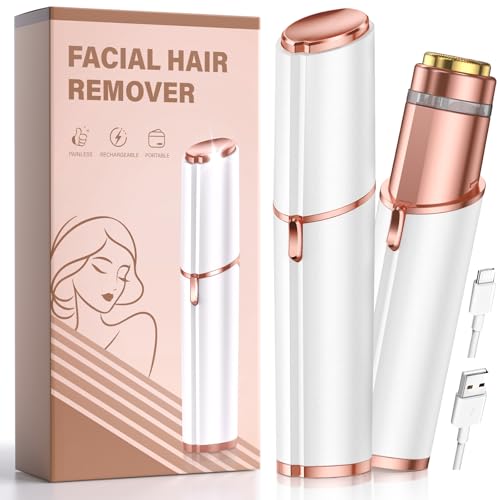
- peach fuzz remover electric facial hair remover for face forehead
- dermablade facial razor for peach fuzz on face and forehead
- precision tweezer set eyebrow facial hair removal for peach fuzz


Before You Start
Prepare a clean, dry workspace and wash your face with a mild cleanser. Gently pat dry and apply a light moisturizer if your skin feels dry. Perform a patch test 24 hours before full use to check for irritation. Avoid using harsh scrubs or chemical irritants on sensitive forehead skin.
Estimated time: 10–15 minutes for initial pass, plus touch-ups as needed. If you have active acne, rosacea, or very sensitive skin, consider consulting a dermatologist first.
Step-By-Step: How To Remove Baby Hairs On Forehead
- Shave or remove hair using a dermablade facial razor for peach fuzz on face and forehead with light, short strokes following the direction of hair growth.
- For electric removal, glide the peach fuzz remover gently over the forehead in slow, even motions, keeping the device at a comfortable angle.
- If using tweezers, pluck only the most noticeable hairs along the hairline, working in small sections to avoid irritation.
- Wipe away any residue with a clean, damp cloth and reapply a gentle moisturizer or soothing gel.
- Apply a mineral-based sunscreen if you’ll be outdoors to protect newly exposed skin.
- For best results, repeat every few days or as needed, depending on hair regrowth speed and skin sensitivity.
- Follow up with a lightweight serum or moisturizer to maintain skin hydration after removal.
- Inspect the forehead in natural light to catch any missed hairs and touch up as needed.
Troubleshooting
| Symptom | Likely Cause | Fix | Prevention |
|---|---|---|---|
| Redness after use | Sensitive skin or over-frequent removal | Pause and apply a soothing aloe gel | Space sessions; test products on a small area |
| Stinging sensation | Razor blade or tweezers contacting irritated skin | Use lighter pressure and proper angle | Avoid using on broken skin |
| Hair regrowth appears coarser | Improper technique or infrequent maintenance | Adjust method and maintain a regular schedule | Be consistent with routine |
| Skin irritation or rash | Allergic reaction to product or moisturizer | Switch to fragrance-free products | Patch test before full use |
Common Mistakes
- Removing hair too close to the brow line, causing skin irritation
- Using excessive pressure with a razor or tweezers
- Skipping sunscreen after hair removal
- Overlapping sessions without giving skin time to recover
Keeping the skin calm and moisturized between sessions reduces irritation and helps maintain a smooth appearance longer.
Tips For Best Results
- Work in the morning or after a warm shower when pores are open for easier hair removal
- Use a magnifying mirror to better see fine hairs along the forehead
- Always follow hair removal with moisturizer and sunscreen
- Alternate methods to minimize irritation, e.g., razors for broad areas and tweezers for precise hairs
- Clean tools after each use to prevent bacteria buildup
Call A Professional
Contact a professional if you notice persistent redness, swelling, or signs of infection. Seek medical advice if you have active acne or chronic irritation in the forehead area. If you have a high pain threshold but frequent sensitivity, a licensed esthetician can tailor a routine to your skin type and hair growth pattern.
FAQ
Is facial hair removal safe for all skin types?
Most people can remove peach fuzz safely with proper technique, but those with sensitive or reactive skin should patch test first and consider professional guidance.
How often should I remove baby hairs on the forehead?
Typically every few days to a week, depending on hair growth and skin sensitivity.
Can I use regular razors on the forehead?
Yes, but choose a razor designed for facial use and use short, gentle strokes to minimize irritation.
Will hair grow back thicker after removal?
No—removal methods do not change hair thickness; regrowth is usually similar to the natural cycle of the hair.
Should I shave before applying makeup?
Shaving can help makeup apply more smoothly, but ensure skin is clean and moisturized to prevent cakiness or irritation.
Are there any side effects to watch for?
Common side effects include mild redness or irritation that typically resolves within a few hours. If irritation persists, seek professional advice.
Buying Guide
When choosing a method to remove baby hairs on the forehead, consider size, noise level, and ease of use. For minimal maintenance, an electric peach fuzz remover offers quick results, while a dermablade facial razor provides precise control for shaping. A precision tweezer set is ideal for occasional targeted plucking. Look for skin-safe materials, ergonomic handles, and easy cleaning. Consider how often you plan to remove hair, your skin type, and whether you prefer a quick pass over larger areas or meticulous detailing. Balance convenience with skin comfort to achieve the best long-term results.
Leave a Reply