How to Clean Bone Marrow Efficiently
For many cooks, bone marrow is a prized ingredient that delivers rich flavor and a silky texture. Cleaning marrow properly is essential to remove any debris and ensure the final dish shines. This guide provides a practical, step-by-step approach using common kitchen tools and specialized implements to streamline the process.
Quick Answer
Gently rinse the marrow, trim any exposed bone and connective tissue, then use a dedicated bone marrow spoon and a sharp knife to scoop out and clean the marrow. Pat dry before cooking to prevent splatter and ensure even searing.
What You’ll Need
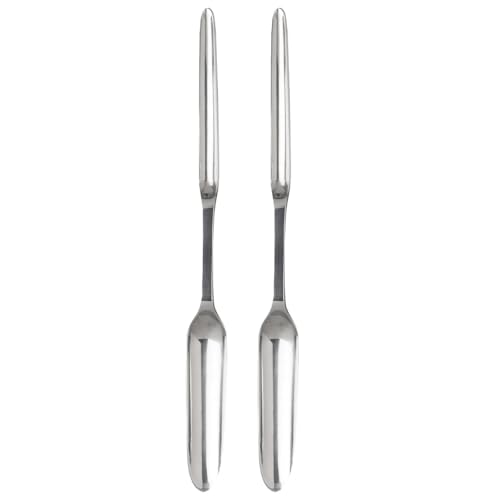
- Stainless steel bone marrow spoon
- Bone marrow scoop kitchen tool
- Bone marrow knife for cleaning and extracting
- Sharp kitchen knife
- Paper towels or clean cloth
- Cold running water
- Bowls for rinsing and drying


Before You Start
Prepare a clean workspace and have a trash bin nearby for bones and connective tissue. Always keep surfaces and utensils sanitary to minimize contamination. Time estimate: 15–30 minutes for a standard batch. Avoid cross-contamination by using separate boards or sections for raw marrow and ready-to-cook ingredients.
Step-By-Step: How To Clean Bone Marrow
- Inspect the marrow bones to identify any marrow clumps, blood, or dark residue on the exterior.
- Rinse the bones under cold running water to remove loose debris; avoid warm water which can start breaking down the marrow.
- Place the bones on a cutting board. Use a bone marrow knife for cleaning to detach any adherent bits of tissue around the marrow cavity.
- Gently scrape away the outer membrane and any connective tissue from the exposed marrow with the knife or the bone marrow spoon.
- Use the bone marrow spoon to carefully scoop out the marrow from the bone ends, keeping the marrow intact whenever possible.
- Rinse the scooped marrow briefly in cold water to remove any remaining blood or bone particles, then pat dry with paper towels.
- Trim any small bone fragments from the marrow with the knife; aim for smooth, uniform portions for even cooking.
- Spread the cleaned marrow on a tray lined with paper towels and pat dry once more before refrigerating or cooking.
- If freezing, flash-freeze in a single layer on a tray, then transfer to a sealed container for longer storage.
- Proceed to your chosen cooking method, such as roasting, broiling, or searing, after the marrow is clean and dry.
- Dispose of any waste materials promptly and sanitize the work area to prevent lingering odors or contamination.
Troubleshooting
| Symptom | Likely Cause | Fix | Prevention |
|---|---|---|---|
| Marrow clings to bone and tears | Rough bone edges or insufficient trimming | Trim edges carefully with a sharp knife; use the bone marrow knife to smooth | Inspect bones and trim prior to cleaning |
| Excess blood or dark residue | Inadequate rinsing | Rinse more thoroughly with cold water; repeat if needed | Rinse immediately after removing marrow from the bone |
| Marrow breaks apart during scooping | Marrow too warm or bones too soft | Keep bones cold; work quickly | Chill bones briefly before cleaning |
| Odor in the kitchen | Leftover blood or tissue | Properly rinse and pat dry; sanitize surfaces | Clean as you go to prevent buildup |
Common Mistakes
- Not cooling bones sufficiently before handling, causing marrow to smear
- Relying on water temperature that’s too warm, which can cook marrow prematurely
- Leaving connective tissue attached, which can impart toughness
- Using dull knives that tear the marrow instead of cleanly trimming
Tips For Best Results
- Always use cold bones; temperature control helps maintain marrow integrity.
- Take your time trimming and cleaning to prevent waste and ensure a smooth texture.
- Dry the marrow thoroughly before cooking to achieve a good sear and reduce splatter.
- For uniform cooking, cut larger pieces into consistent sizes before roasting.
- Pair with complementary flavors like parsley, garlic, or a light citrus zest to enhance the natural richness.
Call A Professional
Seek professional assistance if you notice unusual discoloration, persistent foul odor, or if the bones appear spoiled. If you’re serving to guests with specific dietary needs or allergies, consult a culinary professional for safe handling and preparation guidance.
FAQ
Is it necessary to soak bone marrow before cooking?
Soaking is optional; rinsing and drying are usually sufficient to remove surface impurities for most recipes.
Can I clean bone marrow using a blender or food processor?
No. Cleaning should be done by hand to preserve texture and avoid gritty result.
What is the best way to store cleaned marrow?
Store in an airtight container in the refrigerator for up to 2–3 days or freeze for longer storage.
Are there safety tips for preparing marrow for guests?
Ensure all surfaces and utensils are sanitized, and avoid cross-contamination with raw meat or other ingredients.
Buying Guide
When selecting bone marrow products, consider size, freshness, and the intended preparation method. For home cooks, a pair of sturdy, easy-to-handle tools improves consistency and reduces waste. Look at the following factors:
- Size and shape of bones: Larger sections may yield more marrow per piece, but smaller bones offer faster preparation.
- Material and build quality: Stainless steel tools resist corrosion and are easier to sanitize.
- Noise level and ergonomics: Comfortable handles help during longer cleanup sessions.
- Energy efficiency: Not directly applicable to cleaning tools, but efficient, durable tools reduce the need for replacements.
- Controls and storage: Tools with secure storage or blade guards improve safety in busy kitchens.
- Placement: Keep tools within reach on a stable surface or in a dedicated pull-out drawer near the prep area.
By choosing well-made bone marrow spoons, scoops, and specialized knives, home cooks can streamline cleanup and focus on delivering a premium dish. If in doubt, consider a compact starter set that covers trimming, scooping, and clean-up tasks.
Leave a Reply