How to Clean a Cedar Chest: Safe, Gentle Care for Your Heirloom
Maintaining a cedar chest involves preserving its natural oils, aroma, and surface while removing dust and grime. Proper cleaning protects the wood from drying out and helps prevent mold and odors in humid environments. This step-by-step guide provides practical methods and tools suited for most cedar chests, including heirloom pieces and newer storage trunks.
Quick Answer
Dust regularly with a soft, dry cloth. For deeper cleaning, use a cedar-safe wood cleaner spray and a microfiber cloth, followed by a light conditioning with a cedar-safe wood conditioner. Avoid soaking the wood and never use harsh chemical cleaners that can strip the cedar’s oils.
What You’ll Need
- Microfiber cleaning cloth for cedar chest
- Cedar chest wood cleaner spray
- Soft-bristle brush for cedar chest cleaning

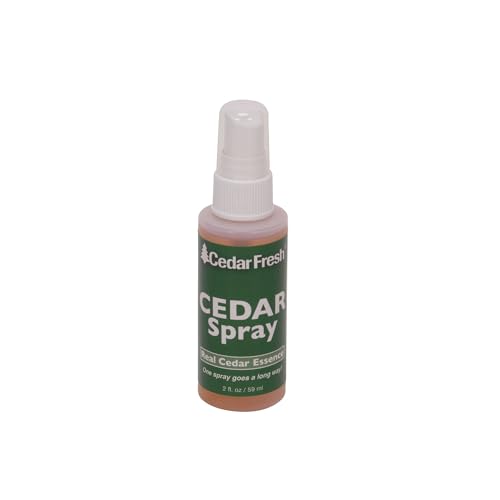

Before You Start
Inspect the chest for splits, loose joints, or signs of moisture damage. Work in a well-ventilated area and place a drop cloth to catch any drips. Test any cleaner on a hidden small area first to ensure it does not discolor the finish. For cedar chests stored in humid spaces, ensure the interior is dry before cleaning. Warning: Do not saturate the wood with liquid cleaners, and avoid ammonia- or bleach-based products that can harm the cedar’s natural oils.
Step-By-Step: How To Clean A Cedar Chest
- Remove all contents and sealable hardware, then wipe the interior with a dry microfiber cloth.
- Dust the exterior with a soft cloth in the direction of the grain to minimize scratching.
- Lightly mist a cedar chest wood cleaner spray on a microfiber cloth; never spray directly onto the wood.
- Gently wipe the surface, paying attention to corners and edges where dust accumulates.
- For stubborn grime, use a soft-bristle brush to lift dirt without deep scrubbing, then wipe away with a clean cloth.
- Dry the surface with a separate, dry microfiber cloth to remove any remaining moisture.
- If the cedar appears dry or dull, apply a cedar-safe wood conditioner in a thin, even layer following the grain.
- Let the conditioner sit for the recommended time, then buff with a clean cloth until the surface shines softly.
- Reassemble hardware and interior items, ensuring the lid is securely closed and the chest has adequate airflow to prevent moisture buildup.
- Monitor for odor or humidity changes over the next few days and repeat cleaning as needed.
Troubleshooting
| Symptom | Likely Cause | Fix | Prevention |
|---|---|---|---|
| Cloudy or streaky finish | Over-wetting or improper cloth | Use minimal cleaner on a microfiber cloth and wipe in a consistent direction | Always use a damp—not wet—cloth |
| Rough texture or flaking finish | Aggressive scrubbing or old finish | Switch to a soft brush and gentler strokes | Test cleaners first; avoid harsh abrasives |
| Musty odor after cleaning | Moist interior | Air out the chest and use a moisture-absorbing material inside | Keep in a dry, well-ventilated area |
| Discoloration after cleaner | Incompatible cleaner with finish | Stop using the product immediately and try a cedar-safe alternative | Follow label recommendations |
Common Mistakes To Avoid
- Using household cleaners that contain ammonia or bleach on cedar.
- Applying excess liquid that soaks into joints or seams.
- Scrubbing too hard, which can scratch or remove cedar oils.
- Neglecting interior moisture control, leading to mold or musty odors.
- Ignoring a clogged or dirty air space around the chest, which can trap humidity.
Tips For Best Results
- Dust frequently with a dry microfiber cloth to minimize buildup that requires deep cleaning.
- Use a cedar-safe cleaning spray that preserves the wood’s natural oils and aroma.
- Always wipe along the grain for a uniform finish and fewer scratches.
- Place the chest away from direct sunlight to prevent fading and drying of the cedar.
- Disinfect lightly if needed, but avoid harsh sanitizers that can degrade the finish.
Call A Professional
Consider contacting a professional wood finisher or furniture conservator if the chest has significant cracks, warped panels, or moisture damage. Seek expert help if there is persistent odor after cleaning, or if the interior shows signs of mold that does not improve with cleaning and airing.
FAQ
Can I use water to clean a cedar chest?
Small amounts of water on a microfiber cloth are acceptable when used carefully, but avoid soaking the wood.
Is cedar chest wood cleaner spray safe for all finishes?
Choose a cedar-safe product designed for cedar wood; always test on a hidden area first.
How often should I clean a cedar chest?
Regular dusting weekly and deeper cleaning every few months, or as needed when dust or odors accumulate.
What if the cedar chest smells musty?
Air out the chest, use moisture absorbers, and clean with cedar-safe products; persistent odor may require professional assessment.
Buying Guide
When selecting cleaning supplies for a cedar chest, consider these factors to optimize performance and protect the wood:
- Size and compatibility: Choose cleaner spray and cloths that suit the chest dimensions and finish type. Larger chests benefit from larger microfiber cloths to cover more surface.
- Noise level (for vacuums or brushes used nearby): If using tools for interior dusting, opt for quiet, low-vibration options to avoid shedding dust into the air.
- Energy efficiency: Not directly applicable to cleaning tools, but efficient, battery-powered brushes reduce activity time and energy use.
- Controls: Simple spray-and-wipe systems reduce the number of steps and risk of moisture overexposure.
- Placement: Clean in a well-ventilated area; avoid placing the chest near heat sources or humidity spikes that could damage the wood.
- Material compatibility: Use products labeled for cedar and wood finishes to protect oils and aroma.
- Durability: Invest in a soft-bristle brush and high-quality microfiber cloths that resist shedding and last through many cleanings.
- Maintenance plan: Establish a routine that includes casual dusting and periodic deep cleaning to extend the life of the cedar.
With the right tools and careful technique, a cedar chest can maintain its beauty and aroma for years. Are you ready to restore warmth to your cedar while protecting its natural oils?
Leave a Reply